

Are Campus Bus Services Free for All Students?
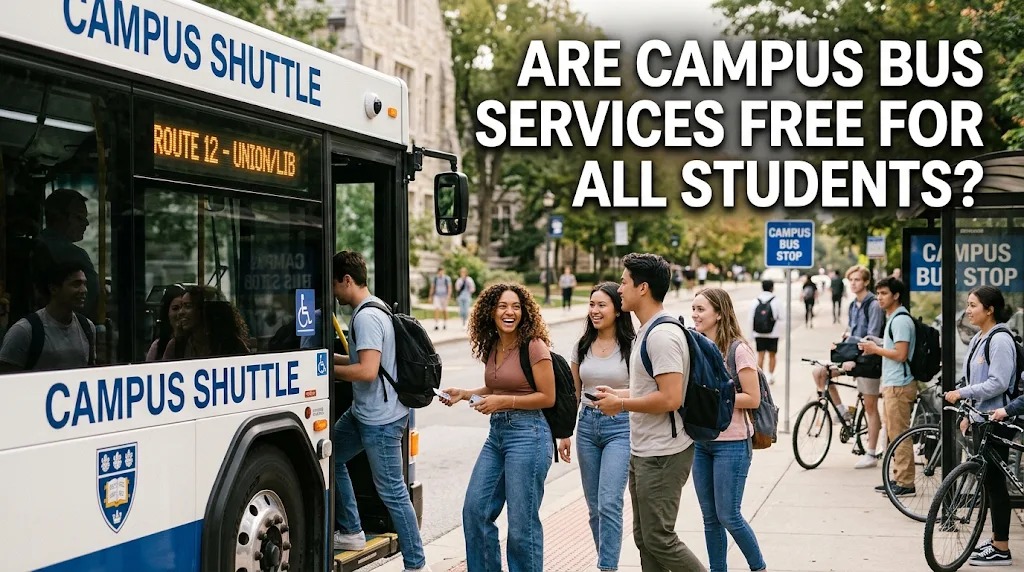
Campus bus services are an important transportation facility provided by many universities to help students travel between different campus locations. These services make it easier to reach classrooms, libraries, laboratories, dormitories, and other university facilities. However, one common question among students is whether campus bus services are free for everyone or require a transportation fee.
The answer depends on each university's transportation policies, operating budget, and service management. Some universities provide free campus buses for all registered students, while others apply certain fees or requirements. Understanding how campus bus payment systems work can help students prepare for transportation expenses and use the service properly.
CAMPUS BUS SERVICES ARE NOT ALWAYS FREE
Campus bus services are not necessarily free for all students because every university has different transportation policies. Some institutions provide free transportation as part of their student facilities, while others charge affordable fares to support daily operations. These differences may depend on the university's financial resources, campus size, transportation needs, and available vehicles.
Universities that offer free campus buses usually consider transportation an important part of student support. The service helps students access academic facilities without worrying about additional travel expenses. However, free transportation does not always mean unlimited access because some institutions may apply specific routes, schedules, or eligibility requirements. Students should check official campus transportation information to understand the applicable rules.
WHY SOME UNIVERSITIES PROVIDE FREE CAMPUS TRANSPORTATION
One reason universities provide free campus transportation is to make academic facilities more accessible. Large campuses often have buildings located far apart, making it difficult for students to travel on foot between classes. Free buses help reduce these difficulties and allow students to reach different locations more conveniently. This support can be especially useful for students who have several academic activities throughout the day.
Free campus buses can also help reduce students' financial burdens. Transportation expenses may become a significant concern for students who need to travel regularly. By providing free services, universities can help students allocate their money to educational materials, meals, and other essential needs. In addition, shared transportation can reduce the number of private vehicles entering campus areas and support more sustainable mobility.
FACTORS THAT DETERMINE CAMPUS BUS FEES
Several factors influence whether a university provides free or paid campus bus services. One important factor is the transportation operating budget, which includes fuel, vehicle maintenance, driver salaries, insurance, and other operational expenses. Universities with sufficient financial support may be able to cover these costs without charging students. Meanwhile, institutions with limited budgets may introduce affordable fares to maintain service quality.
Campus size and transportation demand can also influence pricing policies. Universities with extensive areas may require more buses, longer routes, and additional operating hours. These requirements can increase transportation expenses and affect how services are funded. Some universities may also receive financial support from government programs, private partners, or other institutional sources to reduce the costs paid by students.
STUDENT ELIGIBILITY AND TRANSPORTATION REQUIREMENTS
Even when campus bus services are free, students may need to meet certain eligibility requirements. Some universities only allow registered students to use the service, while others also provide access to lecturers, employees, and authorized visitors. Student identification cards may be required when boarding to verify eligibility. These rules help universities manage passenger access and prevent unauthorized use of transportation facilities.
Some institutions also use digital registration systems or transportation applications to manage passenger information. Students may need to register before using particular routes or show a digital identification card when entering the bus. In addition, universities can establish passenger limits, designated stops, and operating schedules to maintain an organized service. Therefore, students should understand the requirements before relying on campus transportation for their daily activities.
HOW TO CHECK WHETHER CAMPUS BUS SERVICES ARE FREE
Students can find out whether campus bus services are free by checking the transportation information provided by their universities. Official student handbooks, campus information centers, and transportation service offices are useful sources of information. Students can also ask university administrative staff about fares, eligibility, operating schedules, and available routes. This helps prevent misunderstandings about transportation costs.
Before using the service regularly, students should also check whether free transportation applies to all routes and operating hours. Some universities may provide free services only within specific campus areas or during certain periods. Others may offer free transportation for registered students but charge additional fees for special routes or services. Understanding these details allows students to plan their journeys and manage their transportation needs more effectively.
CONCLUSION
Campus bus services are not always free for all students because transportation policies vary between universities. Some institutions provide free transportation as part of their student facilities, while others charge affordable fares to cover operational expenses. Factors such as university budgets, campus size, transportation demand, and service management influence these decisions.
Students should check their university's transportation policies to understand applicable fees, eligibility requirements, and operating schedules. By knowing these details, they can use campus buses more effectively and avoid unexpected transportation expenses. Regardless of the payment system, well-managed campus bus services can support student mobility and create a more convenient university environment.
Recent Posts

Bagaimana Sistem SKS pada Program Kuliah... 22.11.2026/31 View

How Does Technology Make Daily Evaluation... 21.11.2026/67 View

Apa Strategi Menghadapi Kesenjangan antara Kompetensi... 21.11.2026/66 View

Mengapa Inventaris Aset Penting bagi Kelancaran... 21.11.2026/64 View

When Should Musicians Join a Record... 21.11.2026/65 View
