

Are Digital Academic Transcripts as Valid as Printed Documents?
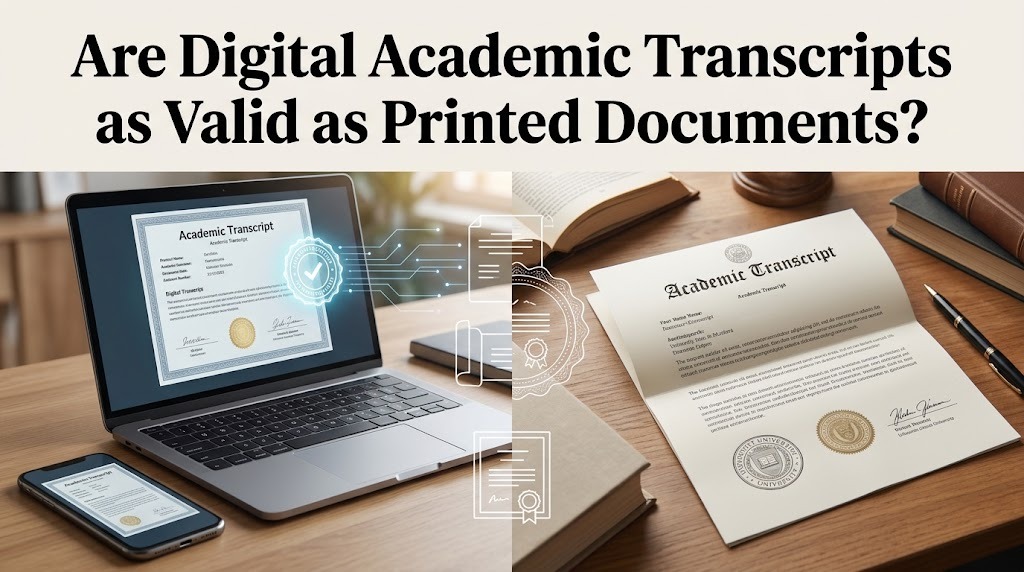
The development of digital technology has changed how universities manage and distribute academic documents. One example is the digital academic transcript, which allows students and graduates to access their educational records electronically without always needing printed copies. Many universities now provide digital transcripts to make administrative services faster, more efficient, and easier to access. However, students and employers may still question whether electronic documents have the same legal and administrative validity as traditional printed transcripts. Understanding the differences between these two formats can help students use their academic documents correctly.
UNDERSTANDING WHAT A DIGITAL ACADEMIC TRANSCRIPT IS
A digital academic transcript is an electronic document issued by a university that contains a student's official academic records. It generally includes personal information, course names, grades, credit units, and Grade Point Average (GPA). The information is similar to what appears in a traditional printed transcript, but the document is created, stored, and distributed electronically.
Universities may provide digital transcripts through student information systems, official university portals, or secure document platforms. Some institutions also use digital signatures, QR codes, and verification numbers to confirm document authenticity. These features help universities manage academic records more efficiently while allowing students to access their educational information from different locations.
THE VALIDITY OF DIGITAL ACADEMIC TRANSCRIPTS
Digital academic transcripts can have the same official validity as printed documents when they are properly issued and authenticated by the educational institution. Their validity depends on applicable laws, institutional policies, and the authentication methods used to protect the documents. Therefore, an electronic transcript should not automatically be considered unofficial simply because it does not exist in printed form.
In Indonesia, electronic documents and electronic signatures are recognized under applicable electronic information and transaction regulations, provided that the relevant legal requirements are fulfilled. However, acceptance may depend on the requirements of the institution or organization receiving the document. Students should ensure that their digital transcripts come directly from official university systems and contain the necessary authentication features.
DIFFERENCES BETWEEN DIGITAL AND PRINTED ACADEMIC TRANSCRIPTS
The main difference between digital and printed academic transcripts is their format and method of distribution. Digital transcripts are stored electronically and can be accessed through authorized platforms, while printed transcripts are physical documents issued by the university. Both formats can contain the same academic information and serve as official records when properly issued.
Another difference involves document verification and storage. Digital transcripts may include verification links, QR codes, or electronic signatures that allow authorized parties to check their authenticity. Printed documents may rely on official stamps, signatures, security paper, or other physical authentication features. Although both formats have advantages, students should understand the specific document requirements before submitting either version.
ADVANTAGES OF USING DIGITAL ACADEMIC TRANSCRIPTS
One major advantage of digital academic transcripts is their accessibility and convenience. Students and graduates can obtain their academic records without always visiting the university administration office. This is particularly helpful for individuals who live far from campus or need documents quickly for job applications and further education.
Digital transcripts can also reduce administrative costs and paper consumption. Universities can distribute documents electronically, making the process more efficient for both students and administrative staff. In addition, electronic storage makes it easier to maintain backup copies and retrieve academic information when needed. These benefits support more modern and environmentally responsible educational administration.
LIMITATIONS AND SECURITY RISKS OF DIGITAL TRANSCRIPTS
Despite their advantages, digital academic transcripts also have several limitations. One common challenge is the risk of unauthorized access, document manipulation, or misuse of personal information. If electronic files are not protected properly, individuals may attempt to modify academic results or distribute documents without permission.
Technical problems can also affect access to digital transcripts. For example, university servers may experience interruptions, verification websites may become temporarily unavailable, or users may have difficulty accessing their accounts. Therefore, universities need reliable information systems and strong security measures to protect academic records. Students should also download documents only from official university platforms and avoid sharing sensitive academic information through unsecured channels.
HOW STUDENTS CAN ENSURE THEIR DIGITAL TRANSCRIPTS ARE ACCEPTED
Students should first check whether the university officially recognizes the digital transcript as a valid academic document. They can contact the academic administration office or consult the institution's official website to understand the applicable procedures. This step is important because different universities may use different authentication systems and document distribution policies.
Before submitting a digital transcript, students should also review its contents and ensure that the document includes the required verification features. If an employer, scholarship provider, or another university requests a printed version, students should follow the specific instructions provided by that organization. Keeping both digital and printed copies when available can provide greater flexibility. By understanding document requirements and using official academic records, students can avoid unnecessary administrative difficulties.
CONCLUSION
Digital academic transcripts can be as valid as printed documents when they are officially issued and meet the applicable authentication and legal requirements. Both formats provide important information about students' academic achievements, although they differ in storage, distribution, and verification methods. Digital transcripts offer convenience, accessibility, and efficient administration, while printed documents remain useful for organizations that require physical copies. Students should always check the acceptance requirements of the receiving institution and obtain transcripts through official university channels. Understanding these differences helps students use their academic documents confidently and appropriately.
Recent Posts

Bagaimana Sistem SKS pada Program Kuliah... 22.11.2026/40 View

How Does Technology Make Daily Evaluation... 21.11.2026/71 View

Apa Strategi Menghadapi Kesenjangan antara Kompetensi... 21.11.2026/73 View

Mengapa Inventaris Aset Penting bagi Kelancaran... 21.11.2026/69 View

When Should Musicians Join a Record... 21.11.2026/73 View
