

Are Flag Ceremonies Still Relevant for Building Character Among Generation Z?
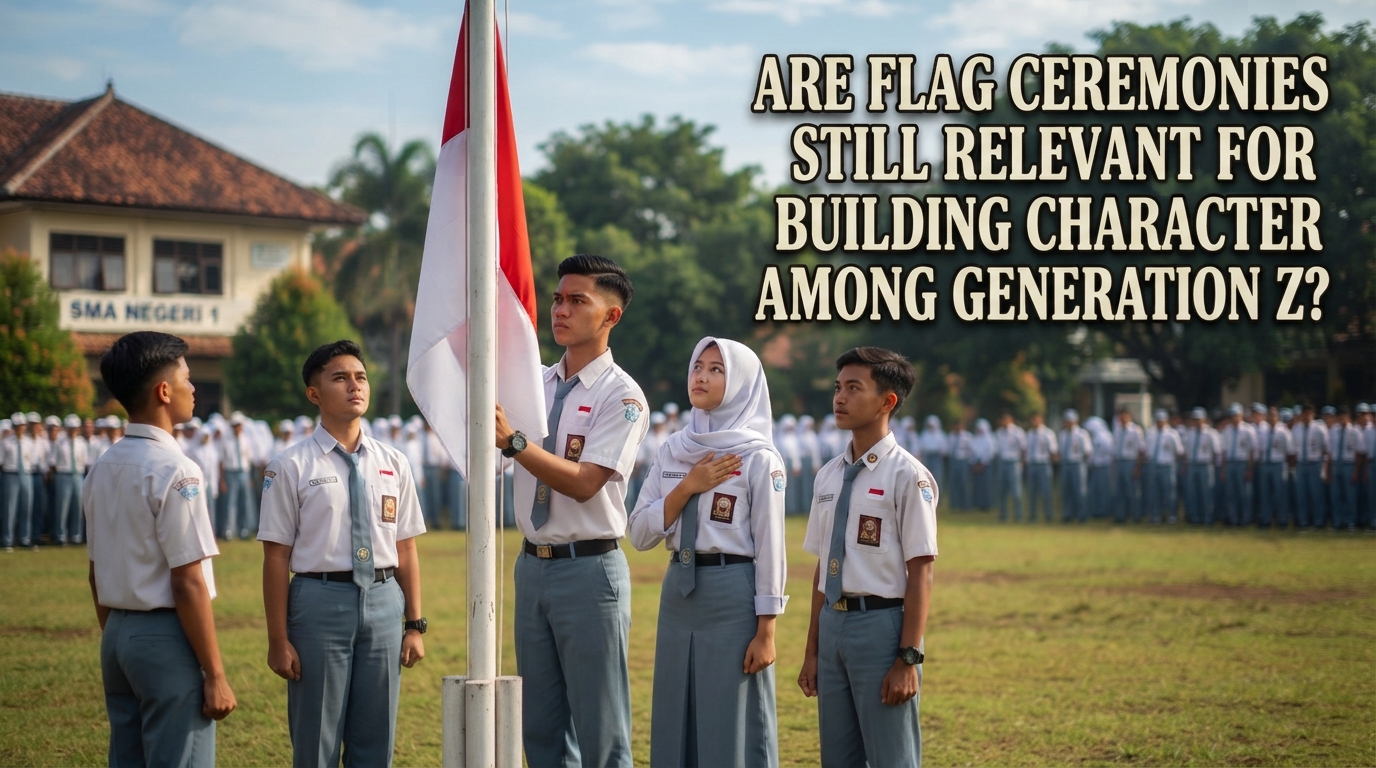
Flag ceremonies remain relevant for building character among Generation Z, even though young people today live in a modern and technology-driven environment. Generation Z is generally familiar with smartphones, social media, digital communication, and rapid changes in information. These developments influence how they learn, communicate, and interact with others. However, character values such as discipline, responsibility, respect, nationalism, and cooperation are still essential for their personal development.
In Indonesian schools, flag ceremonies are more than formal activities conducted every Monday morning. They provide opportunities for students to practice positive behavior, understand national values, and develop a sense of responsibility toward their communities. When organized meaningfully, these activities can connect traditional educational values with the needs and experiences of younger generations.
THE IMPORTANCE OF FLAG CEREMONIES IN THE MODERN ERA
Flag ceremonies continue to have an important role in education because character development is necessary in every generation. Although technology makes information easier to access, it does not automatically teach young people how to become responsible, respectful, and disciplined individuals. Students still need opportunities to practice these values through real activities and social interactions.
During flag ceremonies, students learn to follow instructions, respect the national anthem, maintain order, and participate in organized activities. These simple experiences can develop positive habits that are useful both inside and outside school. Therefore, flag ceremonies remain valuable as a supporting activity in character education, especially when students understand the meaning behind each activity.
HOW FLAG CEREMONIES DEVELOP CHARACTER AMONG GENERATION Z
One of the main benefits of flag ceremonies is their ability to introduce discipline and responsibility through direct participation. Students are expected to arrive on time, wear appropriate uniforms, follow the ceremony procedures, and complete their assigned duties. These responsibilities teach them that successful activities require preparation, commitment, and cooperation.
Flag ceremonies also encourage leadership and teamwork among students. Those who become ceremony leaders, flag raisers, or organizing committee members have opportunities to develop confidence and communication skills. Meanwhile, other participants learn to respect the roles of their classmates and work together toward a common purpose. These experiences can help Generation Z develop important social skills for their future education and careers.
BUILDING NATIONALISM AND RESPECT FOR INDONESIAN CULTURE
Generation Z grows up in a world where international trends, digital entertainment, and global communication are part of everyday life. Although these developments provide valuable opportunities, young people also need to understand their national identity and cultural heritage. Flag ceremonies can introduce them to the meaning of nationalism, independence, and unity through familiar national symbols.
Singing Indonesia Raya, observing the raising of the Red and White flag, and listening to messages about national history can strengthen students' appreciation of Indonesia. These activities remind them that the country's independence was achieved through the sacrifices and struggles of previous generations. Nationalism should not only be expressed through ceremonial participation but also through respecting cultural differences, protecting national unity, and contributing positively to society.
THE CHALLENGES OF MAKING FLAG CEREMONIES INTERESTING FOR GENERATION Z
Despite their educational benefits, flag ceremonies sometimes face challenges in attracting the attention of modern students. Some students may consider them repetitive, boring, or disconnected from their everyday experiences. Long speeches, limited student involvement, and activities that focus only on formal procedures can reduce their interest and understanding.
Another challenge is the influence of digital habits and short-form online content, which can affect how young people respond to information and traditional activities. Schools need to recognize these changes without abandoning the important values of flag ceremonies. By understanding students' interests and communication styles, educators can create more meaningful activities that encourage active participation rather than simply requiring students to attend.
WAYS SCHOOLS CAN MAKE FLAG CEREMONIES MORE MEANINGFUL
Schools can make flag ceremonies more engaging by connecting their messages with situations that Generation Z experiences in daily life. For example, ceremony supervisors can discuss digital responsibility, cyberbullying, environmental awareness, academic honesty, and respect for different opinions. These topics help students understand that national values are closely related to their behavior in both physical and digital environments.
Another effective approach is to provide students with opportunities to participate in planning and organizing ceremonies. Schools can rotate student responsibilities, introduce creative presentations, and deliver short motivational messages related to character development. However, these innovations should maintain the formal structure and respect required during the ceremony. With meaningful participation, students can see flag ceremonies as opportunities to learn rather than activities they must attend without understanding their purpose.
THE ROLE OF TEACHERS AND PARENTS IN CHARACTER DEVELOPMENT
Teachers play an important role in ensuring that flag ceremonies provide meaningful educational experiences. They should explain the values behind each activity and demonstrate positive behavior through their own actions. For example, teachers who arrive on time, respect the ceremony procedures, and communicate politely can become examples that students can follow.
Parents also contribute to character development by reinforcing the values introduced at school. They can encourage children to practice discipline, responsibility, respect, and appreciation for their country in everyday family activities. When schools and families work together, the lessons from flag ceremonies can become positive habits that continue beyond the school environment.
CONCLUSION
Flag ceremonies are still relevant for building character among Generation Z because technological progress does not eliminate the importance of moral values and social responsibility. Through regular participation, students can develop discipline, leadership, cooperation, nationalism, and respect while gaining a better understanding of their identity as Indonesian citizens.
However, schools need to make these activities more meaningful by connecting traditional values with modern challenges and students' everyday experiences. With support from teachers, parents, and educational institutions, flag ceremonies can remain an effective supporting activity in character education. Ultimately, their success should not be measured only by how regularly students attend but also by how well they apply the values they learn in their daily lives.
Recent Posts

How Does Technology Make Daily Evaluation... 21.11.2026/58 View

Apa Strategi Menghadapi Kesenjangan antara Kompetensi... 21.11.2026/60 View

Mengapa Inventaris Aset Penting bagi Kelancaran... 21.11.2026/56 View

When Should Musicians Join a Record... 21.11.2026/55 View

Daily Evaluation or Daily Planning Which... 21.11.2026/63 View
