

Are Schools Fully Prepared For The National Assessment Implementation?
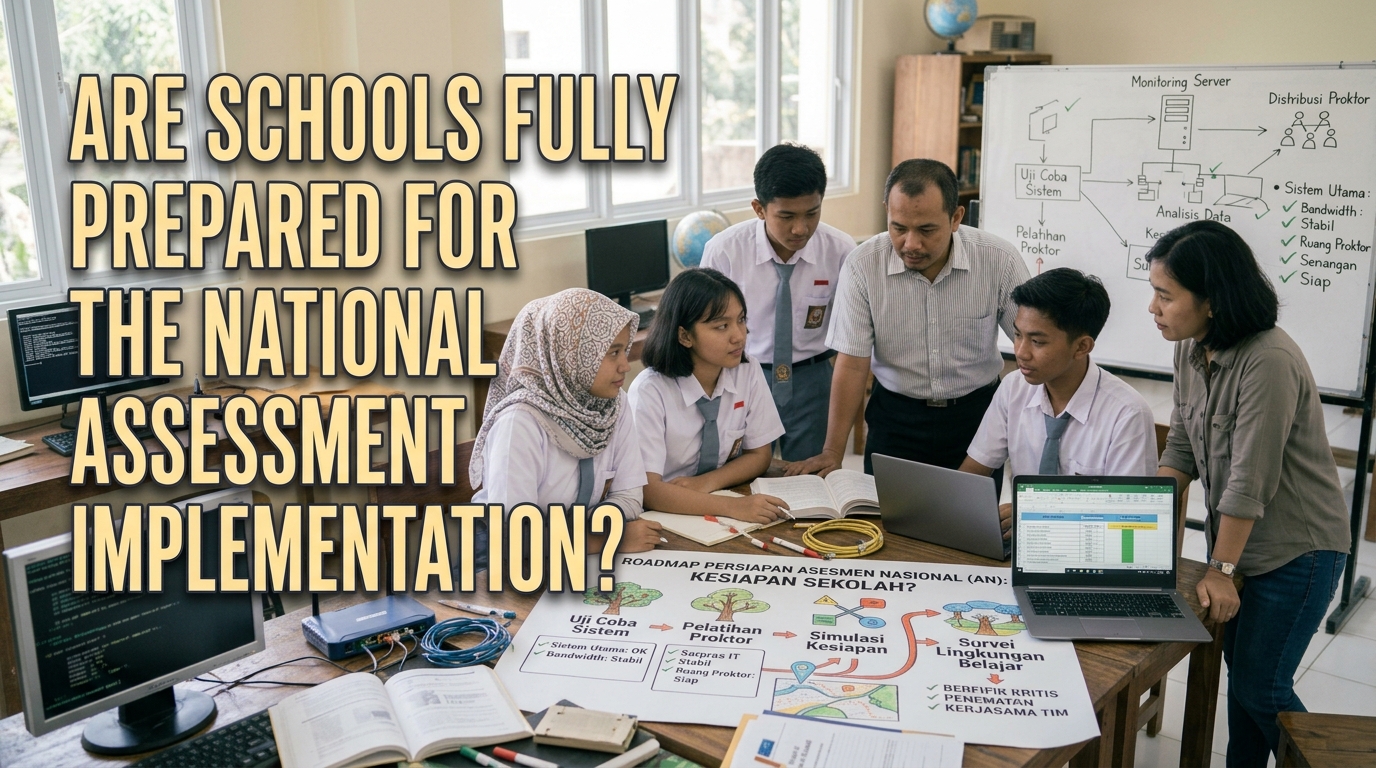
As education systems worldwide continue to evolve, standardized testing remains a pivotal tool for measuring academic progress and institutional accountability. The introduction of standardized evaluations often sparks intense debate regarding whether educational institutions possess the necessary capacity for smooth execution. Are schools fully prepared for the national assessment implementation? This critical question concerns educators, parents, and policymakers alike as they carefully evaluate the logistical, financial, and pedagogical demands of large-scale national testing programs.
INFRASTRUCTURE AND TECHNOLOGY READINESS
The swift transition toward digital-based testing has exposed significant technological disparities between urban and rural institutions. Many schools continuously struggle with reliable internet connectivity and outdated computer hardware necessary to host synchronized national exams. Furthermore, maintaining a steady and stable power supply remains a persistent hurdle in remote regions, directly threatening the continuity of the testing process.
Without comprehensive hardware upgrades and robust technical support, overall institutional capacity is heavily strained. Educational facilities frequently lack dedicated IT personnel to troubleshoot system crashes or network failures during high-stakes exam periods. Consequently, investing in modernized digital infrastructure stands as an urgent priority before any full-scale national implementation can truly succeed.
TEACHER PREPARATION AND PROFESSIONAL TRAINING
Preparing educators to effectively guide students through modern assessment formats requires comprehensive professional development programs. Teachers must rapidly adapt to evolving curriculum frameworks that emphasize critical thinking and problem-solving over rote memorization. However, numerous educators report receiving insufficient training and limited resources to successfully transition their day-to-day teaching methodologies.
Heavy administrative burdens further complicate overall teacher preparedness, leaving minimal time for personalized student support or targeted remediation. Educational leaders must prioritize continuous workshops and peer-mentoring initiatives to bridge this persistent knowledge gap. Empowering teachers directly influences how clearly students understand and navigate these complex evaluation standards.
STUDENT ANXIETY AND PREPARATION STRATEGIES
High-stakes testing frequently triggers heightened test anxiety among students who feel overwhelmed by immense academic expectations. Schools must actively foster supportive learning environments that prioritize mental well-being alongside traditional academic achievement. Adequate preparation extends far beyond routine academic tutoring to include psychological resilience and structured stress management strategies.
When students understand the true purpose of national evaluations as learning tools rather than punitive measures, their overall engagement dramatically improves. Mock examinations and interactive practice sessions help familiarize learners with the exam interface and complex question formats. Ultimately, reducing test-related stress ensures that final scores reflect authentic academic potential rather than panic.
BUDGETARY CONSTRAINTS AND RESOURCE ALLOCATION
Successful execution of nationwide testing depends heavily on transparent and adequate financial allocation from government bodies. Many educational districts face severe budget cuts that restrict their ability to purchase necessary software licenses and security protocols. Without sufficient funding, schools are left with substandard tools that compromise the integrity of qualitative evaluation environments.
Policymakers must ensure that monetary resources are distributed equitably among disadvantaged and affluent communities alike. Transparent auditing and dedicated grants can alleviate the financial pressures experienced by underfunded school districts. Resolving these monetary challenges is foundational to achieving a fair and standardized testing ecosystem.
CONCLUSION
In summary, while national assessments offer valuable insights into educational quality, institutional readiness remains uneven across various regions. Addressing severe infrastructural gaps, enhancing teacher training programs, and supporting student mental health are vital steps for successful execution. Only through coordinated and collaborative efforts among policymakers, schools, and local communities can these evaluations achieve their intended educational goals.
Moving forward, continuous monitoring and adaptive policy reforms will be necessary to address emerging challenges in the assessment landscape. Educational stakeholders must remain committed to bridging the gap between ambitious policy mandates and practical classroom realities. Ensuring a well-prepared system ultimately benefits every student striving for academic excellence.
Recent Posts

Bagaimana Sistem SKS pada Program Kuliah... 22.11.2026/54 View

How Does Technology Make Daily Evaluation... 21.11.2026/83 View

Apa Strategi Menghadapi Kesenjangan antara Kompetensi... 21.11.2026/81 View

Mengapa Inventaris Aset Penting bagi Kelancaran... 21.11.2026/78 View

When Should Musicians Join a Record... 21.11.2026/82 View
