

Can Joining the Student Senate Improve Career Opportunities After Graduation?
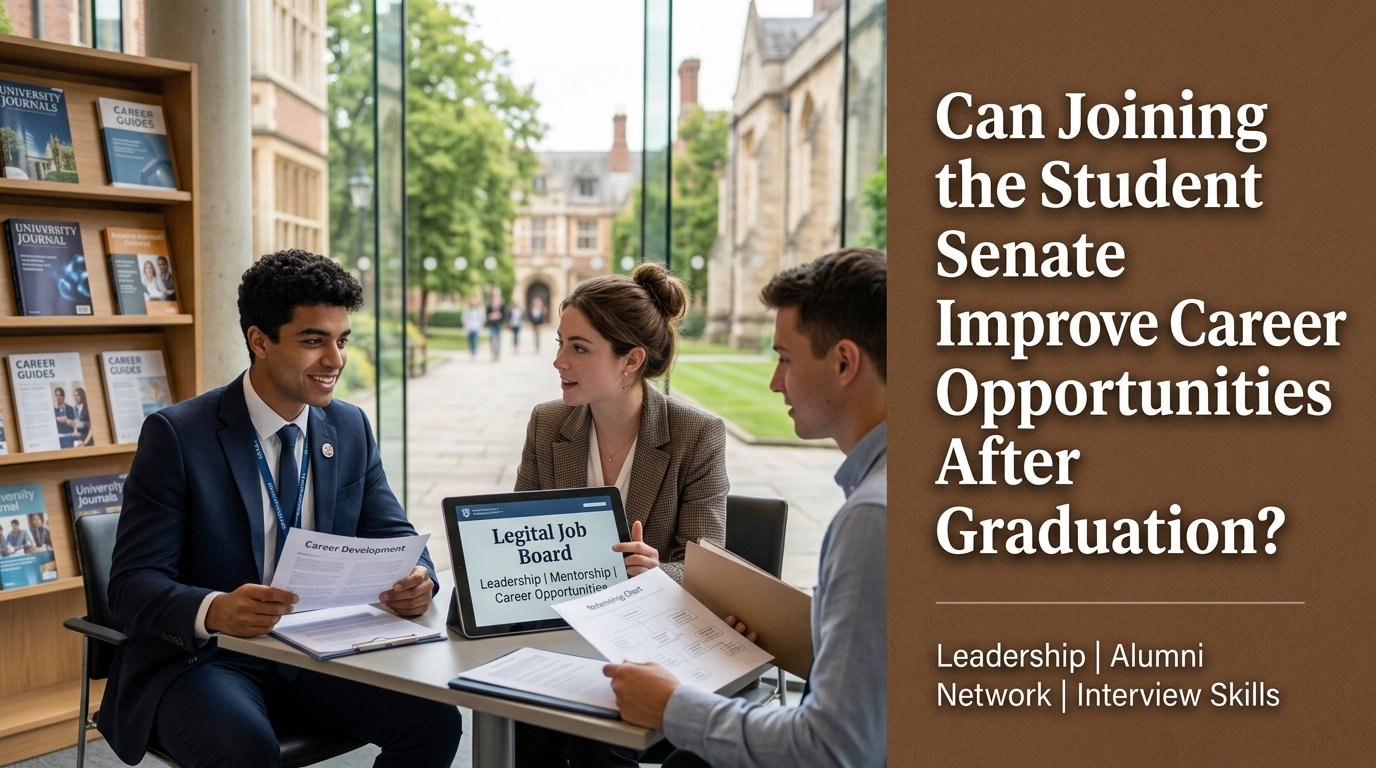
Joining the student senate can offer more than an opportunity to represent fellow students and participate in university activities. It can also help students develop valuable skills that are useful when entering the professional world. Through discussions, organizational activities, and decision-making processes, student senate members gain practical experience that may strengthen their career prospects after graduation.
Many employers look for graduates who have not only academic knowledge but also communication skills, leadership abilities, teamwork, and problem-solving skills. These qualities can be developed through active involvement in student organizations, including the student senate. Although joining the student senate does not guarantee employment, the experience can provide a meaningful advantage when applying for jobs and building a professional career.
HOW DOES THE STUDENT SENATE DEVELOP LEADERSHIP SKILLS?
The student senate provides opportunities for students to practice leadership in a real organizational environment. Members may coordinate programs, lead discussions, manage teams, and represent student interests during meetings with university administrators. These responsibilities teach students how to guide others, organize activities, and make decisions while considering different opinions.
Leadership experience is valuable in many professional fields because employees often need to take responsibility, manage projects, and work toward shared goals. By handling organizational responsibilities, student senate members can learn how to remain accountable and make thoughtful decisions. These experiences can also help graduates become more confident when applying for positions that require initiative and leadership potential.
CAN STUDENT SENATE EXPERIENCE IMPROVE COMMUNICATION SKILLS?
Effective communication is an essential skill in almost every workplace. Student senate members regularly interact with fellow students, lecturers, university staff, and other organizational representatives. They may need to present proposals, explain student concerns, participate in formal meetings, and communicate decisions clearly.
These activities help students improve their public speaking, active listening, negotiation, and professional communication skills. Members also learn how to express ideas respectfully, respond to questions, and handle different perspectives. Such abilities can be useful during job interviews, workplace presentations, team discussions, and professional negotiations.
HOW DOES THE STUDENT SENATE STRENGTHEN TEAMWORK AND COLLABORATION?
Most professional environments require employees to work with people who have different personalities, backgrounds, and responsibilities. The student senate gives members opportunities to collaborate on programs, discuss organizational priorities, and complete shared responsibilities. Through these activities, students learn how to divide tasks, coordinate schedules, and support one another.
Teamwork and collaboration are important qualities that employers often consider when evaluating job candidates. Student senate members also gain experience resolving disagreements and finding solutions that benefit the group. Learning to cooperate with different people can help graduates adjust more easily to workplace environments and contribute positively to professional teams.
CAN ORGANIZATIONAL EXPERIENCE MAKE A RESUME MORE ATTRACTIVE?
Active involvement in the student senate can make a resume more informative because it demonstrates experience beyond academic achievements. Students can include their organizational positions, responsibilities, projects, and measurable contributions in the experience section of their resumes. This information helps employers understand how candidates have applied their knowledge and skills in practical situations.
However, simply listing a student senate position is not enough to demonstrate professional value. Graduates should explain what responsibilities they handled, which challenges they faced, and what results they achieved. For example, organizing a student consultation program or coordinating a university event can demonstrate project management, communication, and problem-solving abilities. A resume supported by specific achievements can help candidates present themselves more convincingly during recruitment.
HOW DOES THE STUDENT SENATE EXPAND PROFESSIONAL NETWORKS?
Joining the student senate allows students to build relationships with people from different academic departments and university communities. Members may also communicate with lecturers, alumni, university leaders, external organizations, and professional speakers during various activities. These interactions can introduce students to different career fields and provide opportunities to learn from experienced individuals.
A strong professional network can be helpful when searching for internships, employment opportunities, or career guidance. Networking may also help graduates discover job openings that are not widely advertised. However, building useful connections requires genuine communication, mutual respect, and consistent relationship development rather than simply collecting contacts.
DOES THE STUDENT SENATE HELP STUDENTS DEVELOP PROBLEM-SOLVING SKILLS?
Student senate members often face challenges involving student concerns, limited resources, program planning, and differences of opinion. Addressing these situations requires them to identify problems, gather relevant information, consider possible solutions, and discuss appropriate actions. This process encourages students to think critically before making decisions.
These experiences can prepare graduates for workplace situations that require critical thinking, adaptability, and practical problem-solving. Employees frequently encounter unexpected challenges that demand careful analysis and responsible action. Students who have practiced handling organizational problems may feel more prepared to approach professional responsibilities with confidence and a solution-oriented mindset.
CAN STUDENT SENATE ACTIVITIES PROVIDE PRACTICAL PROJECT MANAGEMENT EXPERIENCE?
Many student senate activities involve planning and managing projects, such as student forums, leadership programs, campus campaigns, and welfare initiatives. Members may be responsible for preparing schedules, coordinating participants, managing budgets, and evaluating program results. These responsibilities provide practical experience in organizing activities from the planning stage to completion.
Project management skills are useful in fields such as business, education, administration, communications, and event management. Through organizational projects, students learn how to manage time, prioritize tasks, monitor progress, and use available resources effectively. These abilities can become valuable examples of practical experience when graduates apply for jobs that involve planning and coordination.
WHAT SHOULD STUDENTS DO TO TURN STUDENT SENATE EXPERIENCE INTO CAREER ADVANTAGES?
Students should participate actively in the student senate instead of treating membership as a title or formality. They can choose responsibilities that match their interests, take part in meaningful projects, and look for opportunities to develop new skills. It is also important to maintain a balance between organizational activities and academic responsibilities.
To make the experience useful for future employment, students should document their achievements, evaluate their personal development, and collect examples of completed projects. They can also request feedback from teammates, supervisors, or lecturers to identify areas that need improvement. When applying for jobs, graduates should connect their organizational experience with the requirements of the position they want. This approach makes their student senate involvement more relevant to potential employers.
ARE THERE LIMITATIONS TO THE CAREER BENEFITS OF JOINING THE STUDENT SENATE?
Although student senate experience can support career development, it does not automatically guarantee employment or professional success. Employers also consider academic qualifications, technical knowledge, work experience, communication abilities, and suitability for specific positions. Therefore, students should not rely entirely on organizational activities when preparing for their careers.
Another important consideration is how students manage their time and responsibilities. Excessive involvement in organizational activities may affect academic performance if there is no proper balance. The greatest career benefits come from meaningful participation, consistent learning, and the ability to apply acquired skills. Students should use the student senate as a platform for development while continuing to improve their academic and professional qualifications.
CONCLUSION
Joining the student senate can improve career opportunities after graduation by helping students develop leadership, communication, teamwork, problem-solving, networking, and project management skills. These abilities are valuable in many professional environments and can strengthen a graduate's resume when supported by clear examples of real achievements.
However, student senate membership is not a guarantee of employment. Its value depends on how actively students participate, what responsibilities they undertake, and how effectively they apply their experiences to professional situations. By combining organizational involvement with strong academic performance and relevant technical skills, students can become more prepared, confident, and competitive when entering the workforce.
Recent Posts

Bagaimana Sistem SKS pada Program Kuliah... 22.11.2026/34 View

How Does Technology Make Daily Evaluation... 21.11.2026/68 View

Apa Strategi Menghadapi Kesenjangan antara Kompetensi... 21.11.2026/68 View

Mengapa Inventaris Aset Penting bagi Kelancaran... 21.11.2026/66 View

When Should Musicians Join a Record... 21.11.2026/67 View
