

Can Technology Help Strengthen Relationships Among Extended Family Members?
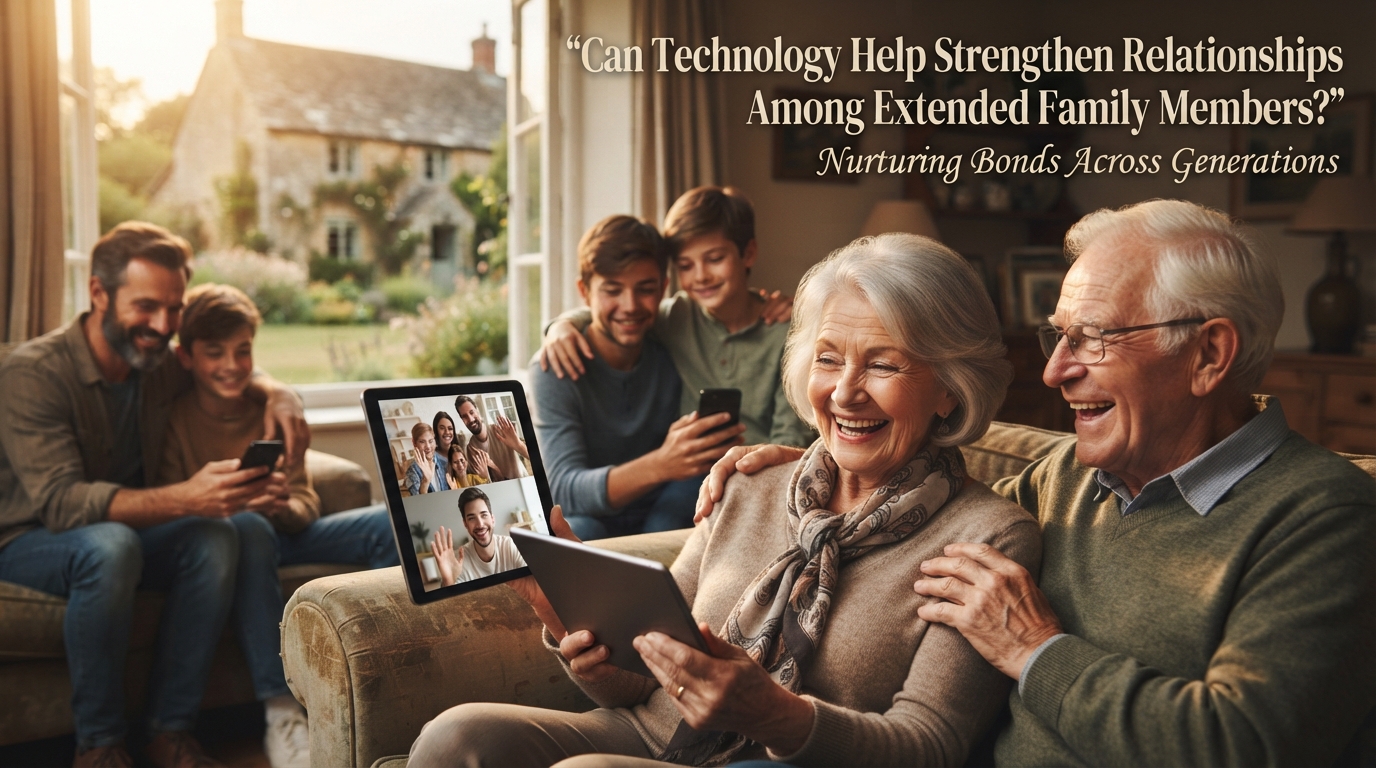
Technology has become an important part of everyday life, including the way families communicate and maintain relationships. In an extended family, relatives may live in different cities or countries, have busy schedules, or rarely meet in person. These circumstances can make it difficult to maintain close relationships. However, digital technology provides various ways for family members to stay connected despite physical distance.
Technology can help strengthen relationships among extended family members by making communication easier, supporting family activities, sharing important information, and creating opportunities for interaction. Through smartphones, social media, video calls, and messaging applications, relatives can communicate more frequently and participate in each other's lives. When used wisely, technology can help maintain family connections and create stronger relationships across generations.
MAKING FAMILY COMMUNICATION EASIER
One of the main benefits of technology is that it makes family communication easier and faster. Relatives can use messaging applications, phone calls, and social media to exchange information without needing to meet physically. They can share daily experiences, ask about each other's well-being, and discuss important family matters at any time. This convenience helps family members maintain regular communication even when they have different schedules.
For example, parents can send updates about their children to grandparents, while cousins can communicate through private messages or family group chats. These simple interactions help relatives remain involved in one another's lives. Regular communication can also prevent family members from feeling disconnected. As a result, technology makes it easier to maintain meaningful relationships within an extended family.
CONNECTING FAMILY MEMBERS WHO LIVE FAR APART
Geographical distance is one of the biggest challenges in maintaining extended family relationships. Relatives who live in different cities or countries may not have enough time or financial resources to visit one another regularly. Digital communication technology helps overcome this limitation by allowing family members to interact without traveling long distances.
Video calling applications make it possible for relatives to see and talk to each other in real time. Grandparents can watch their grandchildren grow, participate in conversations, and celebrate important moments virtually. Although digital interactions cannot completely replace face-to-face meetings, they help maintain emotional connections. This is especially valuable for families whose members live far apart.
CREATING FAMILY GROUPS AND SHARING DAILY ACTIVITIES
Family group chats are useful tools for maintaining regular interaction and family togetherness. Relatives can create groups using messaging applications to share photographs, videos, announcements, and everyday experiences. These groups provide a convenient space for discussing family plans, exchanging information, and staying updated about important events.
Family members can also share achievements, school activities, birthdays, and personal milestones. For example, grandparents can receive photographs of their grandchildren's activities even when they cannot attend in person. These small interactions create opportunities for relatives to celebrate one another's experiences. Over time, regular participation in family conversations can strengthen feelings of belonging and connection.
MAINTAINING FAMILY TRADITIONS THROUGH DIGITAL PLATFORMS
Technology can help extended families preserve family traditions and cultural values even when relatives live in different locations. Through digital platforms, older family members can share traditional recipes, family stories, photographs, and information about important celebrations. These resources help younger generations understand their family history and cultural background.
Families can also organize virtual celebrations during birthdays, holidays, or other special occasions. For example, relatives can participate in online family gatherings, share traditional meals, or exchange greetings through video calls. Digital photographs and recordings can also become valuable family memories. By combining traditional activities with modern technology, families can maintain their cultural identity across generations.
SUPPORTING CHILDREN'S RELATIONSHIPS WITH OLDER RELATIVES
Technology provides children with additional opportunities to develop relationships with grandparents, uncles, aunts, and other relatives. Through video calls, online conversations, and shared digital activities, children can communicate with older family members even when they cannot meet regularly. This interaction helps maintain familiarity and emotional connections between different generations.
Grandparents can use digital platforms to tell stories, discuss school activities, or share their experiences with grandchildren. Children can also show their drawings, school projects, and achievements through photographs or video calls. These activities encourage communication and help children feel connected to their wider family. Adults should provide appropriate guidance to ensure that children's online interactions remain safe and suitable for their age.
ORGANIZING FAMILY EVENTS AND ACTIVITIES
Digital technology can simplify the process of organizing family gatherings and shared activities. Family members can use online calendars, messaging applications, and video meetings to discuss schedules and make arrangements. This makes it easier to coordinate birthdays, reunions, holiday celebrations, and other important occasions.
Technology can also help relatives participate in activities when attending physically is not possible. For example, family members can join virtual meetings, watch celebrations through live video, or participate in online games. These alternatives allow more relatives to become involved in family events. Better coordination can encourage participation and strengthen relationships among family members.
SHARING IMPORTANT INFORMATION AND PROVIDING FAMILY SUPPORT
Extended families often need to exchange important information about health, education, finances, and household responsibilities. Technology makes information sharing and family coordination more efficient. Relatives can quickly send updates, share documents, discuss important decisions, and coordinate assistance when someone needs help.
For example, family members can use group chats to organize visits for elderly relatives or discuss support for a family member experiencing difficulties. Digital communication can also help relatives share useful educational information and important announcements. However, sensitive information should only be shared with trusted people through appropriate channels. Maintaining privacy and checking the accuracy of information are essential for responsible digital communication.
OVERCOMING GENERATIONAL DIFFERENCES IN TECHNOLOGY USE
Although technology provides many benefits, extended family members may have different levels of digital knowledge. Younger relatives may be familiar with smartphones and social media, while some older family members may find these tools difficult to use. These differences can sometimes limit communication if older relatives do not feel comfortable using digital platforms.
Families can address this challenge through digital education and mutual assistance. Younger members can patiently teach grandparents how to make video calls, send messages, or use family group chats. Older relatives should also be given enough time to learn without feeling pressured. When family members help one another understand technology, digital communication can become more inclusive and enjoyable for everyone.
USING TECHNOLOGY WISELY TO MAINTAIN HEALTHY RELATIONSHIPS
Technology can strengthen family connections, but excessive screen time may reduce opportunities for direct interaction. Spending too much time on digital devices during family gatherings can make relatives feel ignored or less appreciated. Therefore, families need to maintain a healthy balance between online communication and face-to-face interaction.
Family members should also respect digital privacy, avoid sharing misleading information, and communicate politely. It is important to remember that not every disagreement should be handled through text messages, especially when a conversation involves sensitive emotions. Direct conversations may be more appropriate for resolving complicated family issues. Using technology responsibly helps ensure that digital communication supports rather than replaces genuine family relationships.
CONCLUSION
Technology can help strengthen relationships among extended family members by making communication easier, connecting relatives across distances, preserving family traditions, and supporting shared activities. Digital platforms also provide opportunities for different generations to interact, exchange information, and participate in important family moments.
However, technology works best when combined with regular communication, mutual respect, privacy awareness, and meaningful face-to-face interaction. Every family member should use digital tools responsibly and consider the needs of other relatives. By maintaining a healthy balance between technology and personal interaction, extended families can build stronger relationships and remain connected across generations.
Recent Posts

How Does Technology Make Daily Evaluation... 21.11.2026/57 View

Apa Strategi Menghadapi Kesenjangan antara Kompetensi... 21.11.2026/59 View

Mengapa Inventaris Aset Penting bagi Kelancaran... 21.11.2026/55 View

When Should Musicians Join a Record... 21.11.2026/54 View

Daily Evaluation or Daily Planning Which... 21.11.2026/61 View
