

Can Technology Improve Construction Waste Processing Methods?
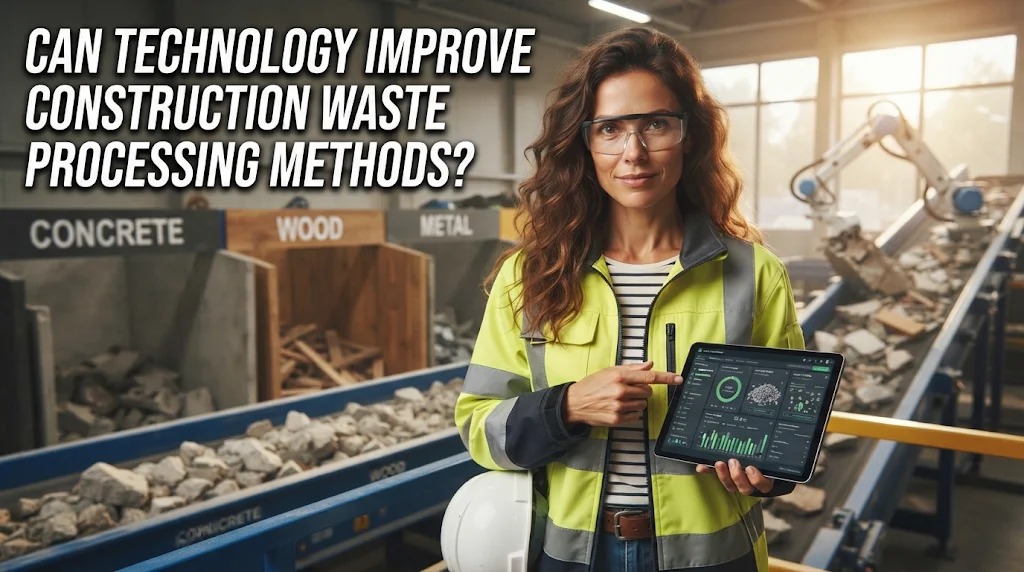
Technology can significantly improve construction waste processing methods by making waste collection, sorting, recycling, and disposal more efficient. Construction activities generate various types of waste, including concrete, bricks, wood, metal, plastic, and other building materials. Traditional waste processing methods often require considerable time, labor, and resources. By adopting modern technologies, construction companies can manage waste more effectively, reduce environmental impacts, and recover valuable materials for future use.
AUTOMATED WASTE SORTING SYSTEMS
Automated sorting systems help separate construction waste based on material types. These systems use sensors, conveyor belts, magnets, and optical recognition technology to identify and separate materials such as metals, plastics, and concrete. Compared with manual sorting, automated processes can improve accuracy and reduce the time required to process large quantities of waste. They also minimize direct worker contact with potentially hazardous materials. This technology makes recycling facilities more productive and improves the quality of recovered materials.
ARTIFICIAL INTELLIGENCE IN WASTE MANAGEMENT
Artificial intelligence can improve construction waste processing by analyzing material data and identifying opportunities for recycling. AI-powered systems can recognize different waste materials through cameras and image processing. They can also help predict waste quantities based on construction activities and material consumption patterns. This information allows companies to prepare suitable processing methods and avoid unnecessary disposal. By using artificial intelligence, construction businesses can make more informed decisions and improve waste management efficiency.
ADVANCED CONCRETE RECYCLING TECHNOLOGY
Modern recycling equipment makes it easier to process concrete waste into reusable construction materials. Crushing machines break hardened concrete into smaller pieces, while screening equipment separates the resulting materials according to size. Some advanced systems also use specialized techniques to remove impurities and improve the quality of recycled aggregates. These materials can be used for applications such as road foundations, drainage layers, and other suitable construction purposes. Advanced concrete recycling reduces the demand for natural aggregates and helps minimize construction waste.
DIGITAL MONITORING AND TRACKING SYSTEMS
Digital monitoring systems help construction companies record and control waste processing activities. Software applications can track the amount of waste generated, identify material categories, and monitor transportation to recycling facilities. Some systems also use QR codes, digital reports, and cloud-based platforms to improve information management. Accurate records make it easier for project managers to evaluate recycling performance and identify unnecessary expenses. Digital tracking also supports greater transparency throughout the construction waste management process.
ROBOTICS IN CONSTRUCTION WASTE PROCESSING
Robotic technology can support waste processing by performing repetitive and physically demanding sorting activities. Equipped with cameras, sensors, and specialized gripping tools, robots can identify and separate certain construction materials with greater consistency. This technology can reduce manual workloads and improve workplace safety, particularly in facilities handling large amounts of debris. Although robotic systems require investment and maintenance, they offer opportunities to increase processing capacity and operational efficiency.
BUILDING INFORMATION MODELING FOR WASTE REDUCTION
Building Information Modeling (BIM) helps reduce construction waste before materials reach the processing stage. BIM allows project teams to create detailed digital building models and calculate material requirements more accurately. This helps prevent excessive material purchases, design errors, and unnecessary cutting or replacement. Project managers can also use BIM information to plan material reuse and coordinate construction activities. By preventing waste at its source, BIM supports more efficient resource management throughout a building project.
CONCLUSION
Technology can improve construction waste processing through automated sorting, artificial intelligence, advanced recycling equipment, digital monitoring, robotics, and Building Information Modeling. These innovations help construction companies process materials more efficiently, reduce manual workloads, recover reusable resources, and minimize environmental pollution. Although implementing modern technology may require significant investment, its long-term benefits can support more economical and sustainable construction practices.
Recent Posts

How Does Technology Make Daily Evaluation... 21.11.2026/58 View

Apa Strategi Menghadapi Kesenjangan antara Kompetensi... 21.11.2026/60 View

Mengapa Inventaris Aset Penting bagi Kelancaran... 21.11.2026/56 View

When Should Musicians Join a Record... 21.11.2026/55 View

Daily Evaluation or Daily Planning Which... 21.11.2026/63 View
