

Can Vocational Curriculum Keep Pace With Rapidly Changing Technologies?
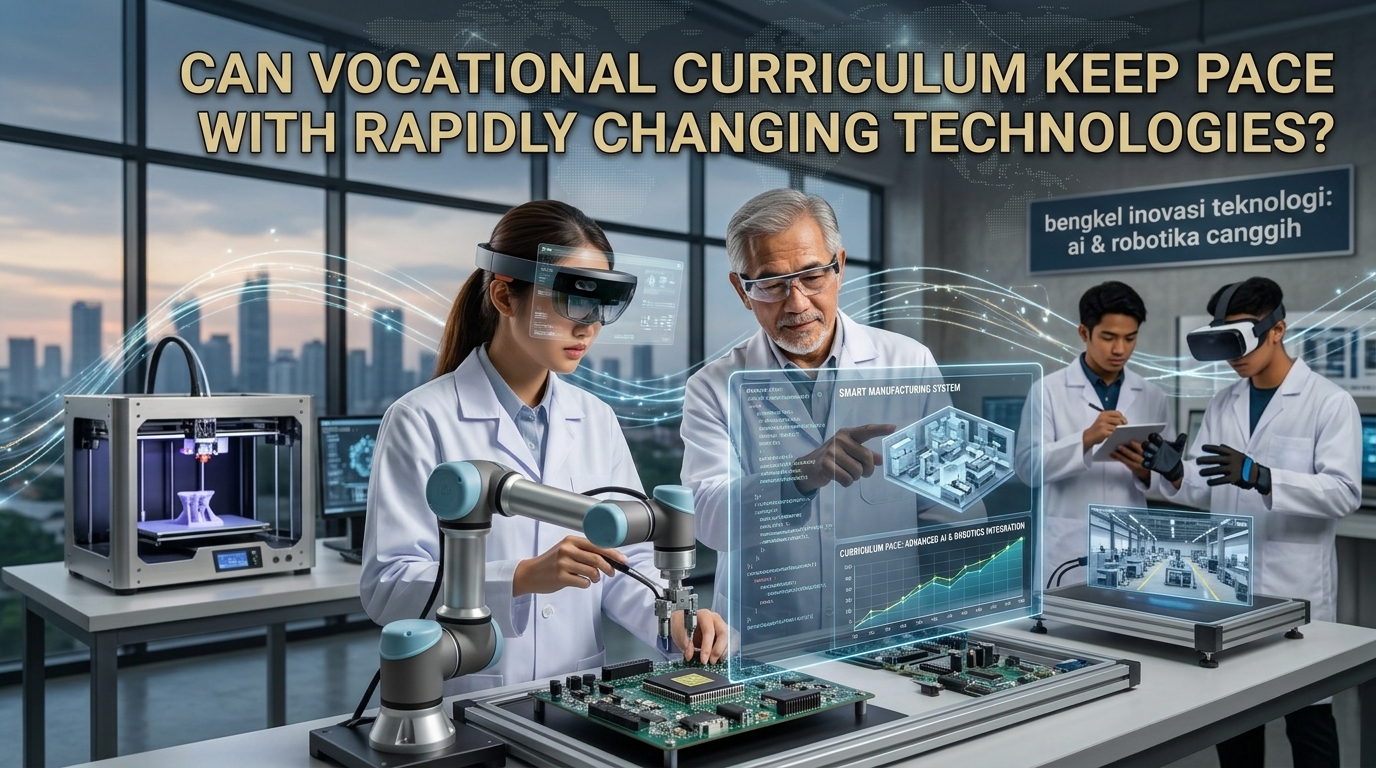
The global job market is evolving at an unprecedented speed due to continuous technological innovation. High schools, polytechnics, and vocational institutions face a critical challenge: keeping their study programs aligned with modern industry requirements. Vocational curriculum modernization has become essential to bridge the growing divide between modern workplace practices and traditional classroom learning.
Ensuring that students gain practical digital skills before graduation requires dynamic academic frameworks. When vocational education fails to adapt quickly, graduates risk entering the workforce with outdated expertise. Addressing this issue requires structural reforms, updated training facilities, and flexible teaching methods tailored to current industry standards.
THE Growing GAP BETWEEN EDUCATION AND TECH INNOVATION
Technological developments like artificial intelligence, automation, and advanced data analytics are reshaping entire industries overnight. Traditional education systems often require several years to formally review, update, and approve new training frameworks. This slow administrative process creates a significant delay in delivering updated learning materials to students.
Consequently, students frequently learn software, tools, and operational methods that industries have already abandoned. Bridging this gap requires educational institutions to build agile systems capable of incorporating immediate technological updates. Without rapid adjustments, vocational qualifications lose their practical value in the modern employment landscape.
STRATEGIC INDUSTRY PARTNERSHIPS AND REGULAR REVISION
The most effective way to align learning materials with technological changes is through active industry collaboration. Vocational schools must partner directly with leading companies to co-create training modules and design practical workshops. Industry professionals can provide real-time updates regarding emerging skills and essential operational tools.
Additionally, academic institutions should establish flexible review cycles instead of relying on rigid multi-year curriculum assessments. Routine industry feedback allows educators to adjust syllabus topics gradually without waiting for complete system overhauls. This strategy ensures students always learn market-relevant skill sets.
EMBRACING BLENDED LEARNING AND MODULAR CERTIFICATIONS
Implementing flexible learning frameworks allows institutions to update specific training modules without changing the entire educational structure. Modular skill certifications enable students to earn short-term credentials in emerging fields like cloud computing or digital maintenance. This practical approach gives learners a competitive advantage in the job market.
Integrating interactive digital platforms and simulation tools further enhances student engagement and practical knowledge. Hybrid learning models allow institutions to introduce newly developed tech courses rapidly and cost-effectively. As a result, students acquire both fundamental principles and cutting-edge operational skills.
INVESTING IN TEACHER UPSELLING AND MODERN FACILITIES
A modernized curriculum is only as effective as the educators who deliver it to students daily. Vocational institutions must prioritize continuous teacher training programs to keep instructors updated on modern tools. Upgraded teaching skills directly translate into higher instruction quality and better student guidance.
Furthermore, state-of-the-art laboratory equipment and updated software licenses are crucial for effective practical application. Providing access to professional-grade tools ensures that students practice on equipment identical to real workplace environments. Investing in teaching staff and modern facilities guarantees long-term educational excellence.
CONCLUSION
Vocational education can successfully keep pace with rapid technological advances by adopting dynamic learning models and strong corporate partnerships. Combining modular certifications, updated facility resources, and continuous instructor training creates a resilient system. Ultimately, proactive curriculum adaptation ensures graduates remain highly competitive, skilled, and ready for future workplace demands.
KEYWORDS:
VOCATIONAL CURRICULUM
DIGITAL SKILLS
Meta Description: Vocational curriculum updates help students gain relevant digital skills for modern tech industries and build successful careers.
Recent Posts

Bagaimana Sistem SKS pada Program Kuliah... 22.11.2026/54 View

How Does Technology Make Daily Evaluation... 21.11.2026/83 View

Apa Strategi Menghadapi Kesenjangan antara Kompetensi... 21.11.2026/82 View

Mengapa Inventaris Aset Penting bagi Kelancaran... 21.11.2026/78 View

When Should Musicians Join a Record... 21.11.2026/84 View
