

Do Microwaves Emit Radiation That Harms Your Food and Health?
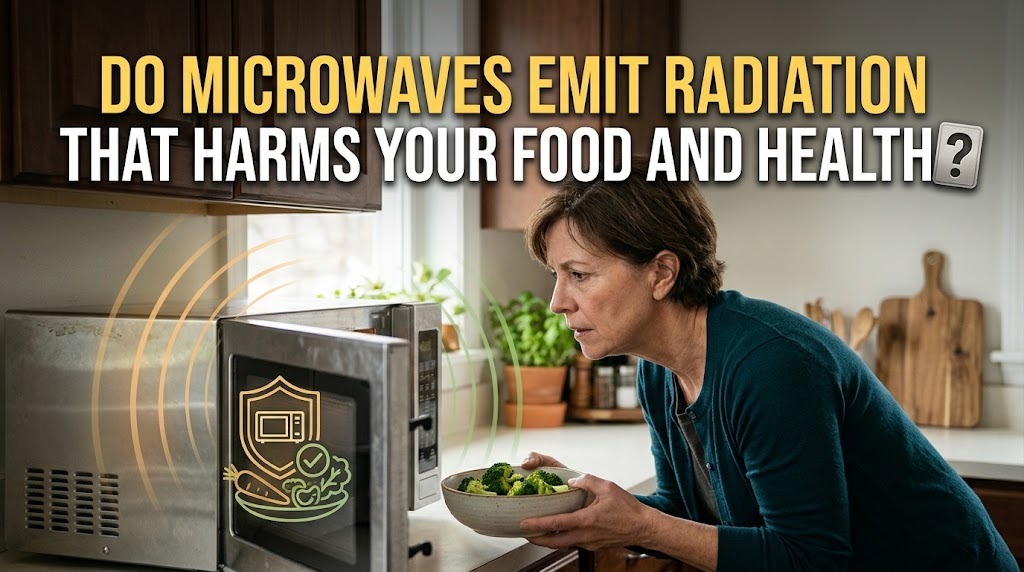
Microwave ovens have become an indispensable appliance in modern kitchens for heating and cooking meals rapidly. They operate by generating electromagnetic waves inside a closed metal cavity using a specialized component called a magnetron. These invisible waves bounce around the interior compartment until they are absorbed by the food placed inside.
The absorbed energy causes water, fat, and sugar molecules to vibrate rapidly millions of times per second. This constant molecular friction generates heat quickly from the inside out, allowing meals to warm up in a fraction of the time required by conventional ovens. Understanding this physical heating process helps clarify why microwave cooking is fundamentally different from traditional stove heating methods.
UNDERSTANDING MICROWAVE RADIATION
A common concern regarding microwave ovens stems from the word radiation, which often conjures images of dangerous nuclear energy. However, the energy emitted by microwaves is strictly classified as non-ionizing radiation, placing it in the same category as radio waves and household Wi-Fi signals. This specific type of radiation lacks the high frequency needed to strip electrons from atoms or alter biological DNA.
Because non-ionizing energy cannot break chemical bonds or create radioactive particles, it poses no risk of making your food radioactive. Once you turn off the appliance, the wave generation stops instantly, leaving zero residual energy behind in the food or the cooking compartment. Recognizing this distinction dispels widespread fears about electromagnetic safety in everyday kitchen appliances.
DOES MICROWAVE RADIATION HARM FOOD?
A widespread misconception is that microwaving food destroys its molecular structure and creates harmful chemical toxins. In reality, microwave energy merely agitates water molecules through thermal friction without altering the basic chemical composition of proteins, carbohydrates, or fats. The food does not absorb any dangerous radiation because the energy converts completely into thermal heat upon contact.
Furthermore, health and safety regulatory agencies enforce strict design standards to ensure that wave containment remains absolute during operation. The metal mesh screen embedded in the glass door is scientifically engineered to reflect microwaves inward, preventing any leakage into your kitchen. Therefore, your daily meals remain entirely safe to consume without any risk of radiation contamination.
NUTRIENT RETENTION COMPARED TO OTHER COOKING METHODS
Many people wonder whether microwaving depletes vitamins and minerals more than boiling, baking, or frying. Interestingly, nutritional studies consistently show that microwave cooking is actually one of the best methods for preserving nutrients. Because microwaves heat food quickly and often require little to no added water, heat-sensitive vitamins like Vitamin C and B-complex vitamins suffer less degradation.
Traditional boiling methods often cause water-soluble nutrients to leach out into the cooking water, which is usually discarded down the drain. Microwaving cooks food rapidly from within, significantly reducing cooking time and nutrient loss compared to prolonged stovetop boiling. This efficiency makes microwave preparation a surprisingly healthy choice for retaining essential dietary nutrients in everyday meals.
SAFETY FEATURES AND LEAKAGE PREVENTION
Manufacturers design modern microwave ovens with multiple layers of safety mechanisms to protect users from accidental exposure. Every appliance features a secure interlocking door switch system that automatically cuts off power the moment the door is opened ever so slightly. This mechanical safeguard ensures that microwaves cannot be generated while the front compartment is accessible to humans.
Additionally, the outer metal casing acts as a Faraday cage, trapping all internal energy securely within the cooking chamber. While minor wear and tear around the door seal can occasionally cause trace leakage, regulatory limits ensure these levels are thousands of times lower than any threshold known to cause biological harm. Routine cleaning and avoiding warped doors keep these appliances operating at maximum safety levels for years.
COMMON MYTHS ABOUT MICROWAVE SAFETY
Despite scientific consensus, numerous urban legends persist regarding the alleged dangers of using microwave ovens. One common myth claims that standing close to an operating microwave can cause cancer or sterility, which has been thoroughly disproved by decades of public health research. Another frequent misconception is that plastic containers always release toxic chemicals into food, though modern containers labeled microwave-safe are specifically tested to withstand cooking temperatures safely.
Educating oneself with factual science helps eliminate unnecessary anxiety surrounding common kitchen technology. By relying on verified testing and expert health guidelines, consumers can evaluate appliance safety objectively rather than trusting unverified internet rumors. Dispelling these myths allows everyone to enjoy the incredible convenience of modern cooking without lingering health worries.
CONCLUSION
In summary, microwave ovens use non-ionizing radiofrequency energy to heat food rapidly through molecular friction and thermal agitation. They do not make food radioactive or alter its chemical structure in any harmful way. In fact, due to shorter cooking times, microwaves often preserve vitamins and minerals better than traditional cooking methods.
With built-in safety interlocks and robust metal shielding, commercial microwaves protect users from any accidental wave exposure. Understanding how this technology works empowers consumers to use kitchen appliances confidently, efficiently, and safely every single day. Ultimately, microwaves represent one of the most thoroughly tested and reliable tools in modern culinary history.
Recent Posts

Bagaimana Sistem SKS pada Program Kuliah... 22.11.2026/53 View

How Does Technology Make Daily Evaluation... 21.11.2026/82 View

Apa Strategi Menghadapi Kesenjangan antara Kompetensi... 21.11.2026/81 View

Mengapa Inventaris Aset Penting bagi Kelancaran... 21.11.2026/77 View

When Should Musicians Join a Record... 21.11.2026/82 View
