

Does School Zoning Affect The Quality Of Student Learning?
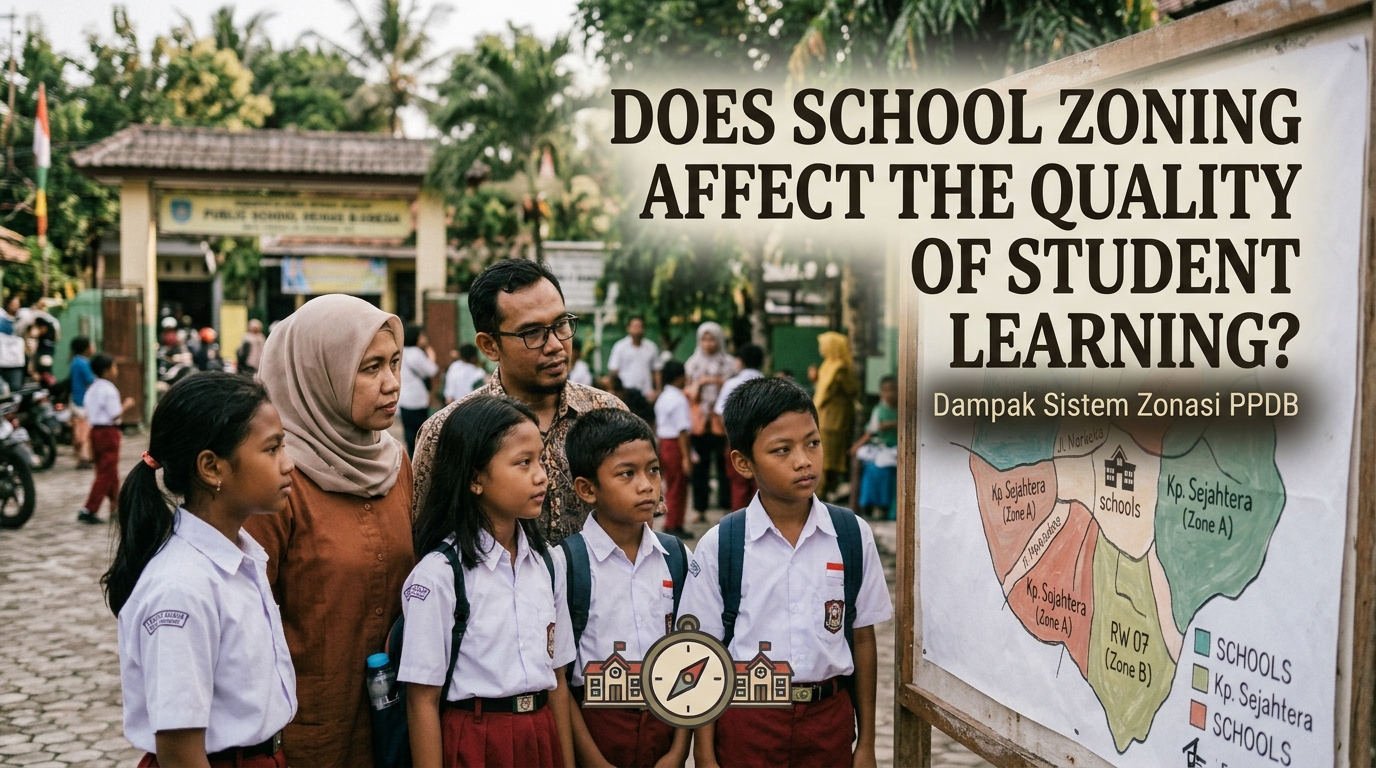
School zoning is an education policy that assigns students to public schools based on their home addresses or residential areas. This policy is designed to make education more accessible, reduce long travel distances, and create a fairer distribution of students among schools. However, an important question remains: Does school zoning affect the quality of student learning?
The answer is yes, but the impact depends on how the policy is implemented and how schools are managed. School zoning can create opportunities for more students to access education, but it may also introduce challenges when schools have different facilities, teacher qualifications, and learning resources. Understanding these effects is essential for parents, teachers, and policymakers who want to ensure that every student receives a high-quality education.
HOW SCHOOL ZONING WORKS
School zoning generally determines school admission eligibility according to a student's residential location. In Indonesia, this approach has been associated with the zonasi admission pathway, which aims to provide students with access to nearby public schools. The policy can help reduce transportation costs and make daily school attendance more convenient. It can also encourage students from different social and economic backgrounds to study in the same school. However, the specific admission rules, selection criteria, and implementation procedures may vary depending on the applicable education regulations.
Although the policy focuses on geographical access, equal access does not automatically mean equal educational quality. Some schools may have modern classrooms, well-equipped laboratories, and experienced teachers, while others may lack essential resources. If these differences are not addressed, students may receive different learning experiences even when they have similar opportunities to enroll in public schools. Therefore, school zoning should be supported by policies that improve the quality of education across all schools.
THE POSITIVE EFFECTS OF SCHOOL ZONING ON STUDENT LEARNING
One major benefit of school zoning is that it can make education more accessible to students who live near public schools. Shorter travel distances may help students save time, reduce transportation expenses, and arrive at school with less fatigue. As a result, they may have more energy to participate in classroom activities and complete their assignments. Living closer to school can also make communication between parents and teachers easier, allowing families to become more involved in their children's education.
Another potential benefit is the promotion of educational equity. When admission is not based primarily on academic achievement, students with different learning abilities and family backgrounds may have greater opportunities to attend public schools. This can encourage schools to develop teaching strategies that respond to diverse student needs. Students may also learn to cooperate with classmates who have different experiences and perspectives. Nevertheless, these benefits depend on effective teaching, adequate school resources, and appropriate support for students with different academic needs.
THE CHALLENGES OF SCHOOL ZONING
One of the main challenges is the unequal distribution of school quality. If popular schools have better facilities, more qualified teachers, or stronger academic support, students assigned to less well-equipped schools may experience disadvantages. In such situations, school zoning can limit some families' ability to choose a school that they believe offers better learning opportunities. This does not mean that every school in a particular area has the same weaknesses, but differences in educational resources can influence student outcomes.
Another challenge is that schools may experience uneven enrollment. Some schools may receive more applicants than their available places, while others may have fewer students. Overcrowded classrooms can reduce individual attention from teachers and make classroom management more difficult. Meanwhile, schools with low enrollment may face challenges in maintaining facilities or providing a wide range of learning activities. These problems show why school zoning must be accompanied by careful planning, fair resource allocation, and regular evaluation.
HOW SCHOOL ZONING INFLUENCES ACADEMIC PERFORMANCE
The relationship between school zoning and academic performance is not always direct. Students' learning outcomes are influenced by several factors, including teacher effectiveness, family support, learning motivation, classroom conditions, and access to educational materials. School zoning may improve performance when it reduces travel burdens and helps students attend school regularly. However, the policy may have limited benefits if students enter schools that lack sufficient teaching resources or effective academic support.
It is also important to distinguish between school access and learning achievement. Increasing enrollment in nearby schools is a valuable goal, but it does not guarantee higher literacy, numeracy, or critical-thinking skills. Schools still need clear learning objectives, appropriate assessments, qualified teachers, and additional assistance for students who fall behind. Evaluating the success of school zoning should therefore involve more than admission statistics. Attendance rates, student progress, graduation outcomes, and the availability of learning resources should also be considered.
WAYS TO IMPROVE THE EFFECTIVENESS OF SCHOOL ZONING
To make school zoning more effective, education authorities should focus on improving the quality of every school rather than relying on admission policies alone. Fair distribution of teachers, facilities, technology, and learning materials can help reduce differences between schools. Professional development programs can also strengthen teachers' skills in classroom management, lesson planning, and student assessment. In addition, schools should provide extra academic support for students who need help understanding difficult subjects.
Parents and communities also have an important role in supporting student learning. Regular communication with teachers, a supportive home learning environment, and participation in school activities can improve students' motivation and progress. Education authorities should evaluate school zoning policies using reliable data and feedback from students, parents, teachers, and school leaders. Adjustments should be made when evidence shows that certain schools face overcrowding or lack essential resources. Through continuous evaluation and cooperation, school zoning can become part of a broader strategy to improve educational fairness and learning quality.
CONCLUSION
School zoning can affect the quality of student learning, but its impact depends on the conditions surrounding its implementation. The policy can improve access to education, reduce travel burdens, and encourage a more inclusive school environment. However, differences in school facilities, teacher quality, class sizes, and learning support can prevent students from receiving equal educational opportunities. For this reason, school zoning should not be treated as a complete solution to educational inequality.
The most effective approach is to combine fair school admission with consistent improvements in teaching quality, school facilities, and student support. Every student deserves access not only to a nearby school but also to an environment that supports academic growth and personal development. When education authorities, teachers, parents, and communities work together, school zoning can contribute to a more equitable and effective education system.
Recent Posts

Bagaimana Sistem SKS pada Program Kuliah... 22.11.2026/57 View

How Does Technology Make Daily Evaluation... 21.11.2026/86 View

Apa Strategi Menghadapi Kesenjangan antara Kompetensi... 21.11.2026/84 View

Mengapa Inventaris Aset Penting bagi Kelancaran... 21.11.2026/82 View

When Should Musicians Join a Record... 21.11.2026/86 View
