

Does Vocational Curriculum Foster Innovation In Regional Industrial Sectors?
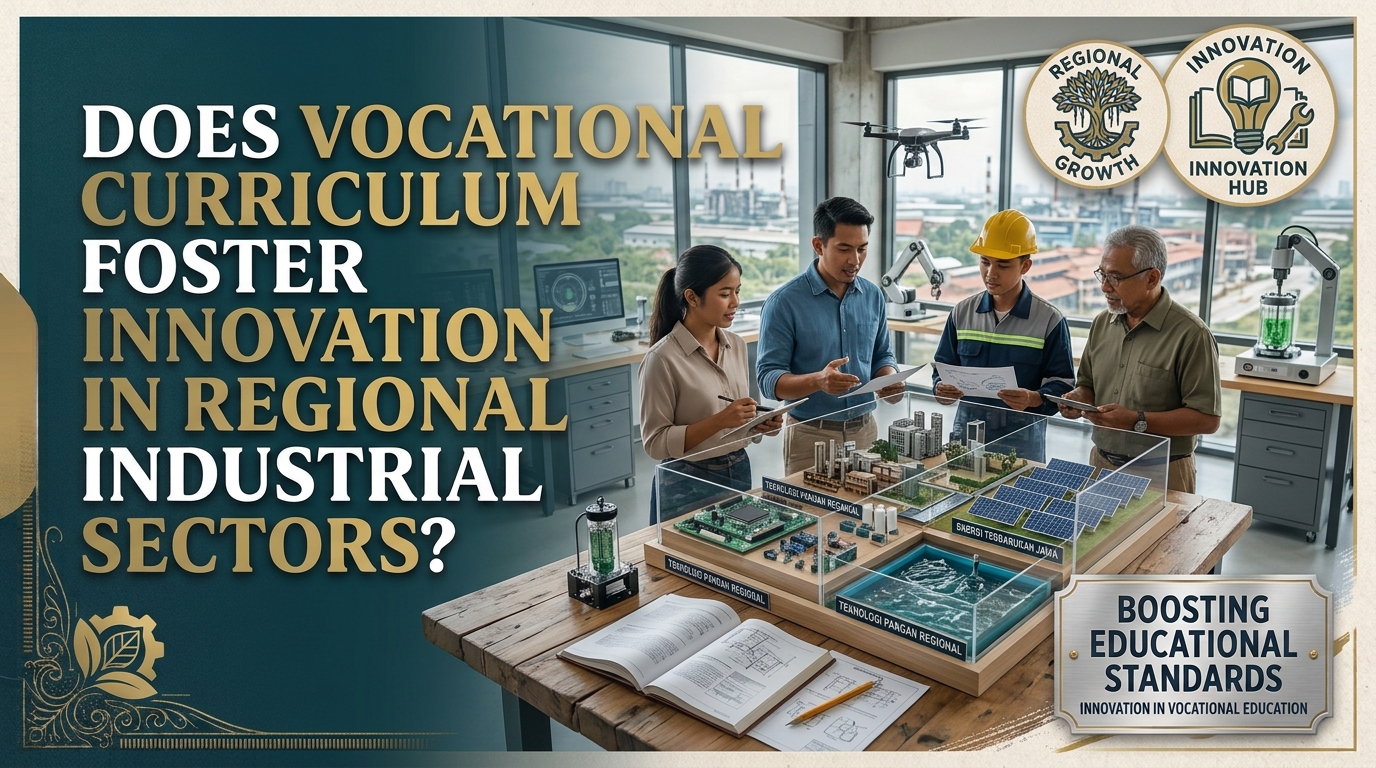
Regional economic growth depends heavily on the ability of local businesses to adapt to technological progress and market changes. High schools, polytechnics, and technical colleges serve as vital growth engines by supplying skilled local workforces. A well-designed vocational curriculum innovation framework directly stimulates regional development by equipping students with creative problem-solving skills. When educational institutions align their study programs with local economic needs, local businesses experience significant productivity gains. However, traditional training models that focus solely on passive learning often miss opportunities to drive local economic progress.
DRIVING LOCAL INDUSTRIAL GROWTH THROUGH PRACTICAL PROBLEM SOLVING
Modern technical education encourages students to apply theoretical knowledge directly to real-world industrial challenges within their communities. Training students on modern machinery, automation, and digital tools enables local enterprises to adopt regional industrial technology much faster. Local factories and businesses benefit from a steady stream of graduates capable of optimizing production workflows immediately.
Consequently, regional companies can modernize their daily operations without relying on expensive outside consultants or foreign technical experts. Young specialists bring fresh ideas, efficient technical strategies, and updated operational methods to local workshops. This direct transfer of knowledge elevates local economic competitiveness and fosters long-term regional stability.
BUILDING APPLIED RESEARCH AND DEVELOPMENT COLLABORATIONS
Establishing joint R&D initiatives between technical institutions and regional enterprises accelerates local industrial growth significantly. Applied research projects allow students and instructors to work alongside local business owners to solve specific technical obstacles. These collaborative efforts lead to the creation of customized equipment, improved product designs, and optimized manufacturing processes.
Furthermore, local businesses gain access to modern campus testing laboratories and specialized machinery that they might otherwise be unable to afford. Students gain valuable hands-on experience while local enterprises enjoy cost-effective technological improvements. This synergistic relationship transforms vocational campuses into active innovation hubs for the entire community.
EMPOWERING LOCAL ENTREPRENEURSHIP AND SMALL BUSINESSES
A forward-thinking educational model equips students with both technical expertise and essential entrepreneurial mindsets. Teaching students how to identify market inefficiencies encourages them to launch regional technical ventures that address local consumer needs. Young entrepreneurs create new employment opportunities while driving healthy competition across local commercial markets.
Additionally, technical academies often offer business incubator programs and mentorship to help students commercialize their technical projects. Supported by knowledgeable faculty, student-led startups transform creative concepts into viable local commercial enterprises. Fostering local entrepreneurship ensures sustainable economic diversification and strengthens community resilience against global economic shifts.
UPGRADING FACULTY SKILLS AND REGIONAL CAMPUS INFRASTRUCTURE
Driving continuous local innovation requires well-equipped campus laboratories and knowledgeable instructors who understand regional market trends. Educational leaders must prioritize faculty professional growth through regular industrial externships and technical training programs. Competent instructors guide students through complex practical exercises and encourage innovative thinking in every lesson.
Simultaneously, investing in modern workshop equipment and professional software licenses ensures students train on industry-standard tools. Practicing on state-of-the-art machinery prepares graduates to solve real technical problems efficiently upon entering local work environments. Combining updated facilities with skilled teaching staff guarantees high educational quality and sustained regional progress.
CONCLUSION
Vocational curriculum plays a transformative role in driving innovation across regional industrial sectors by connecting education with local economic needs. Combining applied research partnerships, local business incubation, modernized facilities, and continuous teacher training creates a thriving local economy. While modernizing campus infrastructure requires sustained investment, the economic benefits for regional businesses and communities are immense. Educational and civic leaders must prioritize local curriculum alignment today to ensure regional industries remain competitive, innovative, and resilient. Empowering local talent secures long-term economic growth and prosperity for generations to come.
Recent Posts

Bagaimana Sistem SKS pada Program Kuliah... 22.11.2026/54 View

How Does Technology Make Daily Evaluation... 21.11.2026/83 View

Apa Strategi Menghadapi Kesenjangan antara Kompetensi... 21.11.2026/82 View

Mengapa Inventaris Aset Penting bagi Kelancaran... 21.11.2026/78 View

When Should Musicians Join a Record... 21.11.2026/84 View
