

How Are Digital Memos Changing Modern Office Communication?
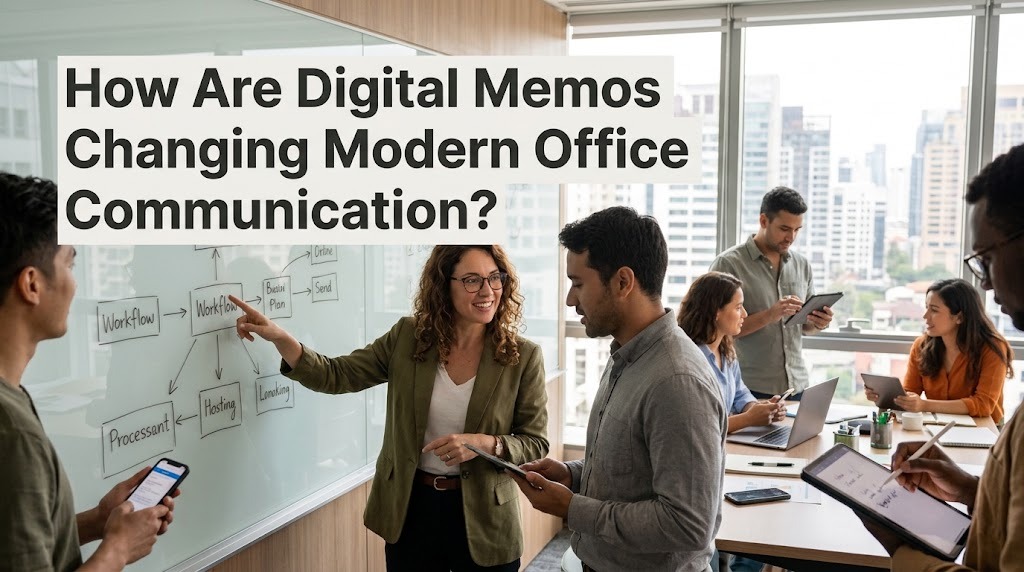
In the contemporary corporate landscape, the rapid evolution of workplace technology has fundamental altered how organizations share information, execute strategy, and manage administrative workflows. For decades, traditional paper-based correspondence served as the primary medium for broadcasting internal announcements, circulating policy changes, and securing managerial approvals. Today, the widespread adoption of cloud computing, enterprise intranet platforms, and dedicated document management systems has catalyzed a total transition toward digital correspondence. The digital memorandum has emerged as a dynamic, real-time administrative instrument that bridges geographic divides, accelerates decision-making cycles, and transforms the broader architecture of workplace collaboration.
Understanding how this technological shift impacts daily operations is essential for organizational leaders and administrative professionals seeking to optimize productivity. This comprehensive guide explores the profound ways digital memos are revolutionizing modern office communication, highlighting key technological benefits, operational shifts, and future workplace trends.
ACCELERATING TRANSMISSION SPEED AND OPERATIONAL AGILITY
The most immediate impact of digital memos on workplace communication is the dramatic acceleration of information transmission speed across organizational hierarchies. In traditional paper-based workflows, circulating a formal memo involved physical printing, manual routing through inter-office mail, and waiting days for physical sign-offs from executive leadership. Digital memos eliminate these physical friction points completely, allowing administrative officers to draft, review, verify, and distribute critical directives instantly to hundreds of employees simultaneously across global offices.
This instantaneous delivery mechanism fosters unprecedented operational agility, enabling organizations to respond rapidly to market shifts, crisis situations, or sudden policy updates. Executive leaders can issue urgent instructions and track receipt in real time, ensuring that operational teams align their daily activities immediately with updated strategic goals. By compressing communication timelines from days to seconds, digital memos empower modern enterprises to operate at the speed of the digital economy.
ENHANCING INTERACTION THROUGH INTEGRATED DIGITAL ECOSYSTEMS
Unlike static paper documents that offer one-way communication, digital memos integrate seamlessly into broader enterprise software ecosystems and interactive collaboration tools. Modern digital memoranda are frequently embedded directly within enterprise messaging platforms, intranet portals, and collaborative cloud document systems where team members can engage with the content. Employees can post clarifying questions, attach relevant data files, tag project stakeholders, and provide instant feedback directly within the digital document thread.
This transformation from a static broadcast to an interactive dialog breaks down departmental silos and encourages collaborative problem-solving across all organizational tiers. Furthermore, digital memos easily incorporate rich media elements, such as hyperlink references, interactive data visualizations, embedded instructional videos, and live project dashboards. Enhancing text narrative with rich visual media creates a more engaging and comprehensive communication experience for modern workforce members.
STRENGTHENING SECURITY AND ARCHIVAL SEARCHABILITY
The transition to digital correspondence significantly strengthens information security, access control, and long-term record preservation within modern organizations. Physical paper memos face inherent security vulnerabilities, including physical theft, unauthorized copying, loss in transit, or physical damage from environmental factors. Digital memoranda, by contrast, are protected by advanced cryptographic encryption, multi-factor authentication protocols, and granular role-based permission settings that restrict viewing access strictly to authorized personnel.
In addition to robust security controls, digital memos offer unparalleled searchability and archival management through centralized cloud databases. Administrative officers and compliance auditors no longer need to spend hours searching through physical filing cabinets to locate historical policy decisions or budget authorizations. Advanced metadata tagging, keyword indexing, and automated optical character recognition allow employees to retrieve specific digital memos in seconds, ensuring complete administrative auditability and institutional memory.
REDUCING COSTS AND PROMOTING SUSTAINABLE WORKPLACE PRACTICES
Adopting digital memos drives significant financial savings while aligning corporate operations with modern Environmental, Social, and Governance (ESG) sustainability standards. Operating a traditional paper-based office infrastructure incurs substantial recurring expenses related to paper procurement, ink cartridges, high-capacity printing machinery, physical storage space, and courier services. Transitioning internal communications to digital formats dramatically reduces these operational overhead costs, freeing up capital for strategic business investments.
Beyond financial benefits, eliminating paper consumption contributes directly to corporate environmental stewardship by reducing carbon footprints and waste production. Modern employees and institutional investors increasingly prioritize working with environmentally responsible organizations that actively implement sustainable paperless workflows. Embracing digital memos demonstrates a tangible commitment to eco-friendly business practices, enhancing corporate reputation while modernizing internal administrative operations.
OVERCOMING DIGITAL OVERLOAD AND MAINTAINING BOUNDARIES
While digital memos offer immense operational advantages, their widespread implementation introduces new workplace communication challenges, primarily centered around information overload and digital fatigue. The ease of generating and distributing digital correspondence can lead to an overwhelming influx of daily notifications, causing important policy updates to get buried beneath routine message traffic. Organizations must establish clear communication protocols to differentiate urgent digital memos from routine operational chats, ensuring that high-priority directives retain their administrative visibility.
Additionally, because digital memos are accessible anytime from mobile devices, organizations must establish clear boundaries regarding after-hours communication to prevent employee burnout. Implementing clear digital communication guidelines, designated administrative sending windows, and structured notification policies ensures that digital memos enhance productivity without compromising employee well-being. Proactively managing these digital challenges allows organizations to cultivate a healthy, balanced, and highly efficient corporate communication culture.
CONCLUSION
Digital memos are fundamentally reshaping modern office communication by accelerating transmission speeds, enriching collaboration through interactive tools, strengthening document security, and driving eco-friendly sustainability. While managing information overload requires thoughtful administrative protocols, the operational benefits of digital correspondence far outweigh the challenges. As workplace technology continues to evolve, mastering the creation, distribution, and governance of digital memos remains a vital capability for organizations aiming to maintain operational excellence and administrative agility in the modern era.
Recent Posts

Bagaimana Sistem SKS pada Program Kuliah... 22.11.2026/53 View

How Does Technology Make Daily Evaluation... 21.11.2026/82 View

Apa Strategi Menghadapi Kesenjangan antara Kompetensi... 21.11.2026/81 View

Mengapa Inventaris Aset Penting bagi Kelancaran... 21.11.2026/77 View

When Should Musicians Join a Record... 21.11.2026/82 View
