

How Are Membership Cards Changing in the Digital Era?
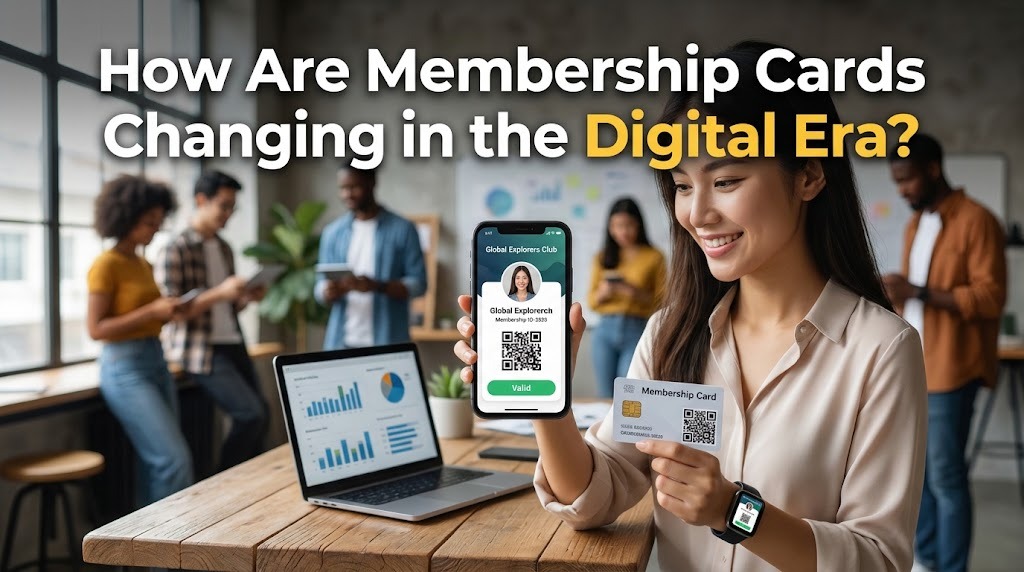
Membership cards have become an important part of modern organizational administration. Traditionally, these cards were printed on plastic or paper and used to identify registered members of organizations, associations, communities, and institutions. However, technological developments have changed how membership information is stored, accessed, and verified. Many organizations are now moving from traditional physical cards to digital membership systems that offer greater convenience and flexibility.
The digital era has introduced new features that make membership management more efficient. Digital cards can be accessed through smartphones, connected to online databases, and equipped with QR codes or other verification technologies. These changes benefit both organizations and their members by simplifying administrative processes and improving access to services. Understanding these developments helps explain how membership cards are adapting to modern technological needs.
THE TRANSITION FROM PHYSICAL TO DIGITAL MEMBERSHIP CARDS
One of the most noticeable changes in the digital era is the transition from physical membership cards to digital alternatives. Traditional cards usually require printing, distribution, and physical storage. Although they remain useful, these processes can create additional costs and administrative work for organizations. Digital membership cards provide another option by allowing members to access their identification through smartphones or other electronic devices.
With digital cards, members no longer need to carry a physical document everywhere. They can display their membership information whenever verification is required, provided they have access to the relevant device or system. Organizations can also issue digital cards without waiting for printing and delivery processes. The transition to digital membership cards makes identification more practical and accessible. However, physical cards may still be necessary for individuals who have limited access to digital technology.
THE USE OF QR CODES AND DIGITAL VERIFICATION SYSTEMS
Modern membership cards increasingly use QR codes and other digital verification features. A QR code can contain a link or identifier connected to an organization's membership database. When scanned through an authorized system, it can help administrators check whether a person has an active membership. This technology makes verification faster than manually searching through paper records.
Digital verification can also help organizations reduce the risk of fraudulent membership identification. Some systems allow administrators to check membership status, registration details, and card validity through secure platforms. QR codes simplify membership verification and improve administrative efficiency. However, organizations should ensure that QR codes do not expose sensitive personal information and that access to membership databases is properly controlled.
EASIER ACCESS THROUGH MOBILE APPLICATIONS
Mobile applications have changed how members interact with their organizations. Instead of depending entirely on printed documents, members can access their digital membership cards through dedicated applications. These applications may provide additional features, such as membership profiles, event registration, announcements, payment information, and service notifications. This creates a more convenient experience because several membership services can be accessed through one platform.
For organizations, mobile applications provide opportunities to improve communication and member engagement. Administrators can distribute announcements, update membership information, and provide important notifications more efficiently. Members can also check their registration details without visiting an administrative office. Mobile applications make membership services more accessible and convenient. Nevertheless, organizations should provide user-friendly applications and alternative access methods for members who cannot use smartphones.
MORE EFFICIENT MEMBERSHIP DATA MANAGEMENT
Digital technology has improved how organizations collect, store, and manage membership information. Traditional systems often depend on paper documents, spreadsheets, or separate administrative records. These methods can become difficult to manage when membership numbers increase. Digital databases provide a more organized way to store member information and retrieve records when needed.
Administrators can use digital systems to update personal details, monitor membership status, manage renewals, and organize registration data. Some platforms also support automated notifications when membership information needs to be updated. Centralized membership databases help reduce administrative errors and improve data accuracy. Organizations must still maintain proper backup procedures, access controls, and data protection policies to keep membership information secure.
IMPROVED SECURITY AND PERSONAL DATA PROTECTION
As membership cards become more digital, information security becomes increasingly important. Digital membership systems may contain personal details, identification numbers, contact information, and membership histories. If these records are not protected properly, unauthorized individuals could access or misuse the information. Therefore, organizations need to implement appropriate security measures when introducing digital membership services.
Security measures may include password protection, access permissions, data encryption, secure authentication, and regular system monitoring. Organizations should also explain how members' personal information is collected, stored, and used. Protecting personal data is essential for maintaining member trust. A modern membership system should not only provide convenience but also ensure that information remains confidential and accessible only to authorized parties.
THE ROLE OF DIGITAL MEMBERSHIP CARDS IN FUTURE ORGANIZATIONS
Digital membership cards are expected to become increasingly important as organizations continue adopting modern administrative technologies. Integration with online registration systems, mobile applications, and automated databases can make membership services more efficient. Organizations may also introduce additional features, such as digital attendance records, electronic membership certificates, and automated renewal systems. These developments can reduce administrative workloads while improving the overall member experience.
However, digital transformation should consider the needs of different members. Not everyone has reliable internet access, suitable devices, or sufficient digital skills. Organizations should therefore provide clear instructions and alternative identification methods when necessary. The future of membership cards depends on balancing technological innovation with accessibility and security. By combining digital solutions with effective administration, organizations can create more flexible and reliable membership systems.
CONCLUSION
Membership cards are changing in the digital era through the adoption of mobile applications, QR codes, online verification, and centralized databases. These developments make membership identification more convenient, improve administrative efficiency, and provide easier access to organizational services. At the same time, organizations must prioritize personal data protection, system security, and accessibility for all members. By adopting suitable digital technologies, organizations can modernize membership management while maintaining reliable identification and effective member services.
Recent Posts

Bagaimana Sistem SKS pada Program Kuliah... 22.11.2026/48 View

How Does Technology Make Daily Evaluation... 21.11.2026/76 View

Apa Strategi Menghadapi Kesenjangan antara Kompetensi... 21.11.2026/78 View

Mengapa Inventaris Aset Penting bagi Kelancaran... 21.11.2026/73 View

When Should Musicians Join a Record... 21.11.2026/78 View
