

How Are Premium Content Trends Changing the Digital Economy?
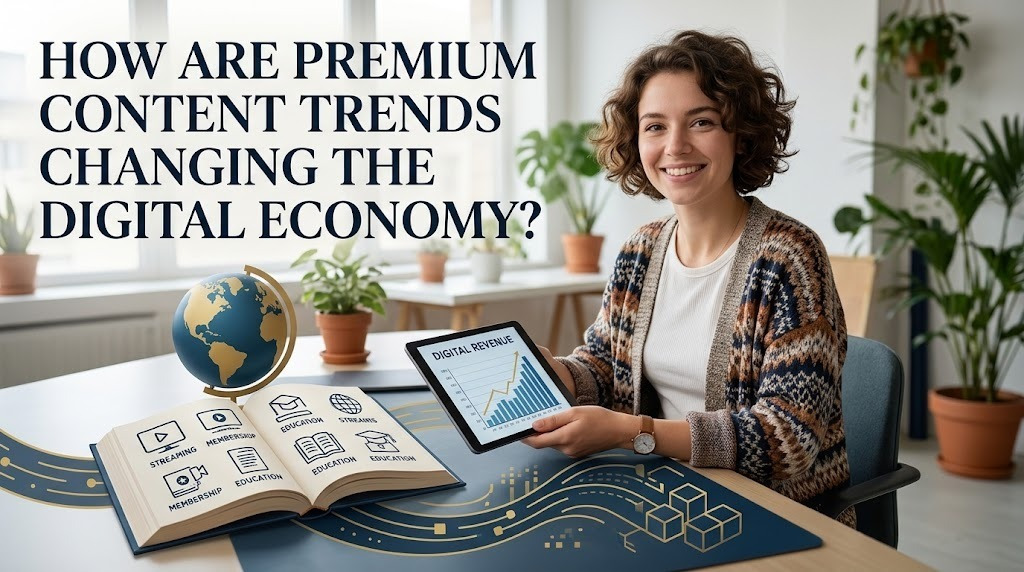
The digital economy continues to develop as businesses, creators, and online platforms introduce new ways to produce and distribute information. One significant development is the growth of premium content, which allows users to access exclusive digital materials through subscriptions, memberships, or individual purchases. This model is changing how digital businesses generate revenue and how audiences choose to consume online information.
Previously, many digital platforms relied heavily on advertising or free access to attract users. Today, some businesses are expanding their revenue strategies by offering specialized articles, educational materials, videos, reports, and other exclusive resources. These premium content trends are influencing digital business models, audience behavior, and competition across the online marketplace.
CREATING NEW REVENUE SOURCES FOR DIGITAL BUSINESSES
One important way premium content trends are changing the digital economy is by creating additional revenue opportunities. Businesses no longer need to depend entirely on advertising or product sales. They can generate income by offering exclusive content through monthly subscriptions, annual memberships, or one-time purchases.
For example, digital publications may provide in-depth articles and specialized reports to paying subscribers. Educational platforms can offer advanced courses, downloadable learning materials, and additional instructional resources. These services allow businesses to develop revenue streams based on the value of their content. However, their success depends on maintaining quality and providing benefits that users consider worth paying for.
ENCOURAGING CREATORS TO DEVELOP MORE SPECIALIZED CONTENT
The growth of premium digital content also creates opportunities for individual creators and independent publishers. Writers, educators, designers, researchers, and other content professionals can offer specialized knowledge directly to their audiences. Instead of relying only on advertising revenue or brand partnerships, they may earn income through paid newsletters, exclusive videos, digital guides, or membership communities.
This development encourages creators to focus on specific topics and build stronger relationships with their audiences. For instance, a creator who specializes in financial education may provide detailed learning resources for subscribers, while an independent writer may publish exclusive research or commentary. These opportunities can support a more diverse digital content market, although creators still need to consider production costs, audience demand, and the consistency of their offerings.
CHANGING HOW AUDIENCES ACCESS AND VALUE INFORMATION
Premium content services are also influencing audience behavior. Users increasingly have different options for accessing digital information, including free materials, paid subscriptions, and individual content purchases. Some users prefer free resources, while others are willing to pay for more detailed information, specialized expertise, or an experience with fewer advertisements.
This development encourages audiences to evaluate the value of digital content before purchasing access. Factors such as accuracy, originality, usefulness, and credibility can influence their decisions. Businesses therefore need to understand what their audiences actually need instead of assuming that exclusive access alone will attract subscribers. Clear descriptions of paid benefits and transparent pricing can help users make informed choices.
INCREASING COMPETITION AND CONTENT QUALITY EXPECTATIONS
As more businesses introduce paid content platforms, competition in the digital economy becomes more varied. Companies must demonstrate why their premium services offer value compared with free information available elsewhere. This encourages businesses to improve research quality, presentation, originality, and the overall user experience.
Content providers also need to maintain consistent publication schedules and update information when necessary. A subscription service that rarely provides new or relevant materials may struggle to retain its audience. In addition, businesses must protect original work and respect intellectual property rights when distributing exclusive resources. These expectations make quality management and audience trust important parts of a sustainable premium content strategy.
SUPPORTING THE DEVELOPMENT OF DIGITAL SUBSCRIPTION ECONOMIES
The expansion of premium content contributes to the broader development of the digital subscription economy. Through recurring payment models, businesses can build ongoing relationships with customers rather than depending entirely on individual transactions. Subscription income may also help organizations plan content production and allocate resources more consistently.
However, recurring revenue does not automatically guarantee business stability. Companies need to manage subscription pricing, payment systems, customer service, cancellation procedures, and data protection. They should also monitor subscriber retention and feedback to understand whether their services continue to meet user expectations. By combining reliable technology with valuable content, businesses can develop subscription models that support their long-term operations.
CONCLUSION
Premium content trends are changing the digital economy by creating new revenue sources, expanding opportunities for creators, influencing audience behavior, and encouraging businesses to improve content quality. Subscription services and exclusive digital materials are becoming additional ways for organizations to distribute information and build relationships with paying users.
However, sustainable growth requires more than introducing paid access. Businesses must provide meaningful value, maintain content quality, protect intellectual property, and understand audience expectations. As the digital economy continues to evolve, premium content services may remain an important part of how creators and businesses develop new opportunities in the online marketplace.
Recent Posts

Bagaimana Sistem SKS pada Program Kuliah... 22.11.2026/46 View

How Does Technology Make Daily Evaluation... 21.11.2026/74 View

Apa Strategi Menghadapi Kesenjangan antara Kompetensi... 21.11.2026/75 View

Mengapa Inventaris Aset Penting bagi Kelancaran... 21.11.2026/72 View

When Should Musicians Join a Record... 21.11.2026/75 View
