

How Are Regional Accents Used in Movies and the Entertainment Industry?
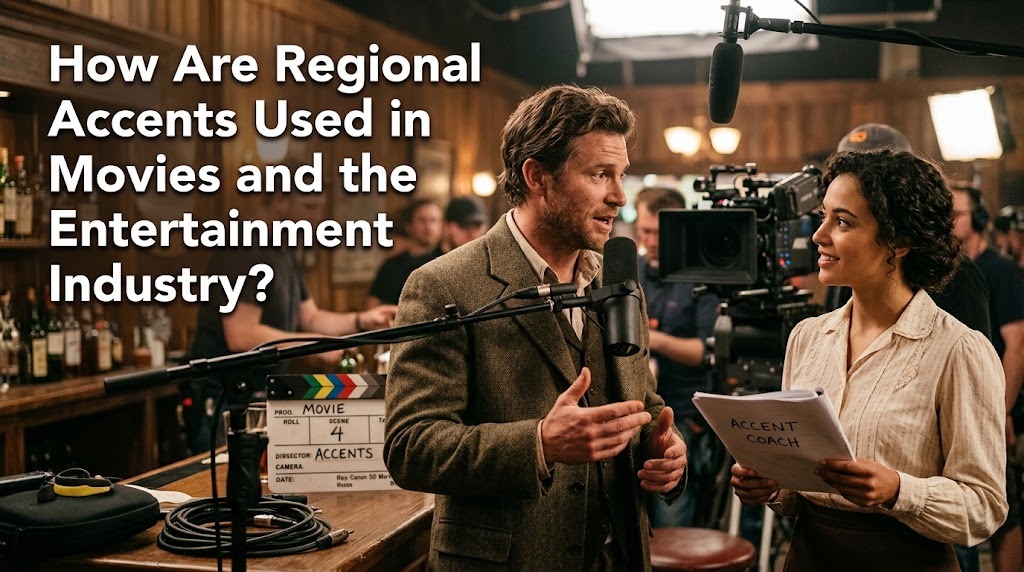
Regional accents play an important role in movies and the entertainment industry because they help make characters sound realistic, represent cultural backgrounds, and create stronger connections with audiences. The way a character speaks can provide clues about their hometown, social environment, and personal experiences. In Indonesia, for example, regional accents such as Javanese, Betawi, Sundanese, and Batak-influenced Indonesian can be heard in films, television shows, comedy performances, and digital content.
Beyond making dialogue sound natural, regional accents can help actors develop believable characters and allow filmmakers to portray the diversity of Indonesian society. They can also add humor, emotional depth, and cultural meaning to a story. However, accents need to be used thoughtfully to avoid stereotypes and ensure that different communities are represented respectfully.
REGIONAL ACCENTS HELP CREATE REALISTIC CHARACTERS
One of the main uses of regional accents in movies is to make characters feel more realistic. In everyday life, people often speak with pronunciation patterns influenced by their local languages and communities. When actors use accents that fit their characters, their dialogue can sound more natural and convincing. This helps audiences imagine that the characters belong to real communities rather than existing only within a fictional story.
For example, a film set in Jakarta may feature characters who use Betawi-influenced speech, while a story set in Central Java may include characters whose Indonesian reflects Javanese pronunciation. These choices can help establish the setting without requiring lengthy explanations. Actors may use their natural accents or learn new pronunciation patterns to suit their roles. The most effective performances balance linguistic authenticity with clear dialogue so that audiences can follow the story.
REGIONAL ACCENTS SHOW CULTURAL IDENTITY
Regional accents can communicate important information about a character's cultural identity. A person's pronunciation may reflect the languages they grew up speaking, the community they belong to, and the places where they have lived. In movies and television, these details can help audiences understand a character's background more quickly. They can also make stories more culturally meaningful by showing how language connects people to their families and communities.
Indonesian entertainment can use regional accents to portray the country's diverse cultural experiences. A story about a family from West Sumatra, for instance, may include speech influenced by Minangkabau, while a story about a community in Bali may incorporate Balinese linguistic features. These details can make the setting and relationships more believable when they are used accurately. However, an accent alone cannot fully define a person's identity, so filmmakers should also develop characters through their actions, values, relationships, and personal histories.
REGIONAL ACCENTS MAKE DIALOGUE MORE NATURAL
Dialogue becomes more convincing when the way characters speak matches their situations and backgrounds. Regional accents can reproduce the natural variations heard in everyday conversations, including pronunciation, intonation, rhythm, and familiar expressions. These features can make interactions between family members, friends, coworkers, and neighbors feel more authentic. They can also help distinguish characters without relying entirely on their appearance or clothing.
In Indonesian films, actors may use regional speech patterns when portraying people who communicate primarily within their local communities. They might also adjust their speech when speaking to someone from another region or participating in a formal situation. This reflects how people often change their communication styles depending on their audience and environment. Such details can improve a film's realism while helping viewers recognize the social relationships between characters.
REGIONAL ACCENTS ARE USED IN COMEDY AND ENTERTAINMENT
Regional accents are frequently used in comedy because differences in pronunciation, expressions, and speaking rhythm can contribute to humorous situations. Comedians may use familiar regional speech patterns to create recognizable characters or portray everyday experiences. Audiences who understand the language and cultural references may find these performances especially relatable. Regional accents can therefore become an important part of a comedian's identity and performance style.
However, accent-based comedy works best when it relies on clever dialogue, relatable situations, and character development rather than mocking a particular community. Exaggerating an accent to suggest that a person is unintelligent or inferior can reinforce harmful stereotypes. Responsible performers distinguish between celebrating a regional way of speaking and making unfair judgments about the people who use it. Humor can bring communities together when it encourages recognition and shared enjoyment rather than discrimination.
REGIONAL ACCENTS HELP ESTABLISH A FILM'S SETTING
Filmmakers use regional accents to help audiences recognize where a story takes place. Alongside scenery, architecture, clothing, and local customs, speech patterns can make a setting feel more distinctive. A character's accent may suggest that they grew up in a particular region, even when the scene provides limited visual information. This can be especially useful in stories that move between cities, villages, or different parts of Indonesia.
For example, a movie about life in Jakarta may feature a mixture of Betawi-influenced speech and Indonesian spoken by people who have migrated from other regions. A story set in a Javanese village may include characters whose speech reflects the local language and community. These choices can help create a stronger sense of place. Filmmakers should nevertheless remember that large cities and regions contain many different accents, so one speech pattern should not automatically be presented as representative of everyone who lives there.
ACTORS LEARN REGIONAL ACCENTS FOR DIFFERENT ROLES
Actors sometimes need to learn a regional accent that differs from their natural way of speaking. This process may involve listening to native speakers, studying recordings, working with dialect coaches, and practicing specific sounds and intonation patterns. Actors may also learn local expressions and conversational habits to understand how their characters would communicate. Careful preparation can help them deliver dialogue that sounds more natural and consistent throughout a production.
Learning an accent requires more than imitating a few noticeable sounds. Actors need to understand how pronunciation changes across words and sentences, as well as how people adjust their speech in different social situations. They should also recognize differences within a region, since age, community, education, and personal experience can influence how someone speaks. Consulting people familiar with the relevant language or community can improve accuracy and reduce the risk of presenting an exaggerated or misleading accent.
REGIONAL ACCENTS IN TELEVISION AND DIGITAL CONTENT
Regional accents are also widely used in television programs, online videos, podcasts, and social media entertainment. Content creators may speak in their natural accents to express their personalities and connect with audiences who share similar linguistic backgrounds. Others use regional speech when performing sketches, creating fictional characters, or discussing local traditions. These forms of entertainment allow regional voices to reach audiences far beyond their original communities.
Digital platforms have made it easier for people to discover accents from different parts of Indonesia. Viewers can watch regional comedy, interviews, short films, and storytelling videos without being limited to programs produced in their own areas. This exposure can increase familiarity with different ways of speaking and encourage appreciation of local cultures. At the same time, creators should consider their audiences and provide context when regional expressions may be unfamiliar to viewers from other backgrounds.
REGIONAL ACCENTS SUPPORT CULTURAL REPRESENTATION
Using regional accents in entertainment can help represent communities that might otherwise receive limited attention in mainstream productions. When films include authentic regional speech, they can show that national culture consists of many different experiences and identities. This representation may help audiences recognize the diversity of their own society and learn about communities they have not encountered personally. It can also give regional actors and storytellers opportunities to share their experiences.
Authentic representation requires more than adding an accent to a character. Filmmakers should consider whether the dialogue, cultural references, setting, and character behavior are consistent with the community being portrayed. Consulting local speakers and cultural experts can help productions avoid inaccurate details. Giving regional characters meaningful roles beyond stereotypes can also make stories more balanced and engaging.
THE CHALLENGES OF USING REGIONAL ACCENTS IN ENTERTAINMENT
Although regional accents can improve authenticity, they can also create challenges for filmmakers and performers. Actors may struggle to reproduce unfamiliar pronunciation consistently, particularly when a role requires a strong accent throughout a long production. Inaccurate pronunciation may distract viewers who speak the relevant language or come from the region being portrayed. Meanwhile, an accent that is difficult for some audiences to understand may require adjustments to the dialogue or performance.
Another challenge is the risk of stereotyping. If a particular accent is repeatedly associated with negative characters, comic relief, or limited intelligence, audiences may develop unfair associations with the communities that use it. Filmmakers can reduce this risk by representing regional speakers in varied roles and portraying them as complex individuals. The aim should be to use accents as meaningful elements of characterization rather than as shortcuts for judging a person's personality or abilities.
CONCLUSION
Regional accents are used in movies and the entertainment industry to create realistic characters, establish settings, express cultural identity, strengthen dialogue, and add humor. They also help represent Indonesia's linguistic diversity in films, television programs, comedy, and digital content. When actors and creators use accents accurately, these speech patterns can make stories more engaging and culturally meaningful.
However, regional accents should be portrayed with care to avoid inaccurate representations and harmful stereotypes. Research, practice, and consultation with local communities can help entertainment professionals present different ways of speaking more authentically. By celebrating regional accents respectfully, the entertainment industry can create more believable stories while encouraging audiences to appreciate the cultural diversity behind the voices they hear.
Recent Posts

Bagaimana Sistem SKS pada Program Kuliah... 22.11.2026/54 View

How Does Technology Make Daily Evaluation... 21.11.2026/83 View

Apa Strategi Menghadapi Kesenjangan antara Kompetensi... 21.11.2026/82 View

Mengapa Inventaris Aset Penting bagi Kelancaran... 21.11.2026/78 View

When Should Musicians Join a Record... 21.11.2026/84 View
