

How Are Regional Government Owned Enterprises Established by Local Governments?
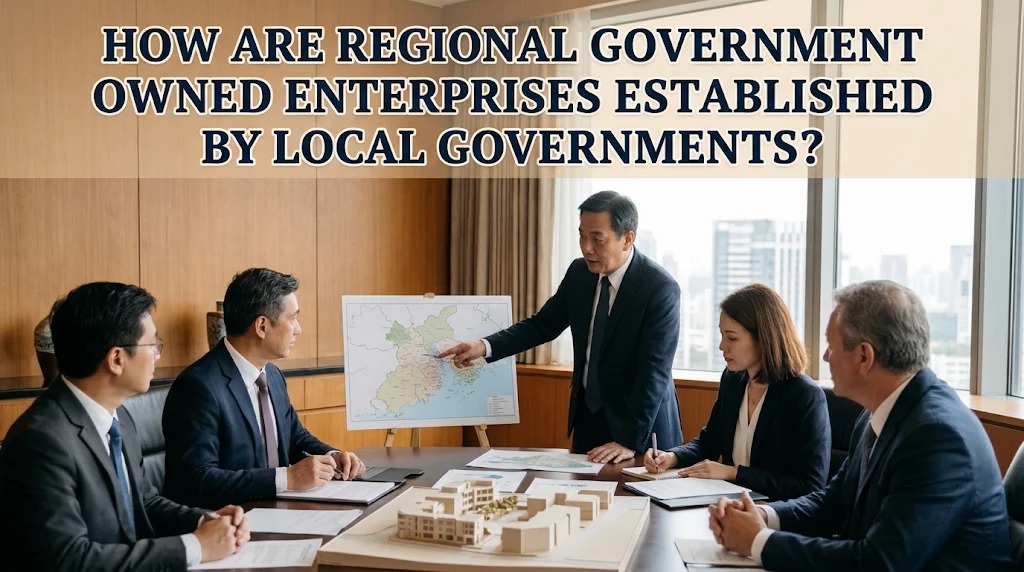
Regional Government-Owned Enterprises, commonly known as BUMD in Indonesia, are established by local governments to manage business activities, provide public services, and support regional economic development. These enterprises play an important role in managing local resources and generating revenue for regional governments. Their establishment is not carried out randomly but must follow legal procedures, financial considerations, and regional development plans.
Local governments need to identify community needs, evaluate business opportunities, and prepare the necessary legal documents before establishing a BUMD. The process also involves determining the type of enterprise, preparing its capital, and establishing a management structure. Understanding these steps helps explain how regional governments create enterprises that can operate professionally and provide long-term benefits.
IDENTIFYING REGIONAL NEEDS AND BUSINESS OPPORTUNITIES
The first step in establishing a Regional Government-Owned Enterprise is identifying the economic and public service needs of the region. Local governments must examine which sectors require better management or additional investment. These sectors may include clean water, transportation, banking, energy, tourism, and regional infrastructure. The selected business should have a clear purpose and provide benefits to the local community.
Local governments also need to evaluate available resources and potential market demand. For example, a region with significant tourism potential may consider establishing an enterprise to manage tourist attractions or supporting facilities. Meanwhile, an area experiencing difficulties with clean water distribution may prioritize a water supply company. This evaluation helps ensure that the proposed enterprise is relevant to regional conditions and has realistic business opportunities.
CONDUCTING A FEASIBILITY STUDY
After identifying potential business opportunities, local governments need to prepare a feasibility study. This study evaluates whether the proposed enterprise can operate successfully from financial, economic, technical, and legal perspectives. It also examines estimated investment costs, potential revenue, operational expenses, and possible business risks. The results help local governments determine whether establishing the enterprise is a reasonable decision.
A feasibility study also considers the potential impact of the business on society and regional development. The government must evaluate whether the enterprise can provide quality services while maintaining financial sustainability. If the study shows that the business has strong potential, the establishment process can continue to the legal and administrative stages. Careful planning reduces the risk of financial losses and ineffective business management.
PREPARING REGIONAL REGULATIONS AND LEGAL DOCUMENTS
The establishment of a BUMD requires a legal foundation through regional regulations, known as Peraturan Daerah or Perda. Under Indonesian Law Number 23 of 2014 concerning Regional Government and Government Regulation Number 54 of 2017 concerning Regional Government-Owned Enterprises, the establishment of a BUMD must follow applicable legal requirements. The regional government must prepare the necessary documents and obtain approval through the appropriate regional legislative process.
The regional regulation generally establishes important matters such as the enterprise's name, objectives, business activities, capital, and legal form. Indonesian BUMD can take the form of a Regional Public Company, known as Perusahaan Umum Daerah or Perumda, or a Regional Limited Liability Company, known as Perusahaan Perseroan Daerah or Perseroda. These two forms have different organizational and ownership characteristics. Establishing a clear legal foundation ensures that the enterprise has a legitimate basis for conducting its business activities.
PROVIDING CAPITAL AND ESTABLISHING THE OWNERSHIP STRUCTURE
Capital is an essential requirement when establishing a Regional Government-Owned Enterprise. Local governments must determine the amount of initial investment needed to support the company's operations and development. Capital may come from regional government investments, transfers of regional assets, or other sources permitted by applicable regulations. The amount should be based on business requirements and the financial capacity of the regional government.
The ownership structure also depends on the legal form of the enterprise. A Perumda has its entire capital owned by one regional government and is not divided into shares. Meanwhile, a Perseroda is established as a limited liability company in which at least 51 percent of its shares are owned by one regional government. Clear capital arrangements and ownership structures help establish accountability and define the government's role in supervising the enterprise.
APPOINTING MANAGEMENT AND PREPARING BUSINESS OPERATIONS
Once the legal and capital arrangements have been established, the local government needs to prepare the enterprise's management structure. This includes appointing qualified directors and establishing the necessary supervisory or commissioner positions according to the enterprise's legal form. Management personnel should have relevant experience, professional skills, and a strong understanding of business operations. Their responsibilities include managing daily activities, implementing business strategies, and maintaining financial performance.
The enterprise must also prepare operational plans before starting its activities. These plans may include employee recruitment, infrastructure preparation, financial systems, service standards, and business development strategies. Effective management is important because the enterprise must balance commercial objectives with public responsibilities. With professional leadership and proper planning, a BUMD can operate more efficiently and deliver meaningful benefits to the region.
CONCLUSION
Regional Government-Owned Enterprises are established through several important stages, starting with identifying regional needs and evaluating business opportunities. Local governments must then conduct feasibility studies, prepare regional regulations, provide capital, and establish an appropriate ownership structure. The final stages involve appointing professional management and preparing business operations.
These procedures ensure that BUMD have a clear legal foundation, realistic business objectives, and sufficient resources. By following applicable regulations and maintaining effective supervision, local governments can establish enterprises that improve public services, create employment opportunities, and increase regional revenue.
Recent Posts

Bagaimana Sistem SKS pada Program Kuliah... 22.11.2026/35 View

How Does Technology Make Daily Evaluation... 21.11.2026/69 View

Apa Strategi Menghadapi Kesenjangan antara Kompetensi... 21.11.2026/70 View

Mengapa Inventaris Aset Penting bagi Kelancaran... 21.11.2026/67 View

When Should Musicians Join a Record... 21.11.2026/69 View
