

How Can a School Committee Monitor the Use of Educational Funds?
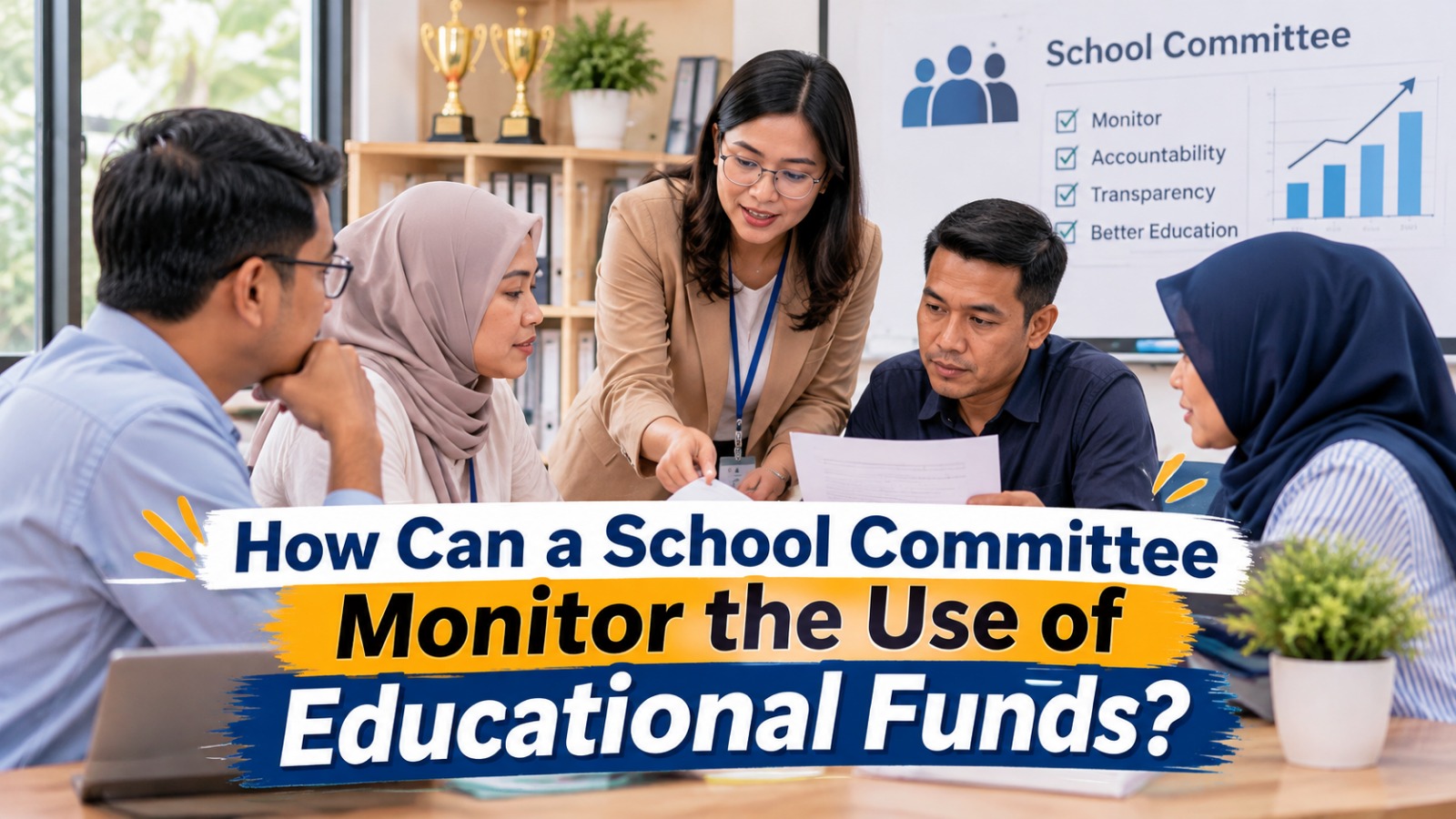
Educational funds play an important role in improving the quality of education and supporting school development. These funds are used to provide learning materials, maintain school facilities, improve teaching quality, and support student activities. However, managing educational funds requires proper supervision to ensure that every expense is used responsibly and benefits the school community. A school committee has an important role in monitoring how these funds are managed, distributed, and spent. Through transparency, regular evaluation, and effective communication, school committees can help prevent financial misuse and ensure that educational resources are used according to school needs.
UNDERSTANDING THE ROLE OF A SCHOOL COMMITTEE IN FINANCIAL MONITORING
A school committee is a group of representatives from parents, community members, and other stakeholders who help support school development. One of its important responsibilities is overseeing the management of educational funds. This includes understanding the school's financial plans, reviewing spending priorities, and ensuring that allocated budgets support educational activities. The committee also helps maintain communication between the school and the community regarding financial decisions.
In addition, school committees can encourage financial accountability by asking school management to provide clear explanations about how funds are used. They do not necessarily manage the school's daily financial transactions, but they can monitor whether spending follows approved plans and applicable regulations. This responsibility helps create a more transparent and trustworthy educational environment.
REVIEWING THE SCHOOL BUDGET AND FINANCIAL PLAN
One effective way to monitor educational funds is by reviewing the school's annual budget and financial plan. These documents explain how much money the school receives and how it intends to spend the available resources. A school committee should examine whether the proposed budget reflects the school's actual needs, such as classroom improvements, learning equipment, teacher development, and student support programs. This process helps identify spending priorities and prevents unnecessary expenses.
The committee should also compare the approved budget with actual spending throughout the school year. If certain expenses exceed the original allocation, school management should provide reasonable explanations and supporting documents. By conducting regular budget reviews, the committee can identify financial problems early and encourage better financial planning.
CHECKING FINANCIAL REPORTS AND EXPENDITURE RECORDS
Financial reports are essential tools for monitoring how educational funds are used. A school committee should regularly review reports containing information about income, expenses, remaining balances, and financial activities. These reports should be supported by relevant documents, including receipts, invoices, payment records, and other transaction evidence. Proper documentation makes it easier to verify whether financial transactions are accurate and legitimate.
The committee can also compare financial reports with the school's actual activities and purchased items. For example, if the school reports spending money on new computers, committee members can check whether the equipment has been received and is available for educational purposes. This practice helps reduce the risk of financial irregularities, inaccurate reporting, and misuse of school resources.
CONDUCTING REGULAR SCHOOL FINANCIAL INSPECTIONS
Regular financial inspections help school committees understand whether educational funds are being used according to their intended purposes. These inspections can involve checking purchased equipment, renovated classrooms, library materials, and other facilities funded by the school budget. Committee members can compare the reported expenses with the actual condition of the facilities and resources. This approach provides a clearer picture of how financial decisions affect the learning environment.
Inspections should be conducted objectively and based on available evidence. If the committee discovers missing equipment, incomplete projects, or expenses that cannot be properly explained, it should request clarification from the responsible school officials. Any concerns should be documented and addressed through appropriate procedures. Regular inspections strengthen financial transparency and encourage responsible spending.
ENSURING TRANSPARENCY THROUGH COMMUNITY PARTICIPATION
Community participation is important because educational funds directly affect students, parents, teachers, and the wider school environment. School committees can organize meetings to explain financial plans, discuss spending priorities, and share relevant financial information with parents and community representatives. These meetings give stakeholders an opportunity to understand how school resources are managed. They also create opportunities for constructive feedback and suggestions.
Furthermore, schools can provide accessible financial summaries through official communication channels, such as notice boards, newsletters, or school websites. Information should be presented in simple language so that parents can understand the school's financial activities. However, personal information and confidential financial details must still be protected. By encouraging community involvement, schools can build stronger public trust and improve financial accountability.
MONITORING THE USE OF GOVERNMENT EDUCATIONAL ASSISTANCE
Many schools receive financial assistance from the government to support educational activities and improve learning facilities. For example, in Indonesia, the School Operational Assistance Program (BOS) helps eligible schools finance operational needs according to applicable regulations. School committees can monitor whether these funds are used for approved activities and whether the spending supports students' educational needs. This includes checking budget plans, financial reports, and supporting transaction documents.
The committee should also pay attention to current government guidelines regarding fund allocation, reporting, and financial accountability. If there are changes in regulations, school management needs to adjust its financial practices accordingly. Monitoring government assistance carefully helps prevent inappropriate spending and ensures that public funds provide meaningful benefits to students.
IDENTIFYING AND PREVENTING FINANCIAL MISUSE
Preventing financial misuse requires careful monitoring and clear financial procedures. School committees should pay attention to warning signs such as unexplained expenses, missing receipts, repeated payments, unusual price differences, or purchases that do not match the approved budget. These situations do not automatically indicate fraud, but they should be examined carefully. School management should provide supporting evidence and explanations whenever financial concerns arise.
The committee can also encourage schools to establish clear procedures for purchasing goods, approving payments, and recording financial transactions. When necessary, suspected irregularities should be reported through the appropriate school governance or official oversight channels. Maintaining proper records and encouraging ethical financial practices can reduce opportunities for corruption and strengthen financial integrity.
EVALUATING THE EFFECTIVENESS OF EDUCATIONAL FUND SPENDING
Monitoring educational funds should not focus only on how much money has been spent. School committees should also evaluate whether the spending has produced positive results for students and teachers. For example, purchasing new learning materials should improve access to educational resources, while renovating classrooms should create a safer and more comfortable learning environment. Evaluating these results helps determine whether financial decisions have achieved their intended objectives.
The committee can collect feedback from teachers, students, parents, and school administrators to understand the impact of funded programs. It can also compare school conditions before and after specific projects are completed. If certain programs do not provide the expected benefits, the committee can recommend improvements for future budgets. This evaluation supports effective resource management and ensures that educational funds contribute to long-term school development.
BUILDING COOPERATION BETWEEN SCHOOL COMMITTEES AND SCHOOL MANAGEMENT
Effective financial monitoring requires good cooperation between school committees and school management. Both parties should maintain open communication and share relevant information about financial plans, spending decisions, and school development priorities. School administrators should provide accurate financial reports, while committee members should offer constructive feedback and monitor financial activities objectively. This cooperation helps prevent misunderstandings and encourages responsible decision-making.
Regular coordination meetings can also help identify financial challenges and determine suitable solutions. When both parties understand their responsibilities, financial supervision becomes more organized and effective. Most importantly, cooperation should be based on honesty, mutual respect, and a shared commitment to improving educational quality.
CONCLUSION
A school committee can monitor the use of educational funds through several important activities, including reviewing budgets, checking financial reports, conducting inspections, encouraging community participation, and evaluating spending results. These practices help ensure that school resources are managed transparently, responsibly, and according to educational priorities. The committee also plays an important role in identifying potential financial misuse and encouraging compliance with applicable regulations.
Ultimately, effective financial monitoring requires cooperation between school committees, school management, parents, and the wider community. When educational funds are managed properly, schools can improve their facilities, provide better learning resources, and create more opportunities for students. Therefore, strong financial supervision is essential for building a transparent, accountable, and high-quality education system.
Recent Posts

Bagaimana Sistem SKS pada Program Kuliah... 22.11.2026/25 View

How Does Technology Make Daily Evaluation... 21.11.2026/64 View

Apa Strategi Menghadapi Kesenjangan antara Kompetensi... 21.11.2026/65 View

Mengapa Inventaris Aset Penting bagi Kelancaran... 21.11.2026/62 View

When Should Musicians Join a Record... 21.11.2026/61 View
