

How Can a Vice Principal Create a Disciplined and Positive School Environment?
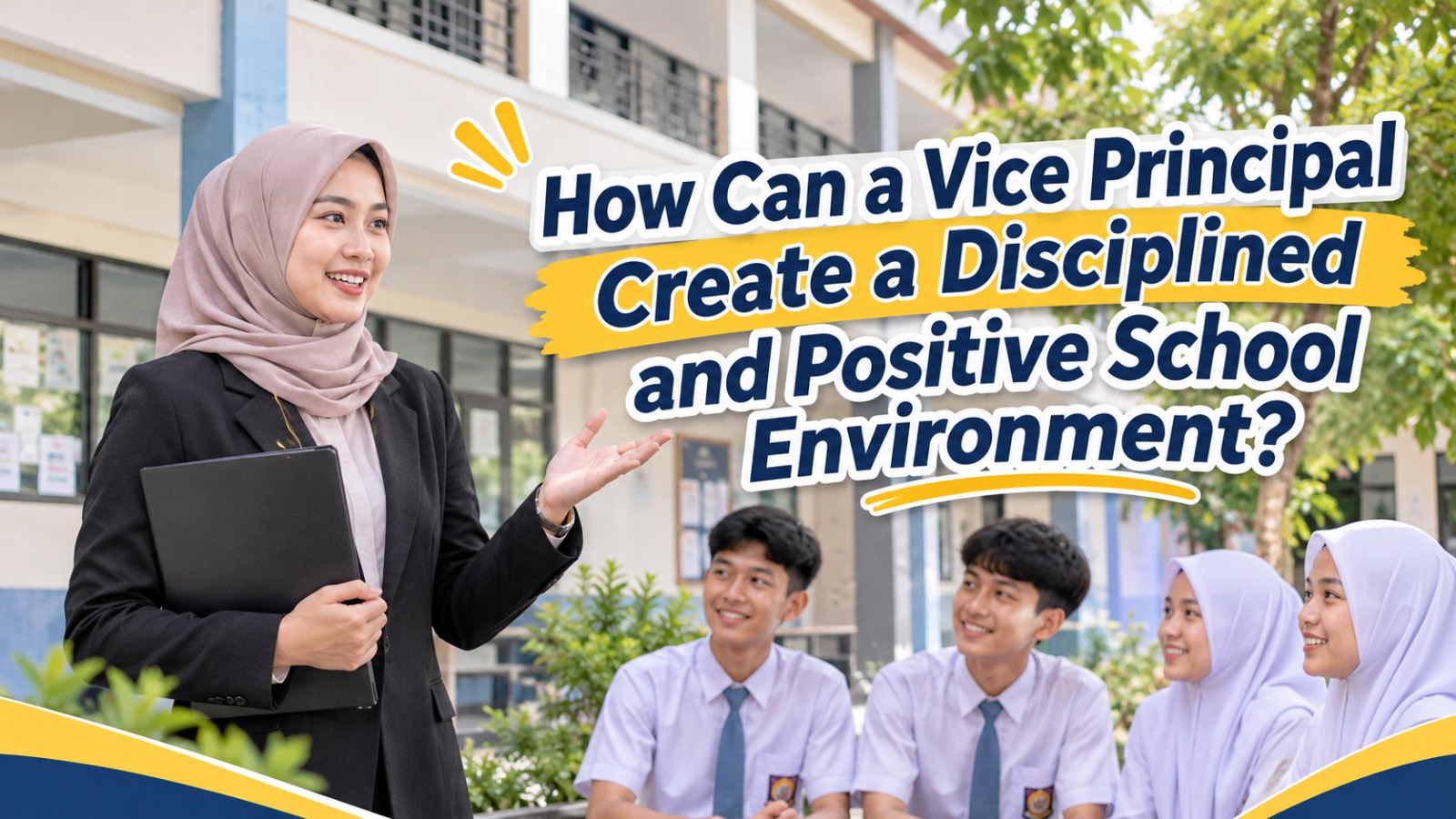
A disciplined and positive school environment is essential for supporting effective teaching and learning activities. Students need a school atmosphere that encourages responsibility, respect, cooperation, and good behavior. In achieving this goal, a vice principal has an important role in helping the principal manage school activities, supervise student behavior, and establish policies that support a healthy educational environment. A vice principal must ensure that school rules are implemented fairly while maintaining positive relationships with students, teachers, and parents. Through effective leadership, consistent supervision, and good communication, a vice principal can create a school environment where students feel safe, comfortable, and motivated to learn.
ESTABLISHING CLEAR AND CONSISTENT SCHOOL RULES
One of the most important ways a vice principal can create a disciplined school environment is by establishing clear and consistent school rules. Every student needs to understand the expectations regarding attendance, classroom behavior, school uniforms, cleanliness, and respect for others. These rules should be communicated clearly so students know what behaviors are acceptable and what consequences may follow when they break school regulations. A vice principal should also work with teachers and school staff to ensure that the rules are applied consistently.
Furthermore, school regulations should be designed to encourage positive behavior rather than simply control students. Students need to understand the reasons behind each rule so they can recognize the importance of discipline in their daily lives. For example, arriving at school on time teaches responsibility, while keeping classrooms clean develops awareness of the surrounding environment. When students understand and follow these expectations, discipline becomes a habit rather than an obligation.
BUILDING POSITIVE RELATIONSHIPS WITH STUDENTS
A positive school environment cannot be created through strict regulations alone. A vice principal also needs to develop good relationships with students by showing respect, understanding, and genuine concern for their needs. Students are more likely to follow school rules when they feel that school leaders listen to their opinions and treat them fairly. Therefore, a vice principal should maintain open communication and provide opportunities for students to express their concerns, experiences, and suggestions.
In addition, a vice principal should understand that every student has different personalities, backgrounds, and challenges. Some students may experience difficulties at home, struggle academically, or have problems interacting with classmates. Instead of immediately giving punishment, the vice principal should identify the causes of inappropriate behavior and provide suitable guidance. This approach helps students feel supported while encouraging them to take responsibility for their actions. Strong relationships can also build trust between students and school leaders, making it easier to maintain a positive school atmosphere.
IMPLEMENTING FAIR AND EDUCATIONAL DISCIPLINARY MEASURES
Discipline is important for maintaining order, but disciplinary actions must be implemented fairly, consistently, and appropriately. A vice principal should ensure that students receive consequences based on the seriousness of their actions and the school's established regulations. Different violations may require different responses, such as verbal warnings, counseling, written agreements, or meetings with parents. The purpose of these measures should be to correct behavior and prevent similar problems from happening again.
Moreover, disciplinary actions should help students understand the impact of their behavior on themselves and others. For example, students who damage school property can be encouraged to participate in appropriate restorative activities, while students involved in conflicts can receive guidance on resolving disagreements peacefully. A vice principal should avoid humiliating students or using punishment that harms their dignity. By applying educational discipline, students can develop self-control, honesty, accountability, and respect for school rules.
ENCOURAGING TEACHER PARTICIPATION AND POSITIVE SCHOOL CULTURE
Teachers play a major role in creating a disciplined and positive school environment because they interact with students every day. Therefore, a vice principal needs to encourage cooperation between teachers and school management to maintain consistent standards of behavior. Regular meetings can be used to discuss student discipline, classroom challenges, and effective ways to encourage positive attitudes. Teachers should also receive support in managing classrooms and handling student conflicts.
A positive school culture can also be developed through activities that promote teamwork, responsibility, and mutual respect. For example, schools can organize cleanliness campaigns, student leadership programs, character education activities, and collaborative projects. Teachers can recognize students who demonstrate good behavior, academic improvement, and helpful attitudes toward others. Recognition does not always need to involve prizes because simple appreciation can motivate students to maintain positive habits. When teachers and school leaders work together, discipline becomes a shared responsibility throughout the school community.
PREVENTING BULLYING AND CREATING A SAFE SCHOOL ENVIRONMENT
A disciplined school environment must also provide safety and protection for every student. Bullying, intimidation, discrimination, and physical or verbal violence can negatively affect students' emotional well-being and academic performance. A vice principal should work with teachers, counselors, and other school staff to establish effective procedures for preventing and responding to these problems. Students should know how to report bullying and understand that every complaint will be taken seriously.
In addition, schools need to develop preventive programs that encourage empathy, tolerance, and respect for differences. Classroom discussions, counseling sessions, anti-bullying campaigns, and student awareness activities can help students understand the consequences of harmful behavior. A vice principal should also ensure that reported incidents are handled carefully, protect affected students, and involve parents when necessary. Regular supervision of classrooms, school corridors, playgrounds, and other areas can help identify potential problems early. These efforts create a safer environment where students can participate in learning activities without fear.
DEVELOPING STUDENT RESPONSIBILITY THROUGH POSITIVE ACTIVITIES
Another effective strategy is encouraging students to develop responsibility through school activities. A vice principal can support extracurricular programs, student organizations, leadership training, sports competitions, and community service activities. These programs provide opportunities for students to practice discipline, cooperation, communication, and decision-making. Through participation, students learn that positive behavior is important not only in the classroom but also in their relationships and daily activities.
Furthermore, students can be involved in activities that strengthen their sense of belonging to the school community. For example, they can participate in environmental campaigns, classroom cleanliness programs, peer-support activities, and student-led events. A vice principal can coordinate with teachers and student organizations to ensure that these programs have clear objectives and appropriate supervision. Students who are trusted with responsibilities often become more independent and confident. By providing meaningful opportunities for participation, a vice principal can help students develop good character and contribute to a positive school culture.
CONCLUSION
A vice principal plays an essential role in creating a disciplined and positive school environment through effective leadership, consistent supervision, and cooperation with the entire school community. Important strategies include establishing clear school rules, building positive relationships with students, implementing fair disciplinary measures, and encouraging teacher participation. Preventing bullying and providing opportunities for student development are also necessary to maintain a safe and supportive learning atmosphere.
Creating a positive school environment requires more than enforcing regulations. It involves helping students understand the importance of responsibility, respect, honesty, discipline, and cooperation. When school leaders, teachers, students, and parents work together, discipline can become part of everyday school culture. As a result, students can enjoy a safer learning environment, develop positive character, and achieve better academic and personal growth.
Recent Posts

Bagaimana Sistem SKS pada Program Kuliah... 22.11.2026/21 View

How Does Technology Make Daily Evaluation... 21.11.2026/63 View

Apa Strategi Menghadapi Kesenjangan antara Kompetensi... 21.11.2026/65 View

Mengapa Inventaris Aset Penting bagi Kelancaran... 21.11.2026/62 View

When Should Musicians Join a Record... 21.11.2026/60 View
