

How Can a Vice Principal Improve Student Discipline and Learning Motivation?
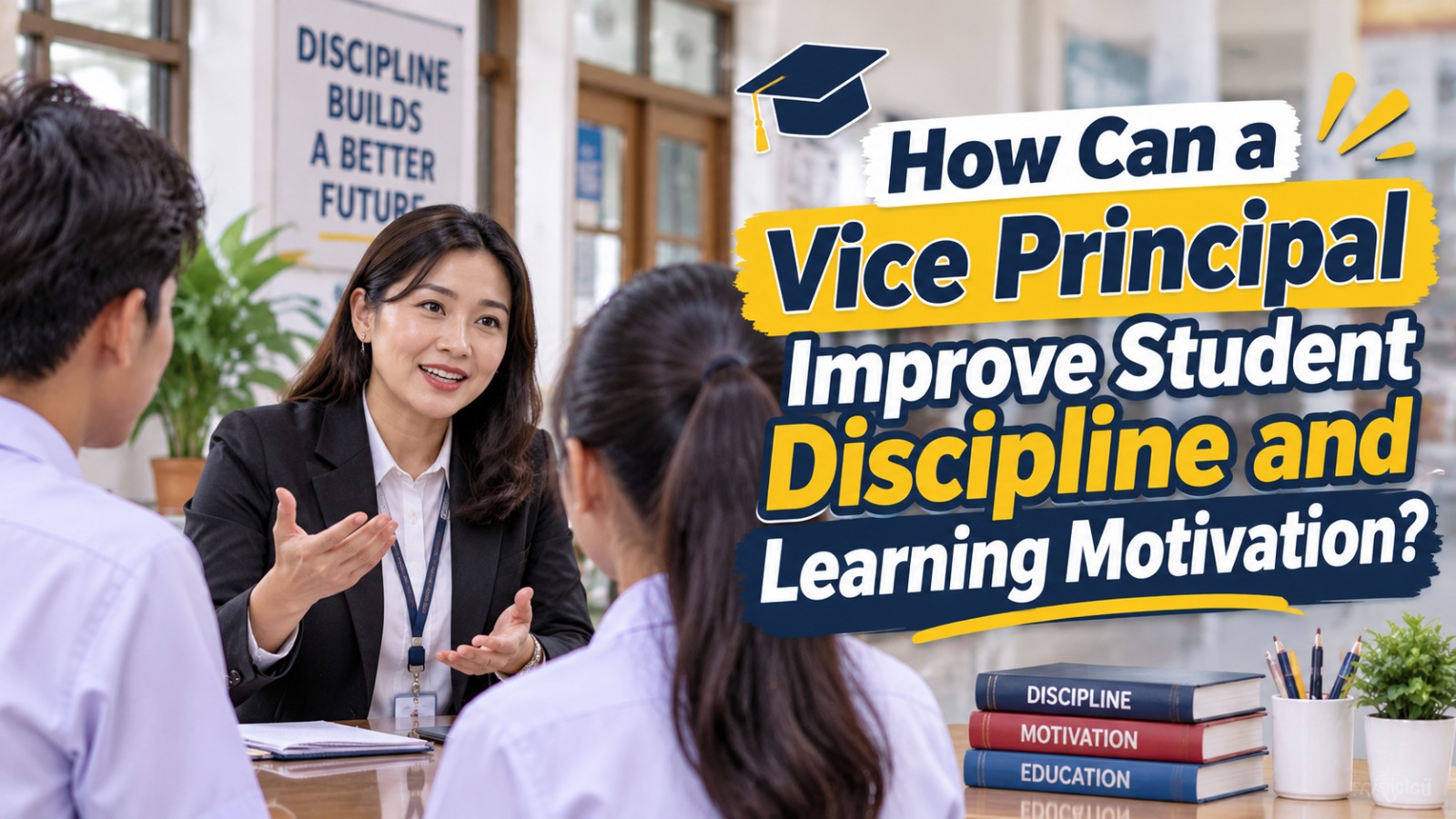
Student discipline and learning motivation are two important factors that influence educational success. Students who demonstrate good discipline are more likely to manage their time, follow school regulations, and complete their academic responsibilities. Meanwhile, strong learning motivation encourages students to participate actively, overcome challenges, and achieve their educational goals. A vice principal has an important role in developing these qualities by creating supportive school policies, supervising student behavior, and encouraging positive learning habits. Through effective leadership, communication, and cooperation with teachers and parents, a vice principal can help students become more responsible, motivated, and prepared for their future.
ESTABLISHING CLEAR SCHOOL RULES AND DISCIPLINARY STANDARDS
One effective way to improve student discipline is by establishing clear and consistent school regulations. A vice principal needs to ensure that students understand the rules regarding attendance, punctuality, uniforms, classroom behavior, and respect for teachers and classmates. These regulations provide clear expectations and help students understand their responsibilities within the school environment. When rules are communicated properly, students can recognize which behaviors are acceptable and which actions may lead to disciplinary consequences.
However, school rules should not only focus on punishment. A vice principal should explain the purpose of each regulation so students understand how discipline benefits their education and personal development. For example, arriving on time teaches students to respect schedules, while completing assignments develops responsibility and independence. Teachers should also apply school regulations consistently to prevent unfair treatment. Through clear expectations and positive guidance, students can gradually develop discipline as part of their daily habits.
CREATING A POSITIVE AND SUPPORTIVE LEARNING ENVIRONMENT
A comfortable and supportive school environment can encourage students to become more disciplined and motivated. A vice principal should help create an atmosphere where students feel safe, respected, and appreciated. Positive school environments allow students to express their opinions, ask questions, and participate in learning activities without unnecessary fear or pressure. Students who feel supported are generally more willing to engage in classroom activities and develop positive relationships with others.
Furthermore, the vice principal should encourage teachers to create interactive and inclusive classrooms. Learning activities should provide opportunities for students with different abilities and backgrounds to participate. Schools can also organize character education programs, classroom cleanliness campaigns, and activities that promote cooperation and mutual respect. When students feel that they belong to a supportive school community, they are more likely to follow school rules and develop stronger motivation to learn.
PROVIDING MOTIVATION AND RECOGNIZING STUDENT ACHIEVEMENTS
Students need encouragement to maintain their interest in learning, especially when they experience academic difficulties. A vice principal can improve student learning motivation by recognizing achievements, appreciating effort, and encouraging students to set realistic educational goals. Recognition does not always have to involve expensive rewards or formal awards. Simple appreciation from teachers and school leaders can make students feel valued and encourage them to continue improving.
In addition, schools can organize academic competitions, achievement programs, student exhibitions, and motivational activities. These programs give students opportunities to demonstrate their abilities and discover new interests. A vice principal can also encourage students to understand that academic success is not only measured by high grades but also by progress, consistency, creativity, and personal improvement. By appreciating both achievements and effort, schools can help students develop a positive attitude toward learning.
STRENGTHENING TEACHER GUIDANCE AND STUDENT PARTICIPATION
Teachers have direct relationships with students during daily learning activities, making their involvement essential in improving discipline and motivation. A vice principal should encourage collaboration between teachers and school management to identify student difficulties and develop appropriate solutions. Regular discussions can help teachers share information about attendance, classroom participation, academic performance, and behavioral changes. This cooperation allows the school to respond to problems before they become more serious.
Student participation is also important because students need opportunities to take responsibility for their own learning environment. A vice principal can support student organizations, classroom leadership, peer-support programs, and school committees. Through these activities, students learn how to cooperate, communicate, and contribute to school development. Giving students meaningful responsibilities can strengthen their sense of ownership and encourage them to follow school regulations. As a result, discipline becomes a shared responsibility rather than something imposed entirely by school authorities.
PROVIDING GUIDANCE AND ADDRESSING STUDENT LEARNING DIFFICULTIES
Some students experience low motivation because of academic pressure, personal problems, learning difficulties, or a lack of confidence. A vice principal needs to recognize these challenges and coordinate with guidance and counseling teachers to provide appropriate support. Student guidance and counseling can help identify the reasons behind poor behavior, declining academic performance, or reduced interest in learning. Students should be given opportunities to discuss their difficulties in a supportive and confidential environment.
After identifying the problems, the school can provide suitable assistance based on each student's needs. For example, students who struggle with certain subjects may receive remedial lessons or additional tutoring. Those experiencing emotional or social difficulties may need counseling and communication with their parents. A vice principal should also ensure that students who make mistakes receive educational guidance rather than being immediately labeled as problematic. By addressing the causes of difficulties, schools can help students regain confidence, improve their behavior, and develop stronger learning motivation.
EVALUATING STUDENT PROGRESS AND BUILDING PARENT COLLABORATION
Improving discipline and motivation requires continuous monitoring and evaluation. A vice principal can work with teachers to review student attendance, academic performance, classroom participation, and behavioral development. These indicators help schools understand whether their programs are producing positive changes. Regular evaluations also make it easier to identify students who need additional attention or support.
Parents should also be involved because student discipline and learning habits are influenced by both school and family environments. A vice principal can maintain communication with parents through meetings, progress reports, and individual discussions when necessary. Teachers and parents can exchange information about students' behavior and establish consistent expectations between home and school. In addition, the school can provide recommendations to help parents support children's study schedules and daily responsibilities. Through continuous evaluation and strong cooperation with families, schools can create long-term improvements in student discipline and motivation.
CONCLUSION
A vice principal can improve student discipline and learning motivation through clear school regulations, positive learning environments, achievement recognition, and effective teacher guidance. Providing counseling services and addressing individual learning difficulties are also important strategies for helping students overcome personal and academic challenges. Furthermore, continuous evaluation and collaboration with parents can strengthen the effectiveness of school programs.
Improving student discipline and motivation requires more than enforcing rules or giving rewards. It involves developing responsibility, self-confidence, independence, and a positive attitude toward learning. When vice principals, teachers, parents, and students work together, schools can create an environment that encourages good behavior and academic progress. With consistent support and effective leadership, students can become more disciplined, motivated, and prepared to achieve their future goals.
Recent Posts

Bagaimana Sistem SKS pada Program Kuliah... 22.11.2026/12 View

How Does Technology Make Daily Evaluation... 21.11.2026/63 View

Apa Strategi Menghadapi Kesenjangan antara Kompetensi... 21.11.2026/64 View

Mengapa Inventaris Aset Penting bagi Kelancaran... 21.11.2026/61 View

When Should Musicians Join a Record... 21.11.2026/59 View
