

How Can a Vice Principal of Public Relations Improve a School's Reputation in the Digital Era?
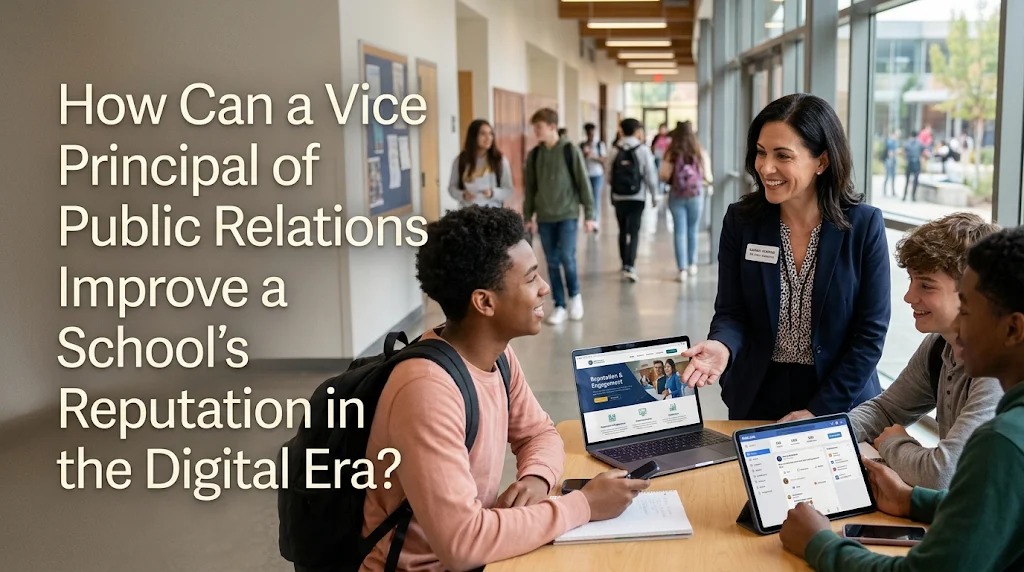
The digital era has changed how people communicate, access information, and evaluate educational institutions. Today, parents, students, and the wider community can learn about a school's activities, achievements, and reputation through websites, social media, and other online platforms. Therefore, maintaining a positive school image requires effective digital communication and responsible information management.
A Vice Principal of Public Relations plays an important role in building and maintaining a school's reputation in the digital era. This position involves sharing accurate information, managing online communication, promoting school achievements, and maintaining good relationships with the public. With the right strategies, schools can increase public trust and create a positive impression among prospective students and parents.
UNDERSTANDING THE IMPORTANCE OF DIGITAL SCHOOL REPUTATION
A school's digital reputation refers to how the public perceives an educational institution through information available on the internet. People often check social media accounts, official websites, online reviews, and digital publications before deciding whether a school meets their expectations. Positive and informative online content can help schools introduce their educational programs and demonstrate their achievements.
A Vice Principal of Public Relations must understand that a school's online image influences public confidence. Inaccurate information, negative comments, or poor communication can create misunderstandings if they are not handled properly. Therefore, maintaining a consistent and professional digital presence is essential for strengthening the school's credibility.
OPTIMIZING OFFICIAL WEBSITES AND SOCIAL MEDIA
Official websites and social media platforms are important communication tools for schools. A Vice Principal of Public Relations can ensure that these platforms provide updated information about educational programs, admission procedures, school facilities, student activities, and institutional achievements. Content should be presented clearly so that visitors can easily find the information they need.
Social media platforms such as Instagram, Facebook, TikTok, and YouTube can also help schools reach wider audiences. Schools can share educational videos, student accomplishments, event documentation, and useful announcements. Regular updates make the institution more visible and help parents and prospective students understand its educational environment. All published content should maintain professional standards and protect students' privacy.
PROMOTING SCHOOL ACHIEVEMENTS AND POSITIVE ACTIVITIES
Sharing school achievements is an effective way to build public confidence. The Vice Principal of Public Relations can promote students' academic accomplishments, competition results, extracurricular activities, teacher achievements, and community service programs. These stories demonstrate the school's commitment to education and student development.
However, promotional content should remain informative and realistic. Schools should present achievements accurately without exaggerating results or making misleading claims. Highlighting different aspects of school life also helps the public understand that educational success involves more than academic scores. Consistent and authentic publications can gradually strengthen the school's reputation.
BUILDING PUBLIC TRUST THROUGH RESPONSIBLE DIGITAL COMMUNICATION
Public trust depends on how schools communicate information and respond to online interactions. A Vice Principal of Public Relations should ensure that announcements, statements, and other digital publications are accurate, respectful, and easy to understand. Parents and community members should also have opportunities to ask questions and receive appropriate responses.
When negative comments or complaints appear on social media, the school should respond calmly and professionally. The vice principal needs to verify the information before providing explanations and coordinate with relevant school staff when necessary. Personal information about students, parents, and teachers must remain protected. Responsible communication helps prevent misunderstandings and demonstrates that the school takes public concerns seriously.
USING DIGITAL STRATEGIES TO REACH PROSPECTIVE STUDENTS
Digital platforms provide opportunities for schools to introduce themselves to prospective students and their parents. A Vice Principal of Public Relations can develop informative campaigns that explain admission requirements, available study programs, extracurricular activities, facilities, and other educational opportunities. Attractive videos, virtual school tours, and student testimonials can help audiences understand the school's environment.
Search engine optimization can also improve the visibility of official school information. By using relevant keywords, clear page titles, informative articles, and regularly updated website content, schools can make their websites easier to discover through search engines. These strategies should focus on providing useful information rather than simply attracting website visitors. This approach can help schools reach audiences who are actively looking for educational institutions.
EVALUATING DIGITAL PERFORMANCE AND MAINTAINING CONSISTENCY
Improving a school's reputation requires continuous evaluation. A Vice Principal of Public Relations can monitor website traffic, social media engagement, audience feedback, and the performance of digital campaigns. These indicators help the school understand which types of content attract attention and which communication strategies need improvement.
Consistency is equally important. Schools should maintain a regular publication schedule, use appropriate communication styles, and ensure that information across different platforms remains accurate. Cooperation with teachers, administrative staff, and school management is also necessary to maintain reliable content. By evaluating results and improving digital strategies, schools can develop a stronger and more sustainable online reputation.
CONCLUSION
A Vice Principal of Public Relations can improve a school's reputation in the digital era through professional online communication, effective social media management, achievement promotion, and responsible information sharing. Optimizing official websites and using appropriate digital marketing strategies can also help schools reach wider audiences.
A positive digital reputation cannot be built through attractive content alone. It requires honesty, consistency, transparency, and continuous cooperation with the school community. By applying these principles, a Vice Principal of Public Relations can strengthen public trust, increase school visibility, and create a positive institutional image in the increasingly connected digital world.
Recent Posts

How Does Technology Make Daily Evaluation... 21.11.2026/63 View

Apa Strategi Menghadapi Kesenjangan antara Kompetensi... 21.11.2026/64 View

Mengapa Inventaris Aset Penting bagi Kelancaran... 21.11.2026/60 View

When Should Musicians Join a Record... 21.11.2026/59 View

Daily Evaluation or Daily Planning Which... 21.11.2026/67 View
