

How Can a Vice Principal of Public Relations Use Social Media to Promote a School?
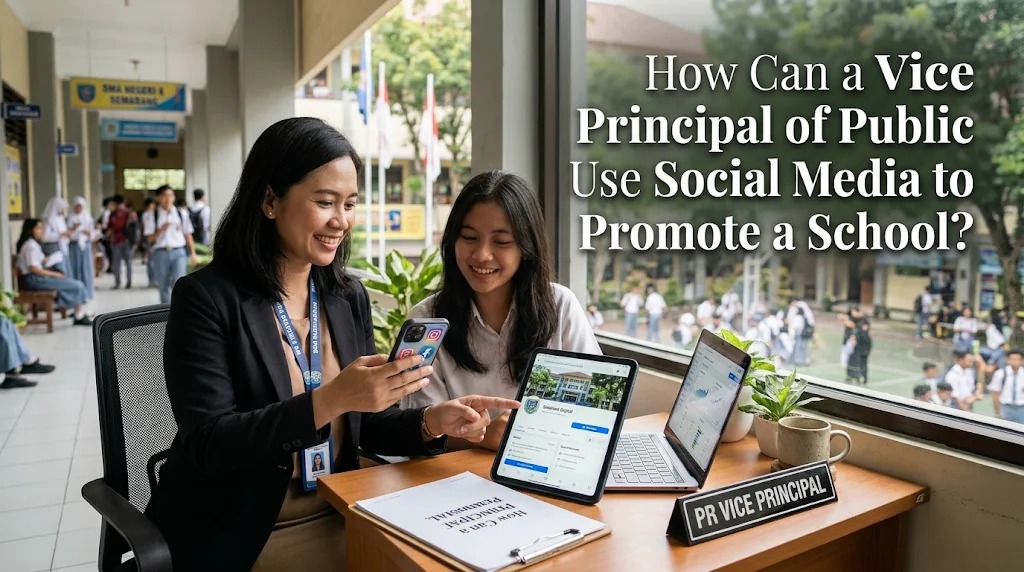
Social media has become an important communication tool for educational institutions. Schools can use platforms such as Instagram, Facebook, TikTok, and YouTube to share information, introduce educational programs, and show student achievements. A Vice Principal of Public Relations plays an important role in managing these platforms so that school information reaches the public effectively. With the right strategy, social media can help schools build a positive image, attract prospective students, and strengthen relationships with parents and the community.
CREATING INTERESTING AND INFORMATIVE SCHOOL CONTENT
One way a Vice Principal of Public Relations can use social media is by publishing interesting and informative content about school activities. Posts can include classroom activities, extracurricular programs, student achievements, competitions, and educational events. This content helps parents and prospective students understand what happens inside the school. It also gives the public a clearer picture of the school's learning environment and educational values.
Content should be presented in a simple, attractive, and easy-to-understand format. Photos, short videos, infographics, and brief explanations can make school information more engaging. However, every publication should be checked to ensure that the information is accurate and appropriate. Consistent content can help maintain audience interest and make the school's social media accounts more useful.
PROMOTING SCHOOL PROGRAMS AND ACHIEVEMENTS
Social media provides an opportunity to introduce school programs to a wider audience. The Vice Principal of Public Relations can share information about academic programs, extracurricular activities, student competitions, teacher development, and special events. These publications help people recognize the school's strengths and understand the opportunities available to students. They can also encourage prospective students and parents to learn more about the institution.
Student and teacher achievements should also receive attention. For example, schools can publish stories about competition winners, creative projects, community activities, and academic accomplishments. Presenting these achievements can motivate students and create a sense of pride within the school community. It is important to obtain appropriate permission before publishing photographs, videos, or personal information involving students.
BUILDING COMMUNICATION WITH PARENTS AND THE COMMUNITY
Social media allows schools to communicate with parents and community members more easily. Important announcements about school schedules, events, admissions, and educational activities can be shared through official accounts. Parents can also use these platforms to ask questions or obtain additional information. This communication helps reduce misunderstandings and makes school information more accessible.
A Vice Principal of Public Relations should also encourage respectful interaction with followers. Comments and messages need to be monitored so that questions can receive appropriate responses. If a concern requires detailed discussion or involves sensitive information, it should be handled through a more suitable private communication channel. Good interaction helps create a welcoming online environment and strengthens relationships between schools and their stakeholders.
MAINTAINING A PROFESSIONAL AND POSITIVE SCHOOL IMAGE
The way a school communicates on social media can influence how the public views the institution. Therefore, the Vice Principal of Public Relations should maintain a consistent and professional communication style. This includes using appropriate language, clear captions, relevant images, and accurate information. School logos, colors, and visual identity can also be used consistently to make official accounts easier to recognize.
Professional communication also means responding carefully to criticism and public concerns. The school should avoid emotional arguments, misleading statements, or unnecessary conflicts in comment sections. When incorrect information appears, the public relations team should provide a clear and factual explanation. Transparency and respectful communication can help maintain public confidence and protect the school's reputation.
DEVELOPING A SOCIAL MEDIA STRATEGY AND EVALUATING RESULTS
Effective social media promotion requires planning rather than simply uploading content whenever there is an activity. A Vice Principal of Public Relations can create a content schedule based on school events, important announcements, and promotional needs. The schedule helps ensure that information is published regularly and that important activities receive sufficient attention. It also makes coordination with teachers, students, and other school departments easier.
The results of social media activities should be evaluated regularly. The team can review audience engagement, such as likes, comments, shares, video views, and questions received through direct messages. These indicators help identify which types of content attract attention and provide useful information. The school can then improve its communication strategy based on audience needs while remembering that engagement numbers alone do not determine the quality of educational communication.
CONCLUSION
A Vice Principal of Public Relations can use social media to promote school programs, share achievements, communicate with parents, and build a positive institutional image. Effective promotion requires interesting content, accurate information, consistent communication, and careful attention to student privacy. Planning and evaluating social media activities can also help schools reach their communication goals. When managed responsibly, social media becomes a valuable tool for strengthening the school's reputation and building stronger relationships with the community.
Recent Posts

How Does Technology Make Daily Evaluation... 21.11.2026/63 View

Apa Strategi Menghadapi Kesenjangan antara Kompetensi... 21.11.2026/64 View

Mengapa Inventaris Aset Penting bagi Kelancaran... 21.11.2026/60 View

When Should Musicians Join a Record... 21.11.2026/59 View

Daily Evaluation or Daily Planning Which... 21.11.2026/67 View
