

How Can Athletes Improve Their Javelin Throw Technique?
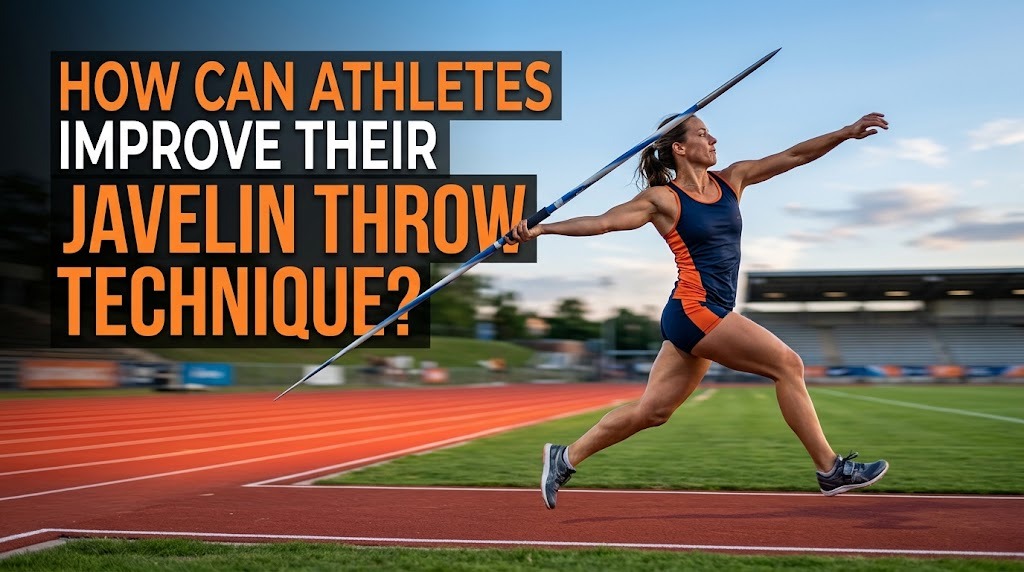
Javelin throw is an athletics event that requires athletes to throw a spear-shaped implement as far as possible while following specific competition rules. Successful performance depends on a combination of strength, speed, coordination, balance, and proper throwing technique. Athletes must control their approach run, prepare their bodies for the throw, and release the javelin with suitable speed and direction. By practicing these skills consistently, athletes can improve their throwing distance, achieve more reliable results, and reduce the risk of injury.
MASTERING THE CORRECT JAVELIN GRIP
A proper grip helps athletes control the javelin throughout the approach and throwing movement. The implement is held around its grip cord, with the fingers positioned to support control and a clean release. Athletes should choose a legal grip that feels secure and allows the javelin to remain aligned with the intended throwing direction. Practicing the grip with a stationary javelin before attempting full throws can help beginners develop confidence and consistency.
DEVELOPING A CONTROLLED APPROACH RUN
The approach run helps athletes build momentum before throwing the javelin. They should accelerate progressively while maintaining balance and keeping the implement under control. An irregular approach can disrupt the throwing sequence and reduce the effectiveness of the final movement. Repeated approach drills help athletes establish a consistent rhythm and prepare for the throwing phase without losing control.
IMPROVING THE WITHDRAWAL AND PREPARATION PHASE
During the approach, athletes position the javelin and prepare their bodies for the final throwing action. This preparation must be coordinated with their running rhythm so they can generate force without interrupting their momentum. Athletes should maintain appropriate body alignment and avoid unnecessary movements that interfere with balance. Practicing this phase separately can help them transition more smoothly from running into the throw.
USING PROPER BODY COORDINATION
Javelin throwing involves coordinated movement through the legs, hips, torso, shoulder, and throwing arm. The lower body helps generate momentum, which is transferred through the torso and into the arm during release. Relying only on arm strength can limit performance and place unnecessary stress on the shoulder and elbow. Learning the correct sequence of movements helps athletes use their whole body more efficiently.
IMPROVING RELEASE SPEED AND ANGLE
Release speed is one of the major factors influencing how far the javelin travels. Athletes should develop the ability to accelerate the implement while maintaining control over its direction. The release angle also affects the flight path, but the ideal angle depends on release speed, release height, wind, and the javelin’s aerodynamic characteristics. Technical drills and coach feedback can help athletes find a suitable release pattern rather than forcing a particular angle.
STRENGTHENING THE BODY FOR BETTER PERFORMANCE
Strength training supports the physical demands of javelin throwing. Exercises that develop the legs, hips, core, back, shoulders, and arms can help athletes generate and transfer force more effectively. Squats, lunges, core exercises, and appropriately supervised resistance training may contribute to overall strength and stability. Training should progress gradually and include exercises that support the throwing movement without overloading the joints.
DEVELOPING EXPLOSIVE POWER
Explosive power enables athletes to produce force quickly during the throwing action. Javelin throwers need to accelerate the implement rapidly during a short period while coordinating their body movements. Medicine-ball exercises, controlled jumping drills, and sport-specific throwing drills may help develop power when performed with proper technique. Athletes should combine these exercises with adequate recovery to maintain movement quality and reduce excessive fatigue.
PRACTICING FOOTWORK AND BALANCE
Footwork is essential during the final stages of the approach because it prepares the athlete to transfer momentum into the throw. Athletes must coordinate their steps and maintain balance while positioning the body for release. Poor foot placement can disrupt the throwing sequence and make it difficult to direct the javelin accurately. Repeating controlled footwork drills helps athletes develop more consistent movements and remain within the legal throwing area.
USING VIDEO ANALYSIS AND COACH FEEDBACK
Video analysis allows athletes to review their approach, body position, release, and follow-through. By comparing different attempts, they can identify inconsistent movements and monitor technical improvements. Coaches can provide specific feedback on timing, alignment, and the transfer of force through the body. Making small, measurable adjustments is generally more effective than changing several aspects of the technique at once.
FOLLOWING SAFETY RULES DURING TRAINING
Javelin training must take place in a suitable area with a clear throwing sector. Athletes should throw only when instructed and when everyone is safely outside the landing area. They must retrieve the implement only after the coach or official gives permission and should carry it with the pointed end directed safely downward. A proper warm-up, appropriate equipment, qualified supervision, and gradual training progression are important for reducing injury risks.
CONCLUSION
Athletes can improve their javelin throw technique by mastering the grip, developing a controlled approach, coordinating the whole body, and refining the release. Strength, explosive power, footwork, and balance also support effective performance. Regular practice combined with video analysis and coach feedback helps athletes identify mistakes and build consistent throwing habits. By prioritizing proper technique and safety, athletes can improve their throwing distance and develop their skills over time.
Recent Posts

Bagaimana Sistem SKS pada Program Kuliah... 22.11.2026/50 View

How Does Technology Make Daily Evaluation... 21.11.2026/80 View

Apa Strategi Menghadapi Kesenjangan antara Kompetensi... 21.11.2026/79 View

Mengapa Inventaris Aset Penting bagi Kelancaran... 21.11.2026/75 View

When Should Musicians Join a Record... 21.11.2026/80 View
