

How Can Beginners Become Social Volunteers?
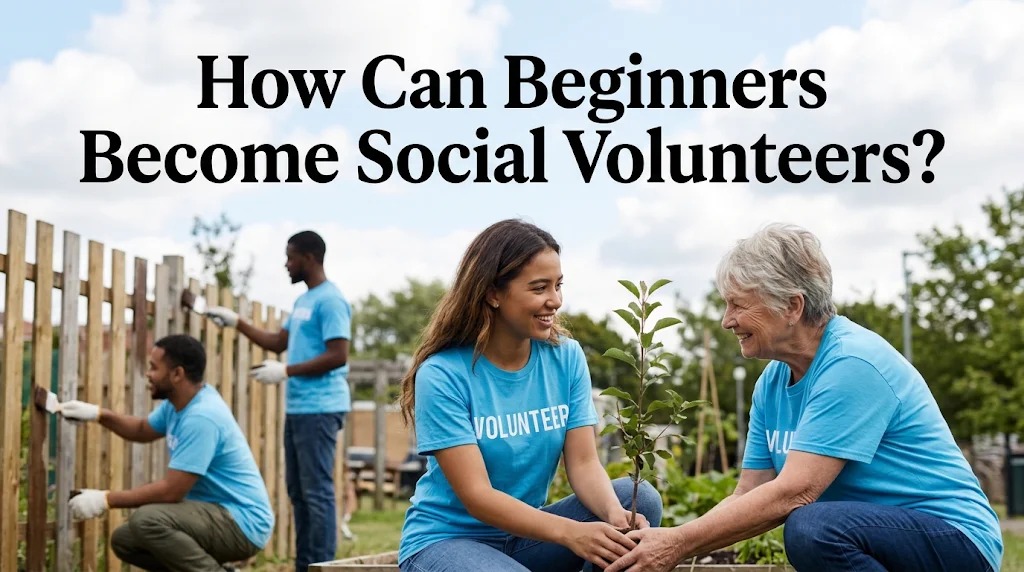
Becoming a social volunteer is a meaningful way to help others, support communities, and create positive changes in society. Social volunteers are people who willingly give their time, energy, knowledge, or skills to support individuals and communities in need. They can participate in various activities, such as education programs, environmental campaigns, disaster relief, healthcare awareness, and community development.
Many people want to become volunteers but do not know where to begin. Some believe that volunteering requires special skills, extensive experience, or significant financial resources. In reality, almost anyone can start volunteering by choosing activities that match their interests, abilities, and available time. With the right preparation and commitment, beginners can gain valuable experiences while making a meaningful contribution to society.
UNDERSTAND THE PURPOSE OF SOCIAL VOLUNTEERING
Before joining a volunteer program, beginners should understand the main purpose of social volunteering. The goal is to provide support to people who need assistance and contribute to improving community welfare. Volunteering is not only about distributing donations but also about building relationships, sharing knowledge, and helping communities become more independent. Understanding these purposes can help beginners choose activities that match their personal values and interests.
Social volunteering also provides opportunities to develop personal and professional skills. Volunteers can improve communication, teamwork, leadership, problem-solving, and time management through real activities. They may also learn how to interact with people from different backgrounds and understand social challenges more deeply. These experiences can build empathy, responsibility, and confidence. Therefore, volunteering benefits both the communities receiving assistance and the individuals who participate.
CHOOSE VOLUNTEER ACTIVITIES BASED ON YOUR INTERESTS AND ABILITIES
One of the easiest ways to start volunteering is to choose activities that match personal interests and abilities. Beginners who enjoy teaching can participate in educational programs for children or communities with limited learning resources. People who care about environmental issues can join tree-planting activities, waste collection programs, or environmental awareness campaigns. Those interested in healthcare can support health education events and community health programs under the guidance of qualified professionals.
Choosing suitable activities makes volunteering more enjoyable and easier to maintain. Beginners should also consider their physical abilities, schedules, locations, and available resources before joining a program. They do not need to participate in complicated activities immediately because small contributions can still make a difference. Starting with simple tasks allows volunteers to understand their responsibilities and gradually gain confidence. As their experience grows, they can explore other social activities that offer greater challenges and responsibilities.
FIND VOLUNTEER COMMUNITIES AND TRUSTED ORGANIZATIONS
After identifying suitable activities, beginners can start looking for volunteer opportunities through trusted organizations and communities. Many nonprofit organizations, educational institutions, humanitarian groups, environmental communities, and local social organizations regularly organize volunteer programs. Beginners can find information through official websites, social media accounts, university announcements, and community events. Joining a local volunteer community can also help them connect with people who have similar interests.
Before registering, it is important to check the organization's background and the details of its activities. Beginners should understand the program's objectives, location, schedule, responsibilities, and participation requirements. They should also check whether the organization has clear communication channels and transparent procedures. Be careful with programs that demand suspicious payments, request unnecessary personal information, or provide unclear activity details. Choosing a trusted organization helps volunteers participate more safely and ensures that their contributions support genuine social activities.
PREPARE YOURSELF AND DEVELOP IMPORTANT VOLUNTEER SKILLS
Preparation is an important step before participating in social activities. Beginners should understand the tasks they will perform and prepare the necessary equipment, clothing, documents, or learning materials. They should also learn about the community they will assist to avoid misunderstandings and ensure respectful interactions. For example, volunteers working with children should understand basic child protection principles and follow the organization's safety guidelines. Proper preparation helps activities run smoothly and reduces potential problems.
Several skills can make beginners more effective social volunteers, including:
- Communication Skills: Help volunteers interact clearly and respectfully with community members.
- Teamwork: Allow volunteers to cooperate and complete activities with other participants.
- Time Management: Help volunteers balance social activities with education, work, and personal responsibilities.
- Problem Solving: Support volunteers in handling unexpected challenges during activities.
- Empathy: Help volunteers understand the needs and feelings of people from different backgrounds.
These skills do not need to be mastered before joining a volunteer program. Beginners can develop them gradually through training, guidance, and direct experience. They should also be willing to receive feedback from coordinators and experienced volunteers. A positive attitude and willingness to learn are often more important than having extensive previous experience.
PARTICIPATE ACTIVELY AND BUILD CONSISTENT VOLUNTEERING EXPERIENCES
Once accepted into a volunteer program, beginners should participate actively and take their responsibilities seriously. They need to arrive on time, follow instructions, respect other participants, and complete assigned tasks properly. Volunteering requires commitment because social programs often depend on cooperation between many individuals. Even simple responsibilities can have an important impact when performed consistently and responsibly.
Beginners should also evaluate their experiences after completing each activity. They can record the programs they joined, responsibilities they handled, skills they developed, and contributions they made. These records can become useful references for future volunteer opportunities, personal development, or professional portfolios. Maintaining connections with other volunteers can also create opportunities to participate in larger social programs. Over time, consistent involvement can help beginners become more experienced volunteers who are capable of taking greater responsibilities.
CONCLUSION
Becoming a social volunteer as a beginner does not require extensive experience or special qualifications. Anyone can start by understanding the purpose of volunteering, choosing suitable activities, finding trusted organizations, and preparing the necessary skills. Active participation, responsibility, and consistency are important for creating meaningful contributions to society. Volunteering also provides valuable opportunities to develop communication, teamwork, empathy, and leadership skills. By starting with small actions and continuing to learn, beginners can become responsible volunteers and help create positive changes in their communities.
Recent Posts

Bagaimana Sistem SKS pada Program Kuliah... 22.11.2026/27 View

How Does Technology Make Daily Evaluation... 21.11.2026/65 View

Apa Strategi Menghadapi Kesenjangan antara Kompetensi... 21.11.2026/65 View

Mengapa Inventaris Aset Penting bagi Kelancaran... 21.11.2026/62 View

When Should Musicians Join a Record... 21.11.2026/63 View
