

How Can Beginners Win an English Language Competition?
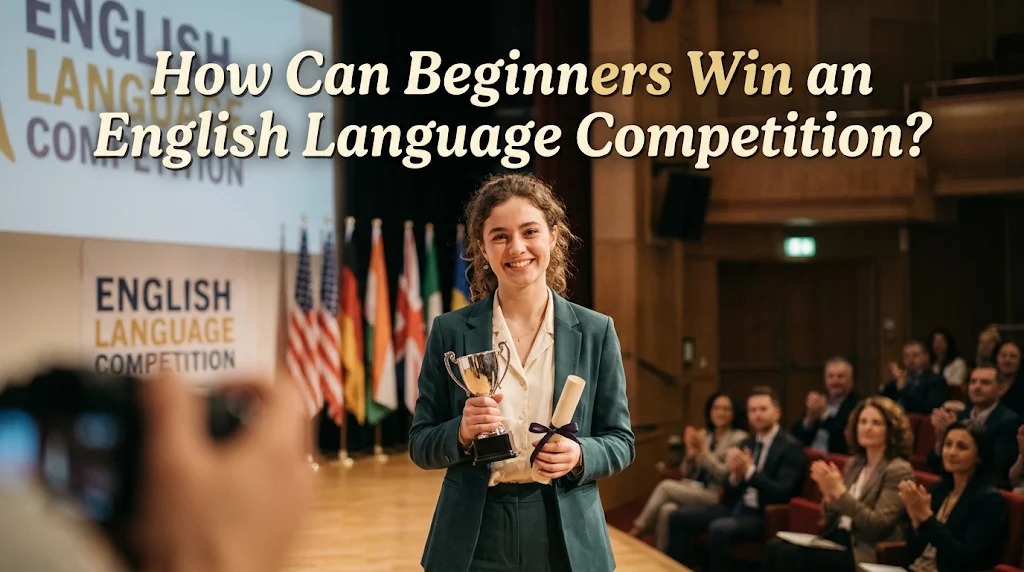
Winning an English language competition as a beginner may seem challenging, especially for students who are still developing their speaking, writing, and listening skills. However, beginners can achieve good results through consistent practice, proper preparation, and confidence. They do not need to master every aspect of English before participating in a competition. Understanding the competition format, learning useful vocabulary, and practicing regularly can make a significant difference.
English competitions are also valuable opportunities to improve language abilities and gain new experiences. With the right strategy, beginners can compete more effectively, avoid common mistakes, and increase their chances of achieving success.
UNDERSTAND THE COMPETITION FORMAT AND RULES
The first step for beginners is to understand the type of English language competition they want to join. Different competitions have different requirements, such as speech delivery, storytelling, spelling, debate, essay writing, or grammar knowledge. Each activity requires specific preparation and skills. Beginners should carefully read the competition guidelines to understand the rules, assessment criteria, time limits, and topics.
Understanding these details helps participants prepare more effectively. For example, students joining a speech competition should focus on pronunciation, fluency, and presentation skills. Meanwhile, those participating in spelling competitions need to practice word recognition and correct spelling. Knowing what the judges expect can help beginners focus on the most important aspects instead of studying everything without a clear direction.
IMPROVE BASIC ENGLISH VOCABULARY AND GRAMMAR
A strong understanding of basic vocabulary and grammar is important for beginners who want to perform well. Students should start by learning commonly used English words, simple expressions, and sentence structures. Understanding basic grammar, such as tenses, subject-verb agreement, and pronouns, can also help them communicate more accurately. These foundations make it easier to understand questions, follow instructions, and express ideas.
Beginners should practice using new vocabulary in everyday conversations and simple writing exercises. Reading short English stories, articles, and educational materials can introduce useful words in different contexts. They should also review grammar regularly rather than memorizing complicated rules without understanding their purpose. Building these basic skills gradually can improve language accuracy and make competition preparation less difficult.
PRACTICE SPEAKING AND PRONUNCIATION REGULARLY
Speaking practice is essential, particularly for beginners joining speech, storytelling, or debate competitions. Students can start by reading English texts aloud, describing everyday activities, or introducing themselves in simple sentences. Practicing in front of a mirror can help them become more comfortable with their expressions and body language. Recording their voices is another useful method because they can identify pronunciation mistakes and areas that need improvement.
Beginners should also learn to speak at a natural pace instead of rushing through sentences. Clear pronunciation is generally more important than using complicated vocabulary that they cannot pronounce correctly. Practicing with friends, teachers, or language partners can provide valuable feedback. Over time, regular speaking exercises can improve fluency and reduce nervousness when performing in front of judges and audiences.
LEARN FROM TEACHERS AND USE LEARNING RESOURCES
Guidance from teachers can help beginners prepare for English competitions more effectively. Teachers can explain difficult language concepts, correct mistakes, and suggest suitable practice materials. They may also provide sample questions, organize practice sessions, or conduct mock competitions to help students understand the actual experience. Receiving constructive feedback allows participants to recognize their weaknesses and improve their performance.
Besides teacher guidance, beginners can use dictionaries, English learning applications, educational videos, and online exercises. These resources provide additional opportunities to practice vocabulary, listening, pronunciation, and grammar. However, students should choose reliable learning materials that match their current abilities. Combining independent study with teacher guidance can make preparation more organized and productive.
BUILD CONFIDENCE AND EVALUATE YOUR PERFORMANCE
Confidence plays an important role in English language competitions because nervousness can affect concentration and communication. Beginners should remember that making mistakes is a normal part of learning a new language. Instead of being afraid of incorrect pronunciation or grammar, they should focus on communicating their ideas clearly. Maintaining eye contact, using appropriate gestures, and speaking calmly can also create a positive impression.
Before the competition, students should participate in practice sessions that resemble the actual event. After each session, they can evaluate their performance by identifying strengths and weaknesses. They should pay attention to pronunciation, grammar, time management, and the clarity of their answers. Learning from previous mistakes helps beginners become better prepared and more confident when facing judges and other participants.
CONCLUSION
Beginners can improve their chances of winning an English language competition through proper preparation, consistent practice, and a positive attitude. Understanding the competition format, strengthening basic vocabulary and grammar, improving pronunciation, and seeking guidance from teachers are important steps. Students should also use suitable learning resources and evaluate their progress through regular practice.
Winning should not be the only goal because participating in a competition also provides valuable learning experiences. Beginners who remain disciplined, confident, and willing to improve can develop stronger English skills and become more competitive over time.
Recent Posts

How Does Technology Make Daily Evaluation... 21.11.2026/62 View

Apa Strategi Menghadapi Kesenjangan antara Kompetensi... 21.11.2026/63 View

Mengapa Inventaris Aset Penting bagi Kelancaran... 21.11.2026/59 View

When Should Musicians Join a Record... 21.11.2026/58 View

Daily Evaluation or Daily Planning Which... 21.11.2026/66 View
