

How Can Bicycle Lanes and Sidewalks Help Reduce Urban Traffic Congestion?
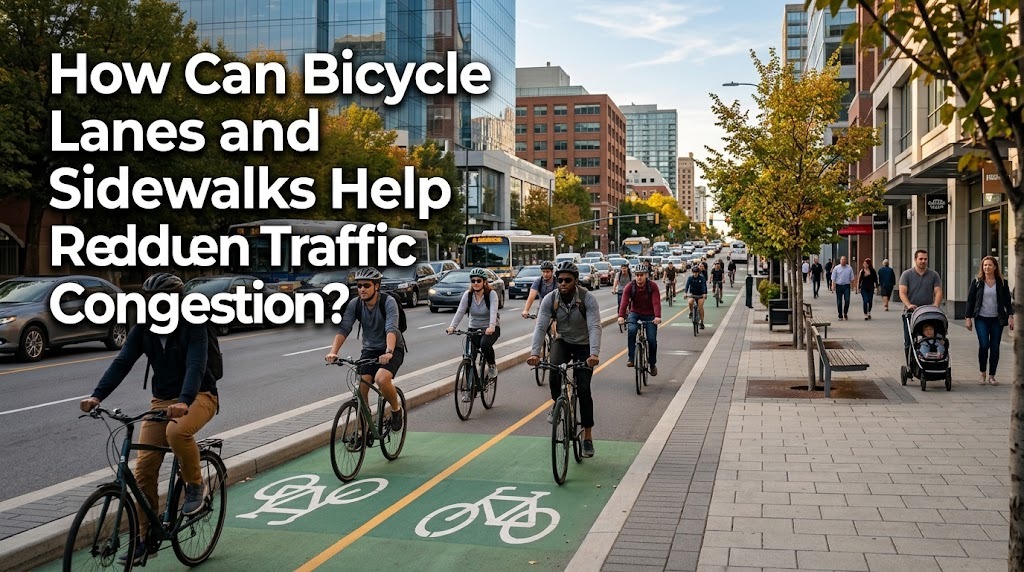
Urban traffic congestion is a common problem in growing cities, where large numbers of cars and motorcycles compete for limited road space. Heavy traffic increases travel times, wastes fuel, contributes to air pollution, and affects people's daily activities. Although road expansion is often considered a solution, cities can also reduce congestion by improving facilities for people who walk and cycle. Bicycle lanes and sidewalks provide safer alternatives to motorized transportation, especially for short-distance journeys. When supported by effective urban planning and reliable public transportation, these facilities can help reduce vehicle dependence and create healthier, more accessible cities.
REDUCING DEPENDENCE ON PRIVATE VEHICLES
One of the main benefits of bicycle lanes and sidewalks is that they encourage people to travel without using cars or motorcycles. Many daily journeys, such as visiting nearby shops, traveling to school, or commuting to local workplaces, cover relatively short distances. When walking routes are comfortable and cycling facilities are safe, residents may choose these alternatives instead of driving. This can reduce the number of motor vehicles entering busy streets and intersections.
Reducing private vehicle use is particularly important in densely populated urban areas, where road space is limited. Every short journey made on foot or by bicycle instead of by car can reduce the demand for road space and parking. However, the impact depends on whether people actually switch from motorized travel rather than from public transportation or other active travel methods. Cities should therefore develop connected networks that make walking and cycling practical for everyday activities. By offering convenient alternatives, urban areas can reduce unnecessary vehicle trips and improve overall traffic conditions.
IMPROVING ROAD SAFETY FOR PEDESTRIANS AND CYCLISTS
Safe infrastructure is essential if cities want more people to walk and cycle. Well-designed sidewalks provide dedicated space for pedestrians, reducing conflicts with moving vehicles and parked motorcycles. Safe pedestrian crossings, adequate lighting, curb ramps, and clear walking paths make streets more accessible to children, older adults, and people with disabilities. When pedestrians can move safely, they are more likely to choose walking for suitable journeys.
Protected bicycle lanes can also reduce the risks cyclists face on busy roads. Physical separation from motor vehicles helps prevent dangerous interactions and makes cycling more comfortable for people who may otherwise avoid it. Bicycle routes should connect residential neighborhoods with schools, workplaces, shops, parks, and public transportation stations. Cities must also maintain these facilities and prevent sidewalks or bicycle lanes from being blocked by illegal parking. Safer infrastructure supports active transportation while helping streets function more efficiently for all road users.
REDUCING AIR POLLUTION AND FUEL CONSUMPTION
Bicycle lanes and sidewalks can contribute to better urban air quality by encouraging travel without motorized vehicles. Cars and motorcycles produce exhaust emissions that contribute to air pollution, while congested traffic can increase fuel consumption through frequent stopping and acceleration. When people walk or cycle instead of driving, their journeys generate no direct exhaust emissions. If these choices replace a significant number of motorized trips, urban air pollution and transportation-related emissions may decrease.
The environmental benefits depend on how many people change their travel habits and the types of journeys being replaced. Building a bicycle lane alone does not guarantee lower emissions if few residents use it. Cities should connect active transportation facilities with public transit and essential destinations so that walking and cycling become convenient options. Trees, shade, and suitable street design can also make outdoor travel more comfortable in hot weather. These improvements can support cleaner neighborhoods while encouraging healthier daily routines.
CONNECTING BICYCLE LANES AND SIDEWALKS WITH PUBLIC TRANSPORTATION
Bicycle lanes and sidewalks become more useful when they connect with public transportation networks. Many passengers need to walk or cycle between their homes and nearby bus stops or train stations. Safe and continuous routes make these connections easier, allowing people to complete their journeys without driving all the way to their destinations. This can reduce the number of private vehicles traveling into busy business districts and commercial centers.
Cities can improve these connections by providing secure bicycle parking, accessible station entrances, clear signs, and safe pedestrian crossings. In suitable locations, public transportation systems may also allow bicycles on board under specific rules. Integrated transport planning helps people combine walking, cycling, buses, and trains according to their needs. These options are especially valuable for commuters who live too far from their workplaces to walk or cycle the entire distance. By making different modes of transportation work together, cities can reduce reliance on private vehicles and use road space more efficiently.
SUPPORTING HEALTHIER AND MORE LIVABLE CITIES
Walking and cycling offer benefits beyond reducing traffic congestion. Regular physical activity can support cardiovascular health, improve fitness, and help people maintain an active lifestyle. Walkable neighborhoods also make it easier for residents to reach local shops, parks, schools, and community facilities without using a motor vehicle. These opportunities can improve daily convenience while encouraging social interaction and a stronger sense of community.
Well-designed sidewalks and bicycle lanes can also make urban environments more pleasant. Streets with safe pedestrian areas, suitable shade, accessible crossings, and organized traffic can feel more welcoming to residents and visitors. However, these improvements require proper planning, regular maintenance, and protection against obstruction. Cities should ensure that facilities serve people with different mobility needs and provide safe access across neighborhoods. By prioritizing active transportation, urban planners can support public health, road safety, and a higher quality of life while helping reduce congestion.
IMPLEMENTING EFFECTIVE URBAN PLANNING AND GOVERNMENT POLICIES
The success of bicycle lanes and sidewalks depends on coordinated urban planning and government policies. Authorities should identify routes with high pedestrian demand, common cycling journeys, and connections to schools, workplaces, and public transportation. They should prioritize continuous networks rather than isolated sections that end suddenly or force users into unsafe traffic. Proper design standards, regular inspections, and sufficient maintenance funding are necessary to keep facilities safe and usable.
Governments can also encourage walking and cycling through public awareness campaigns, traffic-calming measures, lower vehicle speeds in suitable areas, and stronger enforcement against illegal parking. Businesses and educational institutions can support active travel by providing bicycle parking, showers where appropriate, and safe access to their buildings. Cities should measure progress by monitoring bicycle use, pedestrian activity, road safety, and changes in motor vehicle traffic. Public consultation can help identify barriers, such as missing crossings or poorly maintained sidewalks. With consistent investment and community participation, active transportation can become an important part of a sustainable urban mobility strategy.
CONCLUSION
Bicycle lanes and sidewalks can help reduce urban traffic congestion by encouraging people to replace suitable car and motorcycle trips with walking and cycling. These facilities also improve road safety, support healthier lifestyles, reduce direct vehicle emissions, and connect residents with public transportation. To achieve meaningful results, cities need safe, continuous, accessible networks supported by effective urban planning and regular maintenance. Government policies should make active transportation convenient for people of different ages and abilities. By investing in walking and cycling infrastructure, cities can reduce dependence on private vehicles and create cleaner, safer, and more livable urban environments.
Recent Posts

Bagaimana Sistem SKS pada Program Kuliah... 22.11.2026/54 View

How Does Technology Make Daily Evaluation... 21.11.2026/83 View

Apa Strategi Menghadapi Kesenjangan antara Kompetensi... 21.11.2026/82 View

Mengapa Inventaris Aset Penting bagi Kelancaran... 21.11.2026/78 View

When Should Musicians Join a Record... 21.11.2026/84 View
