

How Can Building Waste Become Valuable Recycled Materials?
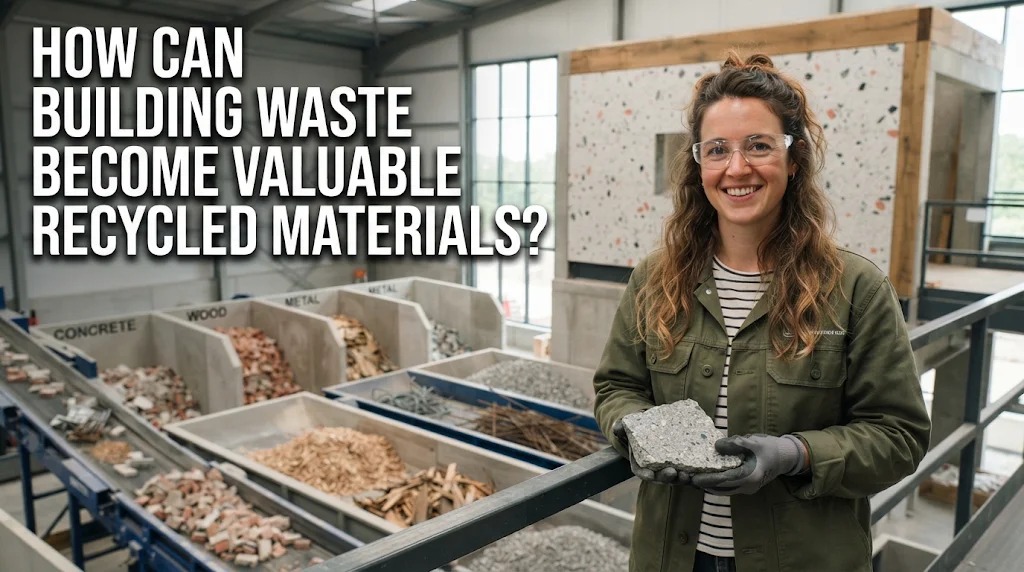
Building waste is often considered useless debris that must be removed from construction sites. However, many discarded materials still have economic and practical value when they are properly collected, processed, and reused. Concrete, bricks, wood, metal, glass, and plastic can be transformed into new products that support other construction activities.
Turning building waste into valuable recycled materials is an important part of sustainable construction. This approach helps reduce the demand for raw resources, limits the amount of waste sent to landfills, and creates opportunities for businesses in the recycling industry. With suitable technology and effective waste management, materials that were previously discarded can become useful resources.
IDENTIFYING RECYCLABLE BUILDING WASTE
The first step in recycling building waste is identifying which materials can be recovered. Construction sites produce different types of waste, and each material requires a suitable processing method. Concrete, bricks, steel, aluminum, timber, glass, and certain plastics are among the materials that may be reused or recycled.
Proper identification prevents valuable resources from being mixed with contaminated or hazardous waste. For example, clean wood can be processed into new products, while metal scraps can be separated according to their type. Understanding material characteristics makes the recycling process more efficient.
SEPARATING WASTE AT CONSTRUCTION SITES
Waste separation is essential because mixed construction debris is more difficult and expensive to process. When recyclable materials are combined with soil, chemicals, paint, or general rubbish, their quality may decrease. Sorting materials directly at construction sites helps preserve their potential value.
Construction companies can provide separate containers for concrete, metal, wood, plastic, and other waste categories. Workers should also receive clear instructions about proper disposal procedures. Consistent separation makes transportation and recycling more organized.
TRANSFORMING CONCRETE INTO RECYCLED AGGREGATES
Concrete is one of the most common materials recovered from demolition and renovation projects. Instead of sending all concrete debris to disposal facilities, suitable material can be crushed and processed into recycled aggregates.
These aggregates can be used in selected road construction applications, drainage layers, foundations, and other projects where technical specifications allow. Before reuse, the material must be checked for quality, contamination, particle size, and performance requirements. Proper processing helps turn concrete waste into a resource for future construction.
REUSING BRICKS AND MASONRY MATERIALS
Bricks that remain intact after demolition can sometimes be cleaned and reused in new building projects. This reduces the need to manufacture replacement materials and helps preserve resources used in brick production.
Damaged bricks and masonry fragments may also be crushed for use in certain landscaping, filling, or construction applications, depending on their quality and applicable standards. Careful removal during demolition increases the number of bricks that can be recovered without damage.
RECYCLING METAL INTO NEW PRODUCTS
Steel, aluminum, copper, and other metals have significant recycling potential. Metal scraps from construction sites can be collected, sorted, and transported to recycling facilities for processing. After suitable treatment, recovered metals can become raw materials for manufacturing new products.
Recycling metal reduces the need to extract and process additional raw materials. It can also create economic opportunities for waste collectors, recycling companies, and material suppliers. Proper separation is important because different metals require different processing methods.
CONVERTING WOOD WASTE INTO USEFUL PRODUCTS
Wood waste can come from temporary structures, damaged boards, packaging, doors, flooring, and other building components. Clean and undamaged timber may be reused directly for suitable construction or furniture applications.
Wood that cannot be reused in its original form may be processed into particleboard, wood panels, or other manufactured products. However, painted, treated, or chemically contaminated wood requires special consideration before recycling. Separating different wood categories helps prevent contamination and supports safer processing.
PROCESSING GLASS AND PLASTIC MATERIALS
Glass waste from windows, doors, and building interiors can be collected and processed into recycled glass materials. Depending on its composition and quality, recovered glass may be used in new glass products or selected construction applications.
Plastic waste from pipes, packaging, insulation, and other building components may also be recycled into new products when suitable processing facilities are available. Different plastic types must be separated because they do not all have the same recycling requirements. Clean collection and accurate identification improve the possibility of recovering these materials.
USING TECHNOLOGY TO IMPROVE RECYCLING
Modern technology can make construction waste recovery more efficient. Crushing machines, screening equipment, magnetic separators, and sorting systems help process materials and separate valuable components from mixed debris.
Digital inventory systems can also help construction companies monitor material usage and identify reusable supplies before they become waste. In larger projects, advanced sorting technology may reduce manual work and improve the consistency of recovered materials. Choosing appropriate equipment depends on the types and quantities of waste generated.
CREATING ECONOMIC VALUE FROM RECYCLED MATERIALS
Recycled building materials can provide economic benefits when they meet the quality requirements of potential buyers. Construction companies may reduce disposal expenses by recovering usable materials, while recycling businesses can generate income by processing and selling recovered resources.
A market for recycled products also creates opportunities for new businesses, including material collection, transportation, sorting, processing, and distribution. However, the financial value of recycled materials depends on processing costs, market demand, material quality, and transportation distance.
ENSURING QUALITY AND SAFETY STANDARDS
Recycled materials must meet appropriate technical and safety requirements before being used in construction. Materials that appear reusable may still contain impurities, structural damage, or substances that affect their performance.
Quality testing helps determine whether recycled products are suitable for specific applications. For example, recycled aggregates may require testing for grading, strength-related properties, and contamination. Following applicable building standards protects construction quality and reduces potential safety risks.
CONCLUSION
Building waste can become valuable recycled materials through proper identification, separation, processing, and quality control. Concrete can be transformed into recycled aggregates, metal can become new manufacturing materials, and suitable wood, bricks, glass, and plastics can be recovered for different applications.
Successful recycling requires cooperation between construction companies, workers, waste processors, suppliers, and government institutions. By treating discarded building materials as potential resources, the construction industry can reduce waste, conserve natural resources, and develop more sustainable economic opportunities.
Recent Posts

How Does Technology Make Daily Evaluation... 21.11.2026/58 View

Apa Strategi Menghadapi Kesenjangan antara Kompetensi... 21.11.2026/60 View

Mengapa Inventaris Aset Penting bagi Kelancaran... 21.11.2026/56 View

When Should Musicians Join a Record... 21.11.2026/55 View

Daily Evaluation or Daily Planning Which... 21.11.2026/63 View
