

How Can Character Education Build Respectful Attitudes?
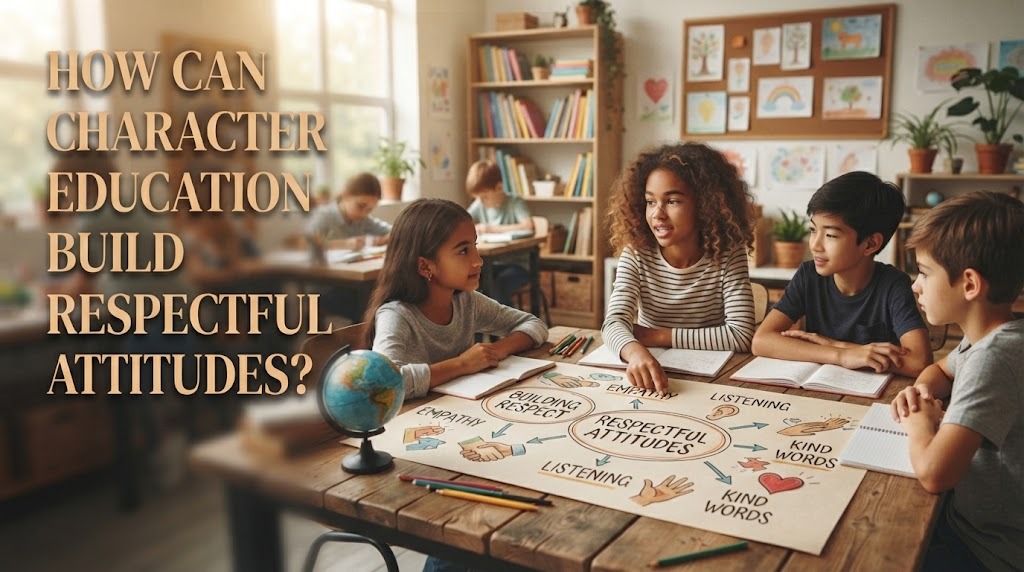
Character education plays an important role in helping students develop respectful attitudes toward other people. Respect means treating others with kindness, fairness, and consideration, even when people have different opinions or backgrounds. Students can learn respect through daily interactions with teachers, classmates, family members, and the wider community. Character education provides guidance and opportunities for students to practice respectful behavior in real situations. By developing respect from an early age, students can build healthier relationships and become more responsible members of society.
TEACHING THE MEANING OF RESPECT
Character education can begin by helping students understand what respect means in everyday life. Respect is not only about using polite words but also about listening to others and recognizing their feelings. Students can learn that every person deserves to be treated fairly and with dignity. Teachers can explain these ideas through simple examples from classroom and school situations. This makes the concept of respect easier for students to understand and practice.
Students should also understand that respect does not require everyone to have the same opinions. People may have different ideas, cultures, interests, abilities, or ways of communicating. Learning to accept these differences helps students develop tolerance and open-mindedness. When students understand that differences are normal, they may be less likely to judge or exclude others. This creates a stronger foundation for respectful behavior.
DEVELOPING EMPATHY IN STUDENTS
Empathy is closely connected to respectful attitudes because it helps students understand how other people may feel. Character education can encourage students to think about the feelings and experiences of others before they act or speak. For example, students can learn to consider how a classmate might feel after being ignored or laughed at. This awareness can encourage them to choose kinder and more thoughtful actions. Empathy therefore helps students understand the importance of treating others with care.
Teachers can develop empathy through discussions, stories, role-playing, and group activities. Students can be asked to imagine themselves in another person's situation and explain how they might feel. These activities help students recognize emotions and different perspectives. Over time, students can become more careful about how their words and actions affect others. Empathy can turn respect from a rule into a genuine attitude.
ENCOURAGING POLITE COMMUNICATION
Good communication is an important part of respectful behavior. Character education can teach students to use polite language when speaking with teachers, classmates, and other people. Students can learn to listen without interrupting and express disagreement without insulting others. These simple communication habits can prevent unnecessary conflicts. They also help create a classroom environment where students feel heard and valued.
Students should understand that respectful communication includes both words and actions. Tone of voice, facial expressions, and body language can also affect how a message is received. Teachers can demonstrate calm and polite communication when handling questions or disagreements. Students can then observe and practice these behaviors in their own interactions. Respectful communication helps students build trust and stronger relationships.
TEACHING STUDENTS TO ACCEPT DIFFERENCES
Character education can help students understand and appreciate individual differences. Every student may have different abilities, interests, family experiences, opinions, and ways of learning. These differences should not become reasons for bullying, exclusion, or unfair treatment. Schools can create activities that allow students to learn about different perspectives in a positive way. Such experiences can help students become more accepting of people who are not the same as them.
Accepting differences does not mean that students must agree with everything they hear. Instead, they can learn to disagree respectfully and discuss different opinions without attacking others. This skill is especially important in diverse classrooms and communities. Students who learn this behavior can communicate more effectively with people who think differently. As a result, character education can support a more inclusive and respectful school environment.
USING DAILY SCHOOL ACTIVITIES
Respect becomes easier to develop when students can practice it through daily activities. Group assignments, classroom discussions, sports, school events, and shared responsibilities provide opportunities to practice cooperation. Students can learn to take turns, listen to teammates, share resources, and appreciate other people's contributions. These experiences allow students to see how respectful behavior affects group success. Repeated practice can gradually make respect a natural habit.
Teachers can also use everyday situations as learning opportunities. When conflicts occur, students can be guided to listen to each other and find fair solutions. Instead of focusing only on punishment, teachers can help students understand the effects of their behavior. This encourages reflection and responsibility. Through regular practice, students can learn that respect is something they should demonstrate every day.
TEACHERS AS ROLE MODELS
Teachers have a strong influence on students because students observe how adults behave. A teacher who consistently shows respect, fairness, patience, and kindness provides a practical example of good character. Students can see how respectful people communicate and handle difficult situations. Teachers should also treat students fairly and listen to their concerns. These actions can make character education more meaningful.
Role modeling is especially effective when the behavior is consistent. If teachers ask students to respect others but regularly communicate disrespectfully, the message becomes less effective. Students learn not only from what teachers say but also from what they do. Therefore, teachers should demonstrate the values they expect students to practice. Positive role models can help turn character values into real behavior.
INVOLVING FAMILIES AND THE COMMUNITY
Respectful attitudes become stronger when families and communities support the values taught at school. Parents can encourage children to speak politely, listen to others, help family members, and accept differences. Consistent expectations between home and school can make character education easier for students to understand. Children also learn from how adults communicate and solve disagreements around them. This means that adults can support respectful behavior by becoming positive examples.
Community activities can provide additional opportunities for students to practice respect. Students can participate in social projects, environmental activities, or other group programs that require cooperation. These experiences help them understand the needs and perspectives of different people. They can also develop empathy, cooperation, and social responsibility. In this way, respectful attitudes can grow beyond the classroom and become part of everyday life.
CONCLUSION
Character education can build respectful attitudes by teaching students empathy, polite communication, tolerance, responsibility, and acceptance of differences. Respect becomes stronger when students are given regular opportunities to practice these values in real situations. Teachers, parents, and community members can support this process by becoming positive role models. Daily activities such as group work and classroom discussions can also turn respect into a consistent habit. By developing respectful attitudes, students can build healthier relationships, reduce conflict, appreciate differences, and contribute positively to society.
Recent Posts

Bagaimana Sistem SKS pada Program Kuliah... 22.11.2026/35 View

How Does Technology Make Daily Evaluation... 21.11.2026/69 View

Apa Strategi Menghadapi Kesenjangan antara Kompetensi... 21.11.2026/69 View

Mengapa Inventaris Aset Penting bagi Kelancaran... 21.11.2026/67 View

When Should Musicians Join a Record... 21.11.2026/68 View
