

How Can Character Education Improve Student Discipline?
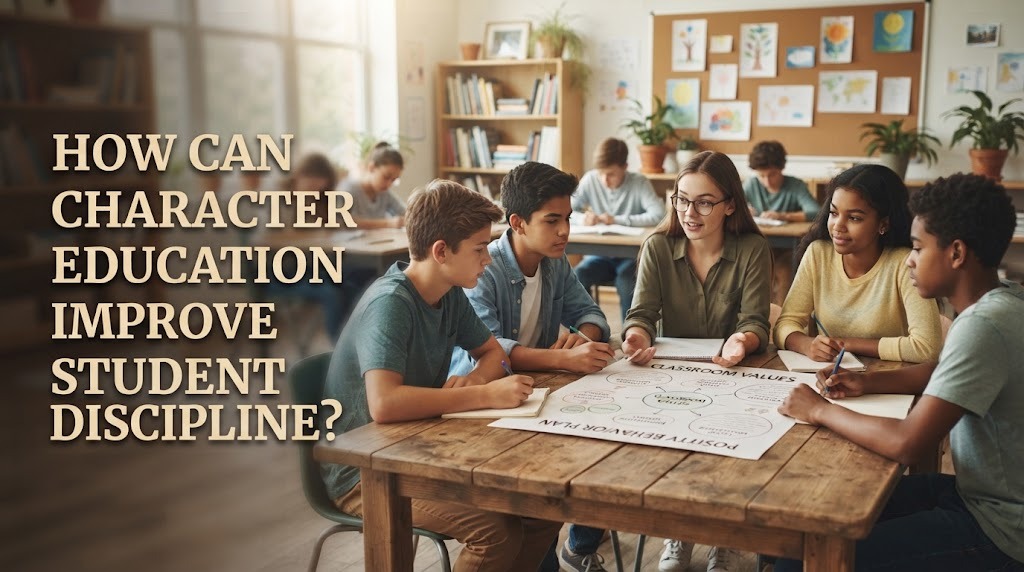
Character education can play an important role in developing student discipline. Discipline is not only about following rules but also about learning to manage time, responsibilities, behavior, and decisions. Students who develop good character can better understand why discipline is necessary in school and everyday life. Values such as responsibility, honesty, self-control, and respect can encourage students to behave more consistently. Therefore, character education can help schools develop students who are disciplined because they understand the value of their actions.
TEACHING RESPONSIBILITY THROUGH DAILY HABITS
Character education can improve discipline by teaching students to take responsibility for their daily tasks. Students can practice simple habits such as arriving at school on time, completing assignments, keeping their classroom clean, and bringing the necessary learning materials. These activities teach students that responsibilities should be completed consistently. When students understand their duties, they become more aware of how their behavior affects their learning. Repeated practice can gradually turn responsible actions into regular habits.
Teachers can give students appropriate responsibilities based on their age and abilities. For example, students can take turns organizing classroom materials or leading a small group activity. Small responsibilities can create opportunities to practice discipline in real situations. When students complete these tasks successfully, they can develop greater confidence in managing their own responsibilities. This can strengthen discipline both inside and outside the classroom.
DEVELOPING SELF CONTROL
Self-control is closely connected to student discipline. Students may sometimes want to talk during lessons, use their phones at inappropriate times, or avoid difficult assignments. Character education can teach them to control immediate impulses and focus on more important goals. Students can learn that discipline involves making appropriate choices even when they would rather do something else. This ability becomes useful when they face distractions or difficult situations.
Teachers can help students develop self-control by encouraging them to pause and think before acting. Simple classroom routines can also help students practice controlling their behavior. When students repeatedly experience the benefits of self-control, they can become more capable of managing their actions independently. This reduces the need for constant reminders from teachers. Over time, self-control can become an important part of their personal discipline.
BUILDING A CONSISTENT ROUTINE
A clear routine can make discipline easier for students to practice. Character education can encourage students to understand the importance of consistency and time management. Regular activities such as preparing school materials, checking assignments, and following study schedules can help students organize their responsibilities. A predictable routine can also reduce confusion about what students need to do. These habits can support better learning and classroom behavior.
Students should also learn that routines are not simply restrictions. They can understand that good routines save time and reduce unnecessary stress. Teachers can help students create realistic habits rather than expecting perfection. Parents can reinforce similar routines at home, such as setting regular times for studying and preparing for school. Consistent support from adults can help students maintain disciplined behavior.
TEACHING THE VALUE OF RULES
Rules are an important part of school discipline, but students need to understand why rules exist. Character education can explain that classroom rules are designed to protect learning, safety, fairness, and respect. For example, listening while someone is speaking allows everyone to participate without unnecessary interruptions. Understanding the purpose of rules can make students more willing to follow them. This can create discipline based on awareness rather than fear.
Teachers should apply rules fairly and consistently. Students can become confused when the same behavior receives different responses depending on the person involved. Fair rules help students understand that everyone has responsibilities in the classroom. When students recognize the connection between rules and positive outcomes, they can become more willing to follow them independently. This supports the development of internal discipline.
USING POSITIVE REINFORCEMENT
Positive reinforcement can encourage students to maintain disciplined behavior. Teachers can recognize students who consistently arrive on time, complete their work, follow classroom procedures, or help others responsibly. Positive feedback can show students that their effort and improvement are noticed. Recognition does not always have to involve prizes because sincere encouragement can also motivate students. The purpose is to help students understand which behaviors are valuable.
Teachers should focus on effort and progress, especially when students are still developing discipline. A student who previously struggled with punctuality may deserve recognition for making consistent improvements. This approach can encourage students to continue practicing good habits instead of feeling discouraged by past mistakes. Positive reinforcement can therefore make character education more supportive and motivating. It can also strengthen students' confidence in their ability to change their behavior.
ENCOURAGING ACCOUNTABILITY
Discipline becomes stronger when students learn to accept responsibility for their choices. If a student forgets an assignment, for example, character education can encourage the student to acknowledge the mistake and consider how to prevent it in the future. Teachers can guide students to identify solutions rather than simply giving punishment. This teaches students that mistakes have consequences but can also become opportunities for improvement. Accountability helps students understand that their behavior is within their control.
Students should also learn to distinguish between excuses and explanations. Understanding the reason behind a mistake can be useful, but students still need to consider what they can do differently next time. Teachers can ask reflective questions that encourage students to think about their actions. This process can gradually develop maturity and responsibility. As students become more accountable, they may need fewer external reminders to stay disciplined.
CREATING A SUPPORTIVE SCHOOL ENVIRONMENT
A positive school environment can make it easier for students to develop discipline. Teachers, school staff, and students can work together to create a culture based on respect, responsibility, fairness, and cooperation. Students are more likely to follow positive behavior when they see these values practiced by the people around them. Clear expectations and consistent communication can also reduce misunderstandings. A supportive environment allows discipline to become part of school culture rather than simply a set of punishments.
Parents also have an important role in supporting student discipline. When home and school expectations are consistent, students receive clearer guidance about appropriate behavior. Parents can reinforce habits such as time management, responsibility, and completing tasks at home. Teachers can communicate positive progress as well as areas that need improvement. Cooperation between parents and schools can make character education more effective.
CONCLUSION
Character education can improve student discipline by developing responsibility, self-control, consistency, accountability, and respect for rules. Instead of teaching students to follow rules only because they fear punishment, character education helps them understand why disciplined behavior matters. Daily routines, positive reinforcement, clear expectations, and supportive guidance can help students develop lasting habits. Teachers, parents, and schools should work together to provide consistent examples and opportunities for students to practice discipline. With regular practice, students can become more responsible, organized, self-controlled, and independent in their academic and everyday lives.
Recent Posts

Bagaimana Sistem SKS pada Program Kuliah... 22.11.2026/35 View

How Does Technology Make Daily Evaluation... 21.11.2026/69 View

Apa Strategi Menghadapi Kesenjangan antara Kompetensi... 21.11.2026/69 View

Mengapa Inventaris Aset Penting bagi Kelancaran... 21.11.2026/67 View

When Should Musicians Join a Record... 21.11.2026/68 View
