

How Can Children Cope with Sadness Caused by Family Problems?
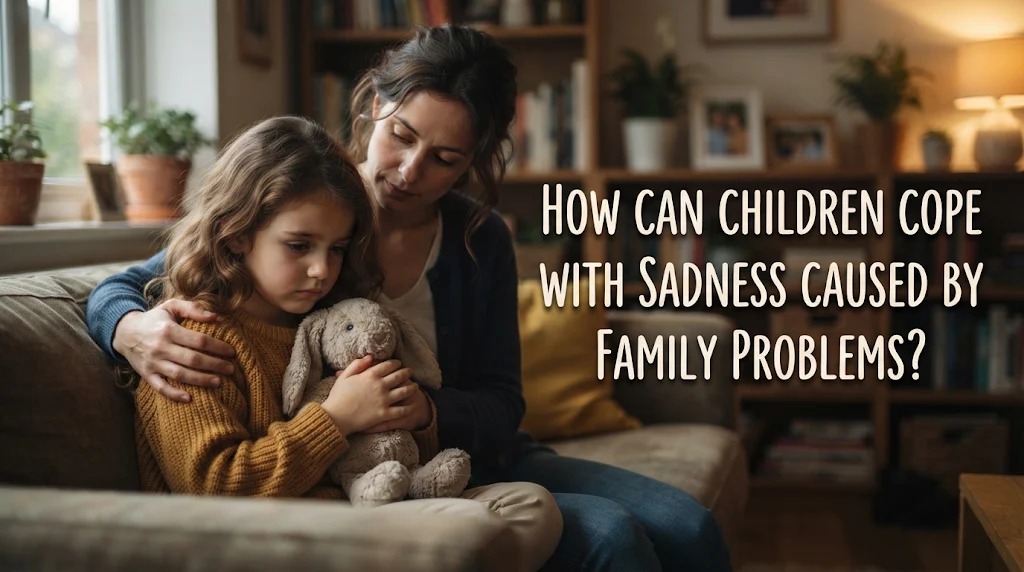
Family problems can have a significant impact on children's emotional well-being. Conflicts between parents, divorce, financial difficulties, and a lack of communication at home can make children feel sad, confused, lonely, or even afraid. These experiences may affect their behavior, relationships, and ability to concentrate on daily activities.
However, children can learn healthy ways to cope with sadness caused by family problems when they receive proper support and understanding. Parents, relatives, teachers, and trusted adults play an important role in helping children feel safe and valued. By creating a supportive environment and encouraging positive emotional habits, children can gradually overcome difficult experiences and develop greater emotional strength.
UNDERSTANDING CHILDREN'S SADNESS CAUSED BY FAMILY PROBLEMS
Children may experience sadness when their family relationships become unhealthy or unstable. Frequent arguments between parents, separation, divorce, or a lack of attention can make children feel emotionally overwhelmed. Since children do not always understand the reasons behind family problems, they may blame themselves for situations that are actually beyond their control.
Every child responds differently to family difficulties. Some children become quiet and avoid conversations, while others may show anger, become easily upset, or lose interest in activities they previously enjoyed. These reactions are often ways of expressing emotions that children find difficult to explain.
Understanding the causes of sadness is an important first step toward helping children recover. Parents and caregivers should pay attention to changes in children's behavior and emotional conditions. Instead of judging their reactions, adults should provide reassurance and remind children that family problems are never their responsibility to solve alone.
EXPRESSING EMOTIONS THROUGH HEALTHY COMMUNICATION
One of the most effective ways for children to cope with sadness is by expressing their feelings. Keeping emotions inside for a long time can make children feel more isolated and emotionally exhausted. Therefore, they need opportunities to talk about their experiences without worrying about being criticized or ignored.
Parents can create a comfortable environment by asking simple questions about their children's feelings and daily experiences. They should listen carefully, avoid interrupting, and respond with understanding. Children also need reassurance that feeling sad, disappointed, or angry is normal when facing difficult situations.
If children find it difficult to explain their emotions verbally, they can use other methods such as drawing, writing a diary, or playing creative games. These activities can help them communicate feelings that are difficult to express through words. Healthy communication allows children to feel heard, understood, and emotionally supported.
SEEKING SUPPORT FROM TRUSTED PEOPLE
Children do not have to face family problems alone. Support from trusted people can help them feel safer and reduce the emotional pressure they experience at home. Besides parents, they may seek comfort from grandparents, siblings, relatives, teachers, or school counselors.
Having someone who listens without judging can make a meaningful difference in a child's emotional recovery. Trusted adults can provide encouragement, help children understand difficult situations, and remind them that they are not alone. They can also recognize emotional changes that may require additional attention.
Schools can become important support systems for children experiencing family difficulties. Teachers and counselors can offer a safe space where children can discuss their feelings and receive appropriate guidance. When sadness continues for a long time or begins to interfere with everyday activities, professional support from a psychologist or child mental health professional may be helpful.
BUILDING POSITIVE ACTIVITIES AND DAILY ROUTINES
Participating in positive activities can help children manage sadness and maintain emotional balance. Activities such as playing sports, reading books, listening to music, drawing, and spending time with friends can provide healthy ways to reduce stress. These experiences also help children discover enjoyable moments outside their family difficulties.
Maintaining consistent daily routines is equally important for emotional well-being. Regular sleeping schedules, nutritious meals, school activities, and sufficient time for relaxation can provide children with a sense of stability. Even when family circumstances change, familiar routines can help them feel more secure.
Parents should encourage children to participate in activities they enjoy without forcing them to appear happy all the time. Emotional recovery takes time, and every child has a different process. By combining positive activities with supportive relationships, children can gradually develop healthier ways to manage difficult emotions.
DEVELOPING SELF CONFIDENCE AND EMOTIONAL RESILIENCE
Family problems can sometimes make children question their self-worth or feel responsible for situations they cannot control. Therefore, helping them develop self-confidence is essential for their emotional growth. Parents and caregivers should regularly remind children that they are valuable, loved, and deserving of care regardless of their family's circumstances.
Children can also develop emotional resilience by learning how to recognize and manage their feelings. Simple techniques such as taking deep breaths, identifying emotions, and thinking about positive solutions can help them respond more calmly to stressful situations. These skills become useful not only during family difficulties but also in school and future relationships.
Another important step is encouraging children to recognize their strengths and achievements. Appreciating small accomplishments can help them build a positive self-image and develop a stronger sense of independence. With consistent guidance, children can learn that difficult experiences do not determine their entire future.
CONCLUSION
Children can cope with sadness caused by family problems through healthy communication, emotional support, positive activities, and the development of self-confidence. Although family difficulties may create emotional challenges, children should never feel that they have to handle everything alone. Parents, relatives, teachers, and professional counselors can help provide the understanding and security they need.
Most importantly, children need to know that family problems are not their fault and that their feelings deserve attention. With patience, consistent support, and a safe environment, they can gradually overcome sadness, develop emotional resilience, and build a healthier and more positive future.
Recent Posts

How Does Technology Make Daily Evaluation... 21.11.2026/57 View

Apa Strategi Menghadapi Kesenjangan antara Kompetensi... 21.11.2026/59 View

Mengapa Inventaris Aset Penting bagi Kelancaran... 21.11.2026/55 View

When Should Musicians Join a Record... 21.11.2026/54 View

Daily Evaluation or Daily Planning Which... 21.11.2026/61 View
