

How Can Children from Broken Homes Build a Better Future?
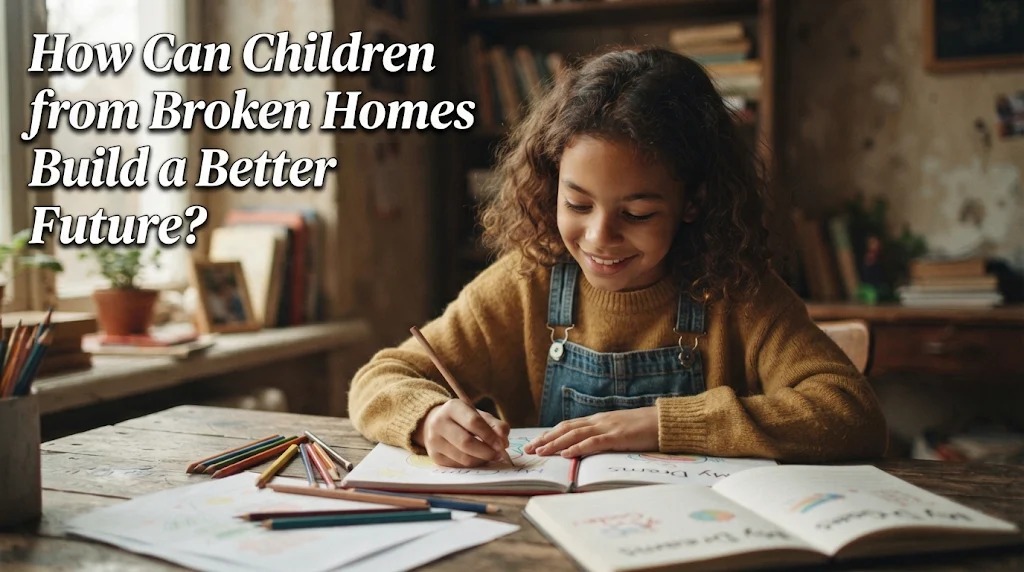
Growing up in a broken home can be a difficult experience for children. Family separation, parental conflict, and a lack of emotional support may affect their confidence, mental health, education, and relationships. Some children may feel lonely, disappointed, or worried about their future because they do not experience the family situation they expected.
However, coming from a broken home does not mean that children cannot achieve success or have a happy life. Their family background does not determine their abilities, personality, or future opportunities. With positive habits, emotional support, education, and determination, children can overcome difficult experiences and build a better future.
ACCEPT AND UNDERSTAND PERSONAL EXPERIENCES
The first step toward building a better future is learning to accept personal experiences. Children from broken homes may experience sadness, anger, disappointment, or confusion about their family situation. These feelings are natural, and they should not feel ashamed of expressing them. Understanding that parental problems are not their responsibility can help children avoid unnecessary guilt.
Acceptance does not mean that children must forget painful experiences or immediately feel comfortable with their circumstances. Instead, it means learning to understand what happened without allowing the past to control every decision. Talking with trusted people, writing personal thoughts, or seeking professional support can help them process difficult emotions. This process can gradually build emotional strength and encourage a healthier outlook on life.
DEVELOP SELF-CONFIDENCE AND POSITIVE THINKING
Self-confidence is important for children who want to create a better future despite difficult family circumstances. Some children from broken homes may feel different from their friends or believe that their family background makes them less valuable. These negative thoughts can prevent them from recognizing their abilities and pursuing their goals. Therefore, they need to understand that their worth is not determined by their parents' relationship.
Developing positive thinking can help children focus on their strengths rather than their limitations. They can start by recognizing small achievements, learning new skills, and setting realistic personal goals. Parents, teachers, and supportive friends can also encourage them to believe in their potential. With consistent practice, children can become more confident in making decisions and facing challenges.
FOCUS ON EDUCATION AND PERSONAL DEVELOPMENT
Education provides children with important opportunities to improve their lives and achieve independence. Although family problems may sometimes affect concentration and academic performance, children should not allow these difficulties to eliminate their motivation to learn. Developing good study habits, managing time effectively, and participating in educational activities can help them improve their knowledge and abilities.
Besides formal education, personal development is also essential for preparing for the future. Children can explore their interests, develop communication skills, learn problem-solving, and participate in activities that encourage creativity. These experiences can help them discover their strengths and understand which career paths suit their abilities. By investing in education and continuous learning, they can create more opportunities for themselves.
BUILD HEALTHY RELATIONSHIPS AND SEEK POSITIVE SUPPORT
Having healthy relationships can help children from broken homes feel accepted, understood, and emotionally supported. They can build positive connections with trusted relatives, friends, teachers, and other responsible adults. These relationships provide opportunities to share experiences, receive advice, and learn how to communicate effectively. A supportive environment can also reduce feelings of loneliness and insecurity.
Children should learn to recognize relationships that involve respect, honesty, and mutual understanding. They should avoid people who constantly criticize, manipulate, or make them feel worthless. Building healthy friendships can teach them that meaningful relationships do not have to involve fear or emotional pressure. If family problems create serious emotional difficulties, speaking with a psychologist or counselor can also provide valuable guidance.
LEARN TO MANAGE EMOTIONS AND OVERCOME CHALLENGES
Emotional management is an important skill for children who have experienced family difficulties. They may sometimes feel angry, anxious, disappointed, or frustrated when remembering painful events. Learning to recognize these emotions can help them respond to difficult situations more calmly. Healthy activities such as exercising, writing, reading, and practicing relaxation can also support emotional well-being.
Children should also understand that experiencing difficulties does not mean they are weak or incapable of succeeding. Every person faces different challenges, and learning how to respond to them can encourage personal growth. When emotions become overwhelming or interfere with everyday activities, professional assistance may be necessary. Developing healthy coping strategies can help children become more resilient and prepared for future challenges.
SET REALISTIC GOALS AND BUILD A CLEAR FUTURE PLAN
Having clear goals can give children a sense of direction and motivation to improve their lives. They can begin by identifying what they want to achieve in education, personal development, and future careers. These goals do not need to be complicated because small and realistic targets can create meaningful progress. For example, completing school assignments regularly or learning a new skill can become important steps toward long-term success.
Children should also learn to evaluate their progress and adjust their plans when necessary. Some goals may take longer to achieve, and setbacks are a normal part of personal development. Instead of giving up, they can use difficulties as opportunities to learn and improve. With patience, discipline, and consistent effort, children can gradually create a future that reflects their interests, abilities, and ambitions.
CONCLUSION
Children from broken homes can build a better future by accepting their experiences, developing self-confidence, focusing on education, and maintaining healthy relationships. Learning to manage emotions and setting realistic goals can also help them become more independent and resilient. Although family difficulties may influence their childhood experiences, they do not determine their entire future. With positive support, determination, and opportunities for personal growth, every child has the potential to achieve success and live a meaningful life.
Recent Posts

Bagaimana Cara Membangun Komunikasi yang Baik... 18.11.2026/45 View
Mengapa Keluarga Cemara Mengajarkan Arti Kebahagiaan... 18.11.2026/49 View

Mengapa Tradisi Keluarga Penting untuk Mempererat... 18.11.2026/48 View
Apa yang Membuat Keluarga Cemara Tetap... 18.11.2026/47 View

Mengapa Silaturahmi Menjadi Bagian Penting dalam... 18.11.2026/48 View
