

How Can Citizens Recognize Political Bribery During Election Campaigns?
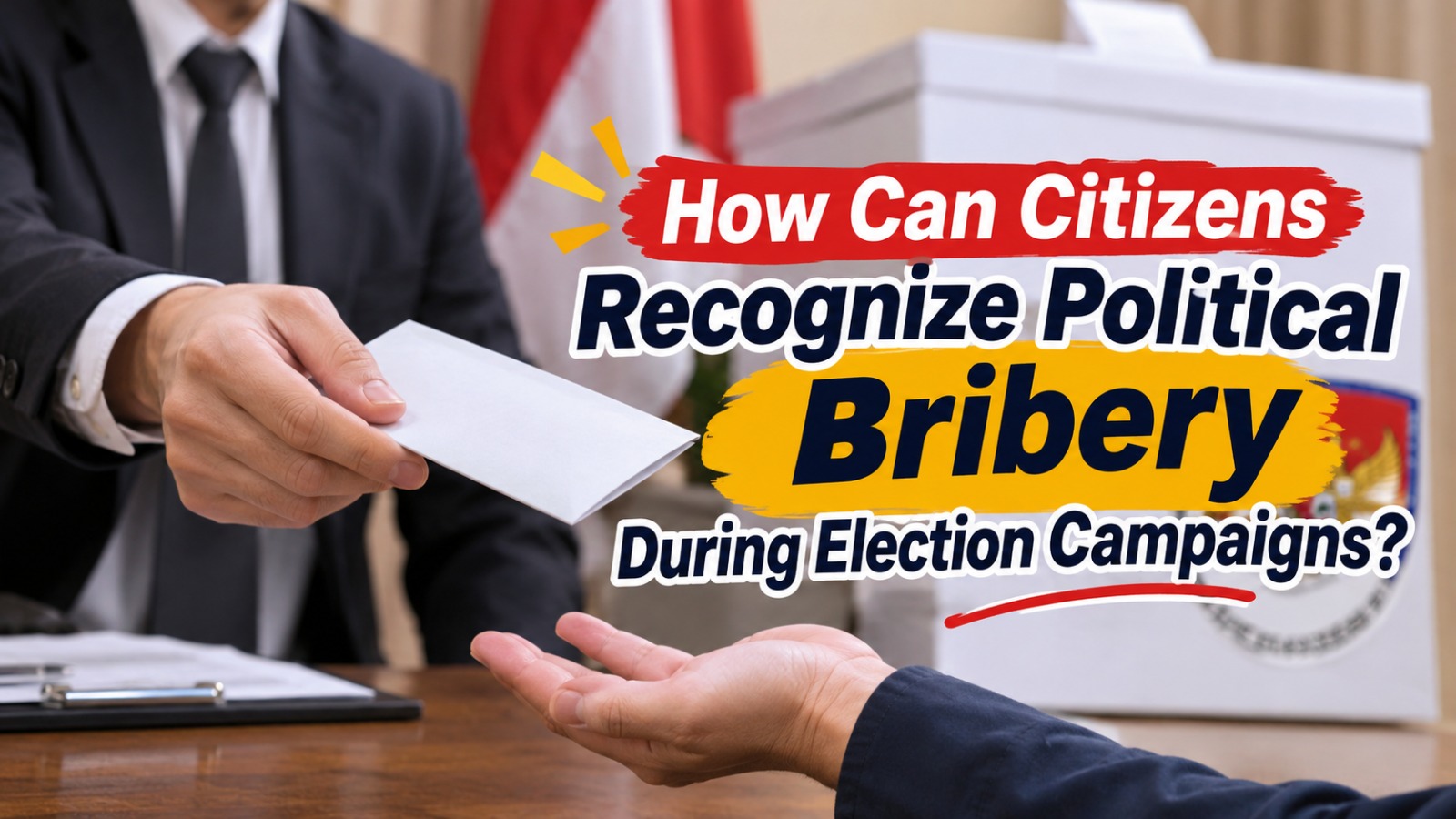
Political bribery is a serious threat to fair elections and democratic values. During election campaigns, candidates and political groups may attempt to influence voters through money, gifts, promises, or other personal benefits. These activities can make citizens choose political leaders based on material rewards rather than their abilities, policies, and commitment to public welfare. Although some campaign activities involve legitimate assistance or political communication, others may contain hidden intentions to manipulate voter decisions. Recognizing the signs of political bribery is important because citizens have the right to participate in elections without pressure, threats, or illegal financial influence. With sufficient political awareness, voters can help protect electoral fairness and strengthen democracy.
UNDERSTANDING POLITICAL BRIBERY DURING ELECTION CAMPAIGNS
Political bribery during election campaigns refers to attempts to influence political support or voting decisions through money, gifts, services, or other benefits offered in exchange for certain political actions. This practice can involve candidates, campaign teams, political party members, or individuals acting on behalf of political interests. One common example is offering cash to voters in exchange for supporting a particular candidate. Other forms may include distributing valuable goods, providing personal assistance with hidden political conditions, or promising special treatment after an election.
However, citizens need to understand that not every campaign activity automatically represents bribery. Candidates are generally allowed to introduce their programs, distribute permitted campaign materials, and communicate their political ideas according to applicable regulations. The important difference is whether a benefit is intended to improperly influence someone's political choice or violate election laws. Voter independence must remain protected so that every citizen can make decisions based on personal judgment rather than financial pressure.
RECOGNIZING COMMON SIGNS OF POLITICAL BRIBERY
One of the easiest ways to recognize possible political bribery is by observing unusual financial offers during election campaigns. Voters should be cautious when individuals distribute cash, expensive gifts, groceries, or other valuable items while asking for support for a particular candidate. These activities may become more suspicious when recipients are instructed to vote for a specific person or political party. Another warning sign is the distribution of benefits through unofficial representatives who attempt to hide the identity of the people responsible for the activity.
Political bribery can also occur through promises of personal advantages after an election. For example, a candidate or campaign representative may promise government positions, business opportunities, or special access to public services in exchange for political loyalty. In some situations, voters may experience pressure, intimidation, or threats if they refuse to support a particular candidate. Citizens should recognize that vote buying, hidden political agreements, and coercive campaign practices can undermine democratic freedom. Paying attention to these warning signs helps voters distinguish legitimate political campaigns from potentially unlawful activities.
THE IMPORTANCE OF PUBLIC AWARENESS AND CRITICAL THINKING
Public awareness plays an essential role in preventing political bribery because informed citizens are less likely to be manipulated by financial incentives. Voters should learn about election regulations, understand their political rights, and recognize the responsibilities of candidates and campaign organizations. They should also examine campaign promises carefully instead of accepting every statement without evaluation. By comparing candidates' programs, experience, and public records, citizens can make more responsible political decisions.
Critical thinking is equally important when voters encounter attractive offers during election periods. Citizens should ask whether a benefit is part of a legitimate campaign activity or an attempt to purchase political support. They can also discuss suspicious activities with trusted community members and seek information from reliable sources. Furthermore, political education programs organized by schools, communities, and civil society organizations can improve public understanding of electoral integrity. When citizens understand how political bribery works, they become better prepared to reject manipulation and protect their voting rights.
HOW CITIZENS CAN REPORT AND PREVENT POLITICAL BRIBERY
Citizens can help prevent political bribery by refusing money, gifts, or other benefits offered in exchange for their votes. They should also avoid participating in activities that involve illegal campaign payments or agreements intended to manipulate election results. If they witness suspicious conduct, they can collect relevant information, such as the time, location, individuals involved, and available supporting evidence, provided that doing so is safe and lawful. Reports can then be submitted through official election supervision or law enforcement channels according to the applicable procedures.
In Indonesia, citizens can report suspected election violations to Bawaslu (the Election Supervisory Agency) through its available reporting mechanisms. Reports should contain clear information and supporting evidence whenever possible so that authorities can examine the allegations properly. Journalists, community organizations, and election observers can also help monitor campaign activities and raise public awareness. Cooperation between citizens and supervisory institutions is important because preventing political bribery cannot depend on government agencies alone. Through active participation and responsible reporting, society can help create elections that are more transparent, fair, and trustworthy.
CONCLUSION
Citizens can recognize political bribery during election campaigns by identifying suspicious cash distributions, valuable gifts, personal promises, and attempts to influence voting decisions through pressure or illegal benefits. Understanding the difference between legitimate campaign activities and bribery is essential for protecting voter independence. Public awareness, critical thinking, and knowledge of election regulations can help citizens avoid political manipulation. Furthermore, reporting suspected violations to the appropriate authorities supports efforts to maintain electoral integrity. By rejecting vote buying and participating responsibly, citizens can protect democratic values and encourage the development of a fair political system.
Recent Posts

How Does Technology Make Daily Evaluation... 21.11.2026/58 View

Apa Strategi Menghadapi Kesenjangan antara Kompetensi... 21.11.2026/60 View

Mengapa Inventaris Aset Penting bagi Kelancaran... 21.11.2026/56 View

When Should Musicians Join a Record... 21.11.2026/55 View

Daily Evaluation or Daily Planning Which... 21.11.2026/63 View
