

How Can Communities Adapt To Climate Change?
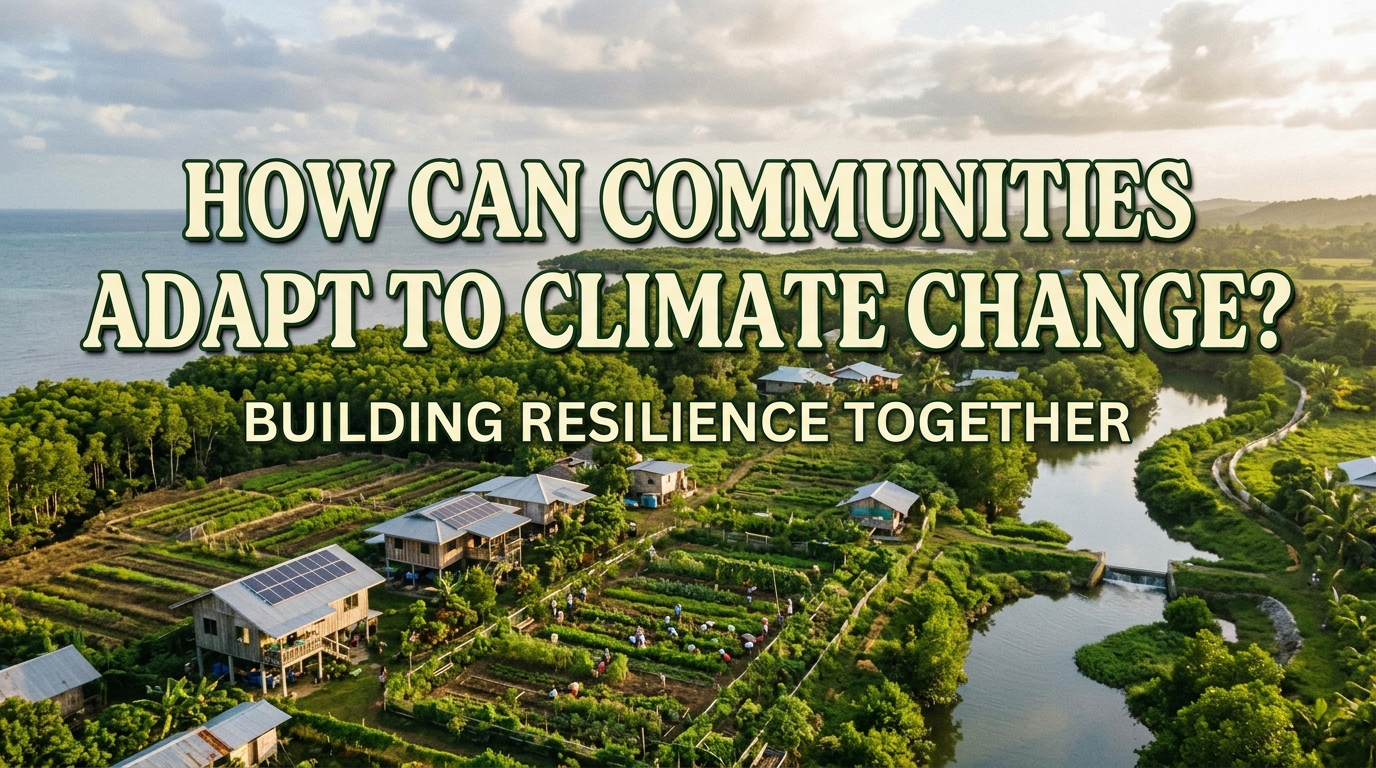
Climate change is affecting communities around the world through rising temperatures, changing rainfall patterns, floods, droughts, and stronger storms. These changes can damage homes, reduce food production, threaten public health, and disrupt daily activities. Communities need to understand these risks and prepare for their possible impacts. Climate change adaptation means taking practical actions to reduce harm and protect people, natural resources, and local economies. By working together, sharing knowledge, and developing sustainable solutions, communities can become more resilient and better prepared for future climate challenges.
UNDERSTANDING LOCAL CLIMATE RISKS
The first step in adapting to climate change is identifying local climate risks. Different communities face different challenges depending on their geographical location, environment, and economic activities. For example, coastal communities may experience rising sea levels and coastal flooding, while agricultural areas may suffer from droughts and unpredictable rainfall. Cities can face extreme heat and urban flooding because of limited green spaces and drainage problems. Understanding these risks helps communities determine which areas and groups need the most attention.
Communities can collect information from weather records, local observations, scientific research, and discussions with residents. Risk assessments help identify vulnerable locations, important infrastructure, and people who may need additional support, such as older adults, children, and people with disabilities. Local governments can use this information to develop suitable adaptation plans. By understanding potential dangers before they become emergencies, communities can make better decisions and reduce future losses.
IMPROVING INFRASTRUCTURE AND EARLY WARNING SYSTEMS
Strong infrastructure is essential for protecting communities from climate-related disasters. Governments can improve drainage systems, strengthen bridges, build flood barriers where appropriate, and ensure that buildings meet suitable safety standards. In areas affected by extreme heat, communities can create shaded public spaces and improve ventilation in homes and schools. Infrastructure projects should consider future climate conditions rather than relying only on historical weather patterns. Climate-resilient infrastructure can reduce damage, protect essential services, and help communities recover more quickly after disasters.
Another important measure is developing early warning systems that provide timely information about floods, storms, heatwaves, and other hazards. Warnings can be shared through text messages, radio broadcasts, mobile applications, community announcements, and local communication networks. However, warnings are only effective when people understand them and know what actions to take. Communities should organize emergency drills, prepare evacuation routes, and identify safe shelters. These preparations can save lives and reduce the impact of extreme weather events.
PROTECTING NATURE AND RESTORING ECOSYSTEMS
Healthy ecosystems provide natural protection against many climate-related hazards. Mangrove forests can reduce coastal erosion and help lessen the impact of waves, while wetlands can absorb excess water during heavy rainfall. Forests help regulate local temperatures, protect soil, and support water supplies. Planting suitable trees in urban areas can also provide shade and reduce the urban heat island effect. Protecting and restoring these natural environments is an important part of community climate adaptation.
Communities can participate in activities such as planting native trees, restoring damaged wetlands, protecting mangroves, and reducing pollution in rivers. These efforts should use appropriate local species and consider the needs of nearby residents and wildlife. Nature-based solutions can provide environmental benefits while supporting livelihoods, tourism, and biodiversity. However, they should complement rather than completely replace necessary infrastructure and emergency planning. Ecosystem protection helps communities manage climate risks while preserving natural resources for future generations.
ADAPTING AGRICULTURE AND PROTECTING FOOD SUPPLIES
Climate change can make farming more difficult because of changing rainfall, rising temperatures, droughts, and new pest pressures. Farmers can adapt by planting drought-resistant crops, adjusting planting schedules, and using water more efficiently. Drip irrigation, rainwater harvesting, and improved soil management can help conserve water and maintain agricultural productivity. Farmers can also diversify the crops they grow to reduce dependence on a single source of income. These practices can make food production more resilient to changing environmental conditions.
Communities can support local farmers through agricultural training, access to climate information, and improved storage facilities. Food banks, community gardens, and local food-sharing programs can help households during periods of shortage. Governments and agricultural organizations can also provide information about crop varieties suited to changing local conditions. Sustainable agriculture helps protect food security while reducing pressure on land and water resources. By preparing for possible crop failures, communities can reduce economic losses and improve access to nutritious food.
STRENGTHENING COMMUNITY EDUCATION AND COOPERATION
Climate adaptation becomes more effective when residents understand the risks and participate in finding solutions. Schools, community groups, local organizations, and governments can organize educational programs about disaster preparedness, water conservation, waste management, and environmental protection. These activities help people understand how climate change affects their daily lives and what they can do to reduce its impacts. Practical training can also teach residents how to respond safely during emergencies. Climate education encourages informed decisions and strengthens community preparedness.
Cooperation is especially important because climate-related problems often affect entire neighborhoods rather than individual households. Residents can work together to clean drainage channels, protect shared water sources, prepare emergency supplies, and support vulnerable neighbors. Local governments should involve communities in planning so that adaptation measures reflect their actual needs and available resources. Financial support and technical assistance can help low-income households take protective actions. Community participation creates shared responsibility and helps ensure that adaptation plans are fair, practical, and effective.
USING TECHNOLOGY AND LOCAL KNOWLEDGE
Technology can help communities prepare for climate change by improving access to useful information. Weather forecasting services, satellite observations, digital maps, and mobile applications can help identify potential hazards and monitor environmental changes. Farmers can use weather forecasts to plan planting activities, while local authorities can use flood maps to identify areas that require better protection. Digital communication can also help distribute emergency information quickly. When used correctly, climate information technology can support faster and better-informed decisions.
At the same time, traditional and local knowledge can provide valuable information about environmental changes. Residents who have lived in an area for many years may recognize seasonal patterns, flood-prone locations, and changes in water availability. Combining this knowledge with scientific evidence can produce more effective adaptation strategies. However, local observations should be assessed alongside reliable data, especially when climate conditions are changing rapidly. Combining science and local knowledge allows communities to develop solutions that are both practical and suitable for their environment.
DEVELOPING LONG-TERM CLIMATE ADAPTATION PLANS
Communities need long-term plans to ensure that adaptation efforts continue beyond individual projects or emergencies. These plans should establish clear priorities, assign responsibilities, identify funding sources, and set realistic targets. For example, a coastal community may prioritize mangrove restoration and evacuation planning, while a city may focus on improving drainage and expanding green spaces. Adaptation plans should also consider housing, healthcare, transportation, education, and other essential services. Long-term planning helps communities prepare for future risks rather than responding only after damage occurs.
Adaptation plans must be reviewed regularly because climate risks, population needs, and available resources can change over time. Communities can measure progress by monitoring flood damage, water availability, crop production, emergency response times, and the condition of natural ecosystems. Public feedback can reveal whether projects are working and whether some groups remain at risk. Governments should adjust their strategies when evidence shows that improvements are needed. Continuous monitoring and evaluation help ensure that adaptation efforts remain effective, inclusive, and sustainable.
CONCLUSION
Communities can adapt to climate change by understanding local risks, improving infrastructure, protecting ecosystems, strengthening agriculture, and preparing for extreme weather events. Education, technology, local knowledge, and cooperation also play important roles in reducing climate-related harm. Successful adaptation requires long-term planning, adequate resources, and active community participation. Governments, organizations, businesses, and residents must work together to develop solutions that meet local needs. Although climate change presents serious challenges, communities can reduce their vulnerability and build a safer, healthier, and more resilient future through practical and consistent action.
Recent Posts

Bagaimana Sistem SKS pada Program Kuliah... 22.11.2026/50 View

How Does Technology Make Daily Evaluation... 21.11.2026/80 View

Apa Strategi Menghadapi Kesenjangan antara Kompetensi... 21.11.2026/79 View

Mengapa Inventaris Aset Penting bagi Kelancaran... 21.11.2026/75 View

When Should Musicians Join a Record... 21.11.2026/80 View
