

How Can Communities Manage a Village Tourism Destination in a Sustainable Way?
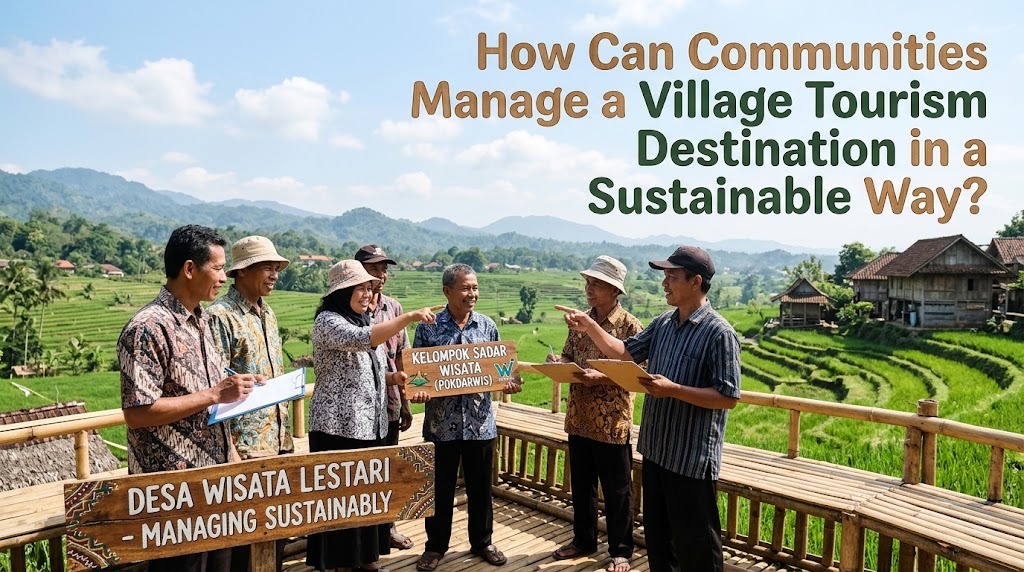
Village tourism has become an important opportunity for communities to improve their local economy while preserving natural resources and cultural heritage. Many villages have attractive landscapes, traditional activities, historical sites, and local products that can become valuable tourism attractions. However, tourism development can also create challenges, such as environmental pollution, excessive use of natural resources, and changes in local traditions. Therefore, communities need to manage tourism destinations carefully to ensure that development provides long-term benefits. Sustainable village tourism management requires cooperation, responsible planning, environmental protection, and active participation from local residents.
INVOLVING LOCAL COMMUNITIES IN TOURISM MANAGEMENT
Community participation is one of the most important foundations of sustainable village tourism. Residents should be involved in planning, managing, and evaluating tourism activities because they understand the local environment, culture, and community needs. Village Tourism Awareness Groups can organize meetings and discussions to collect suggestions from residents and establish shared development priorities. This approach helps ensure that tourism programs reflect local interests rather than focusing only on attracting visitors. Active participation also creates a stronger sense of responsibility among community members.
In addition, communities should have fair opportunities to benefit from tourism activities. Local residents can participate as tour guides, business owners, cultural performers, accommodation providers, and tourism service workers. Village governments and tourism groups should encourage cooperation among different community members to prevent tourism opportunities from being controlled by only a few individuals. Transparent decision-making is also necessary to maintain public trust. When residents feel involved and receive meaningful benefits, they are more likely to support sustainable tourism development.
PROTECTING THE ENVIRONMENT AND NATURAL RESOURCES
Environmental protection is essential because natural attractions often become the main reason tourists visit rural destinations. Mountains, rivers, forests, beaches, agricultural landscapes, and other natural resources need proper management to prevent environmental damage. Communities can organize regular cleaning activities, tree planting programs, waste collection, and environmental education campaigns. These activities help maintain the cleanliness and attractiveness of tourism destinations. They also encourage residents and visitors to understand their responsibility toward the environment.
Furthermore, tourism groups should establish clear guidelines for activities that may affect natural resources. Visitors should be encouraged to dispose of waste properly, avoid damaging plants, and respect wildlife habitats. Communities can also monitor water consumption, energy use, and the environmental impact of tourism facilities. If certain areas become overcrowded, visitor activities may need to be managed to reduce pressure on the environment. Through consistent conservation efforts, villages can protect their natural attractions while maintaining tourism opportunities for future generations.
PRESERVING LOCAL CULTURE AND TRADITIONAL HERITAGE
Cultural preservation is another important element of sustainable village tourism. Every village has unique traditions, local knowledge, traditional arts, ceremonies, and culinary practices that represent its identity. Communities can introduce these cultural resources through traditional performances, handicraft workshops, cultural festivals, and educational tourism activities. These programs allow visitors to learn about local heritage while providing opportunities for residents to maintain their traditions. Cultural tourism can also create additional income for local artists and traditional business owners.
However, cultural activities should be presented respectfully and should not change traditional practices solely to satisfy tourist expectations. Village Tourism Awareness Groups need to cooperate with traditional leaders and cultural practitioners when planning cultural programs. Certain ceremonies may have sacred or private meanings and should not automatically become public tourism attractions. Younger generations should also be encouraged to learn traditional knowledge from older residents. By protecting cultural authenticity, communities can maintain their identity while introducing their heritage to visitors.
DEVELOPING RESPONSIBLE TOURISM FACILITIES AND SERVICES
Tourism facilities should be developed according to the needs of visitors and the environmental conditions of the village. Communities can improve basic infrastructure such as roads, parking areas, public toilets, waste disposal facilities, information centers, and walking paths. However, construction should be planned carefully to avoid damaging natural landscapes or reducing the village's cultural character. Using locally available materials and environmentally responsible designs can help minimize negative impacts. Proper maintenance is also necessary to ensure that facilities remain safe and comfortable.
In addition to physical facilities, tourism services should follow responsible management practices. Local tour guides and tourism workers need to understand visitor safety, hospitality, environmental awareness, and local cultural regulations. Communities can provide clear information about destination rules, available activities, and appropriate visitor behavior. Tourism groups should also monitor service quality and respond to complaints or suggestions. Good facilities and responsible services can improve visitor satisfaction without placing unnecessary pressure on local resources.
STRENGTHENING LOCAL ECONOMIC ACTIVITIES THROUGH TOURISM
Sustainable tourism should provide economic benefits for local communities rather than allowing most tourism income to flow outside the village. Communities can encourage residents to establish small businesses, including food stalls, homestays, souvenir shops, transportation services, and handicraft production. Tourism groups can help promote these businesses and connect them with visitors. Local agricultural products and traditional food can also become part of tourism experiences. This approach helps create additional sources of income and supports local entrepreneurship.
Cooperation among local businesses is equally important for creating a stronger village tourism economy. Farmers, craft producers, food sellers, accommodation owners, and tourism service providers can work together to develop tourism packages. For example, visitors may participate in agricultural activities, enjoy traditional meals, and purchase locally made products during one trip. Tourism income can also support destination maintenance, cultural preservation, and community development programs. When economic benefits are distributed fairly, tourism becomes a stronger foundation for long-term community welfare.
MONITORING AND EVALUATING SUSTAINABLE TOURISM PROGRAMS
Regular monitoring and evaluation help communities understand whether their tourism management practices are producing positive results. Village Tourism Awareness Groups can assess several aspects, including visitor numbers, community participation, local business income, environmental conditions, and visitor satisfaction. These indicators provide useful information about the strengths and weaknesses of existing programs. Evaluation also helps identify problems before they become more difficult to manage. By reviewing their progress regularly, communities can make better development decisions.
Furthermore, monitoring should involve residents, village governments, local businesses, and other relevant stakeholders. Their feedback can reveal whether tourism activities are creating environmental problems, social conflicts, or unequal economic opportunities. Tourism groups can use this information to improve regulations, adjust promotional strategies, and develop more appropriate programs. They should also communicate evaluation results transparently so that residents understand the progress of tourism development. Continuous improvement ensures that tourism management remains responsive to community needs and environmental conditions.
CONCLUSION
Communities can manage village tourism destinations sustainably through active participation, environmental protection, cultural preservation, responsible infrastructure development, and support for local economic activities. Regular monitoring and cooperation among residents, tourism groups, village governments, and businesses are also essential for maintaining effective management. Tourism development should not focus only on increasing visitor numbers but also on protecting resources and improving community welfare. With proper planning and shared responsibility, villages can develop attractive destinations without sacrificing their natural environment and cultural identity. Sustainable tourism management can therefore create long-term benefits for both local communities and future generations.
Recent Posts

Bagaimana Sistem SKS pada Program Kuliah... 22.11.2026/37 View

How Does Technology Make Daily Evaluation... 21.11.2026/70 View

Apa Strategi Menghadapi Kesenjangan antara Kompetensi... 21.11.2026/73 View

Mengapa Inventaris Aset Penting bagi Kelancaran... 21.11.2026/68 View

When Should Musicians Join a Record... 21.11.2026/71 View
