

How Can Communities Participate in Cultural Heritage Preservation?
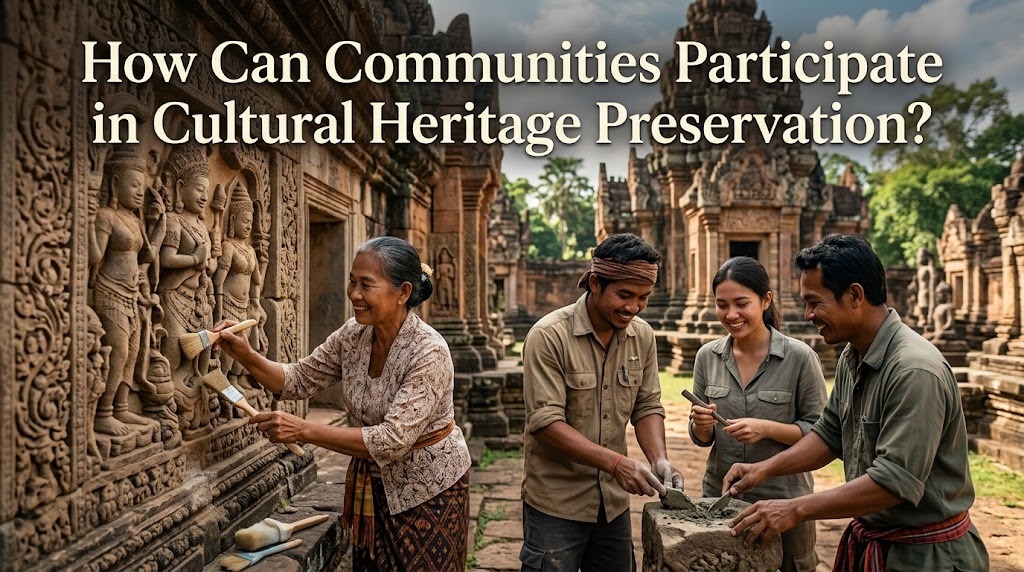
Cultural heritage is an important part of a community's identity, history, and traditions. It includes local languages, traditional dances, historical buildings, traditional clothing, crafts, music, and customs passed down through generations. Preserving cultural heritage requires active participation from community members because they understand the meaning and value of their traditions. Through cooperation, education, and local activities, communities can help protect cultural heritage and pass it on to future generations. Their involvement also ensures that cultural traditions remain meaningful in modern society.
PARTICIPATING IN TRADITIONAL CULTURAL ACTIVITIES
One way communities can preserve cultural heritage is by actively participating in traditional activities. These activities include cultural festivals, traditional ceremonies, local dances, music performances, and customary celebrations. When community members take part in these events, they help keep cultural practices alive and introduce them to younger generations. Regular participation also strengthens relationships among residents and creates opportunities to share cultural knowledge.
For example, Indonesian communities can organize traditional dance performances, batik workshops, and regional food festivals. Older residents can teach younger people the meaning behind particular customs and explain how they have changed over time. These activities make cultural learning more engaging than simply reading about traditions in books. By practicing and celebrating their heritage, communities help ensure that valuable traditions continue to exist.
TEACHING CULTURAL KNOWLEDGE TO YOUNGER GENERATIONS
Passing cultural knowledge to younger generations is essential for long-term preservation. Parents, grandparents, elders, and cultural practitioners can share traditional stories, local languages, folk songs, and knowledge about customary practices. These lessons help children understand their cultural roots and develop respect for their community's history. They also create stronger connections between generations.
Communities can organize storytelling sessions, traditional art classes, and cultural learning programs for children and teenagers. Local experts can demonstrate traditional crafts or explain the historical meaning of cultural ceremonies. Schools and youth organizations can cooperate with families to provide more opportunities for practical learning. When young people are encouraged to participate, they can become active supporters of cultural heritage preservation.
PROTECTING HISTORICAL SITES AND CULTURAL OBJECTS
Communities can help preserve cultural heritage by protecting historical buildings, monuments, traditional houses, and other culturally important places. These locations provide evidence of the past and help people understand how their communities developed. Residents can participate in community cleanups, report vandalism, and encourage visitors to follow conservation rules. They can also support local initiatives to maintain traditional public spaces and protect important cultural objects.
However, historical buildings and valuable artifacts may require professional conservation. Community members should work with heritage specialists and relevant authorities before undertaking restoration or repair projects. They should also avoid removing historical objects or making unauthorized changes to protected sites. Cooperation between residents and conservation professionals helps protect cultural resources without damaging their historical value.
ORGANIZING COMMUNITY CULTURAL EVENTS
Cultural events create opportunities for communities to celebrate and share their heritage. Festivals, exhibitions, traditional performances, and craft markets allow residents to introduce their customs to visitors and younger generations. These events can also help local artists and cultural practitioners gain recognition for their skills. By working together to organize activities, community members can strengthen cultural pride and social connections.
Local organizations can invite traditional musicians, dancers, craftspeople, and historians to participate in these events. Residents can help with planning, promotion, event management, and educational activities. Cultural events can also encourage dialogue between people from different backgrounds. When organized respectfully, they help keep traditions visible and encourage broader appreciation of cultural diversity.
USING DIGITAL TECHNOLOGY TO SHARE CULTURAL HERITAGE
Digital technology allows communities to document and share cultural heritage with a wider audience. Residents can record traditional stories, photograph cultural objects, and create videos explaining local customs. These materials can be shared through websites, digital archives, and social media platforms. Digital documentation is especially useful for preserving information about traditions that are becoming less common.
Young people can work with elders and cultural practitioners to create accurate and informative digital content. Interviews can record personal memories, while digital collections can help preserve regional songs, local expressions, and traditional craft techniques. Communities should obtain permission before recording individuals or sharing culturally sensitive information. By combining traditional knowledge with modern technology, communities can make cultural heritage more accessible while respecting its origins.
SUPPORTING LOCAL ARTISTS AND TRADITIONAL CRAFTSPEOPLE
Local artists and craftspeople play an important role in maintaining cultural heritage. Their knowledge of traditional weaving, pottery, wood carving, textile production, music, and other art forms often develops through years of practice. Communities can support these practitioners by purchasing authentic local products, attending performances, and recommending their work to others. This support can help them earn a living and continue teaching their skills.
Community organizations can also create craft exhibitions, training workshops, and local markets where traditional products can reach more people. Experienced craftspeople can mentor young learners and explain the cultural meaning behind their work. Modern designs and marketing methods may help traditional crafts attract new audiences, provided that cultural significance and authenticity are respected. Supporting cultural practitioners helps preserve both traditional skills and the livelihoods connected to them.
COOPERATING WITH GOVERNMENTS AND CULTURAL ORGANIZATIONS
Community participation becomes more effective when residents cooperate with governments, schools, museums, and cultural organizations. These institutions may provide funding, professional expertise, educational materials, and legal protection for important cultural resources. Community members can share local knowledge, identify threatened traditions, and contribute to decisions about preservation projects. Their involvement helps ensure that preservation efforts reflect the needs and experiences of the people whose heritage is being protected.
Communities can propose cultural education programs, participate in heritage conservation projects, and seek support for documenting local traditions. They can also help authorities identify historical sites that need attention or cultural practices that require further support. Decisions should include relevant community members, especially when traditions have particular cultural or spiritual significance. Through cooperation, preservation initiatives can become more inclusive, sustainable, and effective.
CONCLUSION
Communities can participate in cultural heritage preservation by practicing traditional activities, teaching younger generations, protecting historical sites, organizing cultural events, using digital technology, supporting local artists, and cooperating with relevant institutions. Each activity contributes to maintaining the history, identity, and traditions that make a community unique. These efforts are most effective when residents work together and respect the knowledge of cultural practitioners.
Preserving cultural heritage is a shared responsibility that begins with everyday actions. Learning a local language, attending a traditional festival, supporting local craftspeople, or recording an elder's stories can make a meaningful contribution. By maintaining these practices and passing cultural knowledge to younger generations, communities can ensure that their heritage remains valuable for the future.
Recent Posts

Bagaimana Sistem SKS pada Program Kuliah... 22.11.2026/49 View

How Does Technology Make Daily Evaluation... 21.11.2026/77 View

Apa Strategi Menghadapi Kesenjangan antara Kompetensi... 21.11.2026/78 View

Mengapa Inventaris Aset Penting bagi Kelancaran... 21.11.2026/74 View

When Should Musicians Join a Record... 21.11.2026/79 View
