

How Can Communities Reduce the Risk of Urban Flooding?
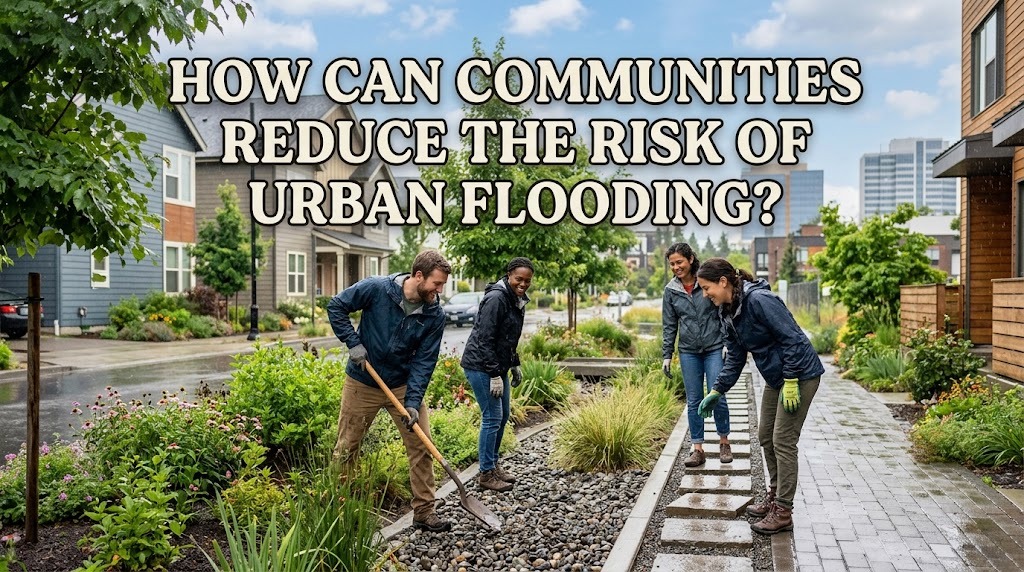
Urban flooding is a serious problem that can damage homes, disrupt transportation, harm public health, and affect local economic activities. Heavy rainfall, inadequate drainage, excessive waste, and the loss of green spaces can make flooding more likely in densely populated areas. Although local governments play an important role in flood prevention, communities can also contribute through practical actions and collective efforts. By improving environmental awareness, maintaining drainage systems, and preparing for emergencies, residents can help reduce flood risks and create safer neighborhoods.
KEEPING DRAINS AND WATERWAYS CLEAN
One of the simplest ways communities can reduce urban flooding is by keeping drains, canals, and waterways free from waste. Plastic bags, food packaging, leaves, and other debris can block water channels and prevent rainwater from flowing efficiently. When drainage systems become obstructed, water may accumulate on roads, enter homes, and flood nearby public facilities.
Residents can help by disposing of household waste properly and avoiding the practice of throwing rubbish into drains or rivers. Neighborhood groups can organize regular cleaning activities to remove visible debris from accessible drainage areas. However, cleaning should be conducted safely, with appropriate equipment and support from local authorities when drains are deep, contaminated, or structurally dangerous.
PROTECTING GREEN SPACES AND TREES
Green spaces help reduce the amount of rainwater that flows directly across urban surfaces. Trees, gardens, parks, and other vegetated areas can intercept rainfall, support water infiltration, and slow runoff. Protecting these areas is especially important in cities where buildings, roads, and parking lots cover much of the land.
Communities can contribute by planting suitable trees, maintaining neighborhood gardens, and protecting existing parks from unnecessary development. Residents can also encourage local authorities to preserve open spaces and include vegetation in new public projects. Although green spaces cannot prevent every flood, they can help manage rainfall when combined with effective drainage and other flood-control measures.
IMPROVING HOUSEHOLD WASTE MANAGEMENT
Poor waste management can contribute to flooding when rubbish enters drainage channels and waterways. Waste that is left on streets or dumped into rivers may be carried by rainwater into narrow drains, where it can accumulate and restrict water movement. This problem can become more serious during periods of intense rainfall.
Households can reduce these risks by separating recyclable materials, using appropriate waste collection services, and avoiding illegal dumping. Community recycling programs and neighborhood waste banks can also encourage responsible disposal practices. By managing waste consistently, residents help keep waterways cleaner and reduce one preventable cause of urban flooding.
PARTICIPATING IN COMMUNITY CLEANUP PROGRAMS
Community cleanup programs allow residents to work together to maintain their surroundings and identify potential flood hazards. Activities may include removing litter from public spaces, clearing accessible drainage entrances, reporting damaged drain covers, and cleaning areas where water frequently collects. These efforts can improve local environmental conditions and increase awareness of flood prevention.
For cleanup programs to remain effective, communities need consistent schedules and clear responsibilities. Neighborhood leaders can coordinate volunteers, communicate with sanitation workers, and report problems that require professional assistance. Regular maintenance is generally more useful than waiting until the rainy season or after flooding has already occurred.
REPORTING FLOOD HAZARDS TO LOCAL AUTHORITIES
Residents often notice local problems before they become serious emergencies. Blocked drainage channels, damaged embankments, overflowing rivers, and repeated water accumulation in particular streets can indicate areas that need attention. Reporting these issues early allows responsible agencies to investigate and take appropriate action.
Communities can use official complaint channels, neighborhood meetings, or local emergency services to communicate flood-related concerns. Reports should include the location, type of problem, and any relevant observations without placing residents in danger. Cooperation between citizens and local authorities helps ensure that flood prevention measures address the needs of the areas most at risk.
PREPARING HOMES FOR HEAVY RAINFALL
Households can take practical steps to reduce potential flood damage before heavy rainfall occurs. Residents can keep drains around their properties clear, secure important documents in waterproof containers, and move valuable belongings away from areas where water may enter. Installing suitable barriers or raising electrical equipment above likely flood levels may also reduce damage, depending on the building and local flood conditions.
Families should understand whether their homes are located in flood-prone areas and identify safe evacuation routes. Emergency supplies may include drinking water, essential medicines, a flashlight, batteries, and basic first-aid materials. Electrical systems should be handled carefully, and residents should never enter floodwater if it may conceal live electrical hazards or dangerous debris.
DEVELOPING EARLY WARNING AND EMERGENCY PLANS
Early warning systems can give communities valuable time to prepare for flooding. Residents should monitor official weather forecasts, local government announcements, and emergency alerts, especially during periods of heavy rain. Neighborhood communication groups can help distribute reliable warnings to people who may not receive information through digital channels.
Communities should also establish clear emergency procedures. These may include identifying evacuation routes, selecting safe meeting points, checking on older residents and people with disabilities, and determining where families can seek temporary shelter. Emergency plans should be discussed and practiced in advance so that residents understand what to do when flooding threatens their area.
EDUCATING RESIDENTS ABOUT FLOOD PREVENTION
Public education helps residents understand how everyday behavior affects flood risks. Community meetings, school activities, posters, and local campaigns can explain the importance of proper waste disposal, drainage maintenance, green spaces, and emergency preparedness. Clear information can also correct the misconception that flooding is caused only by heavy rainfall.
Schools, community organizations, and local leaders can work together to make flood education accessible to different age groups. Practical demonstrations and neighborhood discussions can encourage residents to identify risks around their homes and suggest appropriate solutions. When people understand the causes and consequences of flooding, they are more likely to participate in prevention efforts.
WORKING WITH LOCAL GOVERNMENTS ON FLOOD SOLUTIONS
Community action is important, but many flood problems require professional planning, funding, and infrastructure improvements. Local governments are responsible for tasks such as upgrading drainage networks, maintaining major waterways, managing land use, and developing flood-control infrastructure. Residents can support these efforts by participating in public consultations and communicating recurring problems.
Communities can also advocate for sustainable projects, including rainwater storage, permeable surfaces, restored wetlands, and additional urban green spaces. These approaches can reduce runoff and complement conventional drainage systems. Long-term cooperation between residents, government agencies, and developers helps ensure that urban growth does not unnecessarily increase flood risks.
CONCLUSION
Communities can reduce the risk of urban flooding by keeping waterways clean, managing household waste responsibly, protecting green spaces, and reporting drainage problems. Preparing homes, sharing reliable warnings, and developing emergency plans can further reduce damage and protect lives. However, these actions work best when supported by effective infrastructure and consistent government planning. Through cooperation and continued public participation, communities can build safer, cleaner, and more flood-resilient urban environments.
Recent Posts

Bagaimana Sistem SKS pada Program Kuliah... 22.11.2026/54 View

How Does Technology Make Daily Evaluation... 21.11.2026/83 View

Apa Strategi Menghadapi Kesenjangan antara Kompetensi... 21.11.2026/81 View

Mengapa Inventaris Aset Penting bagi Kelancaran... 21.11.2026/78 View

When Should Musicians Join a Record... 21.11.2026/83 View
