

How Can Community Collaboration Support Cultural Heritage Preservation?
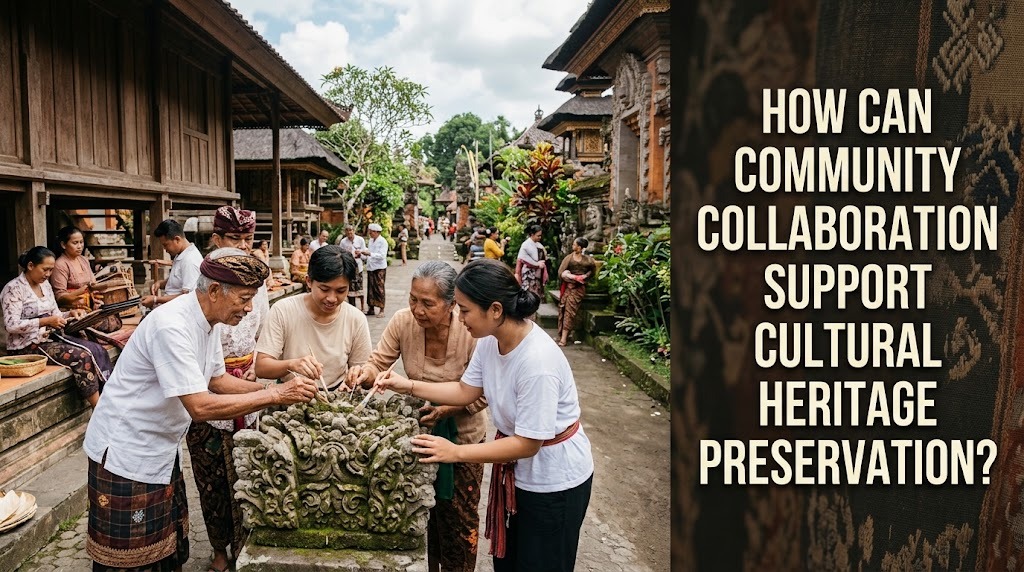
Community collaboration plays an important role in cultural heritage preservation because protecting traditions, historical sites, and cultural knowledge requires the involvement of many people. Families, cultural organizations, local governments, schools, and traditional leaders can work together to protect their shared heritage. Their cooperation helps preserve traditional arts, local languages, historical buildings, ceremonies, and community stories. By combining knowledge, resources, and skills, communities can develop preservation efforts that respond to local needs. Strong collaboration also helps ensure that cultural heritage remains meaningful for future generations.
ENCOURAGING COMMUNITY PARTICIPATION
Community participation helps ensure that cultural heritage preservation reflects the needs and values of local people. Residents can contribute by joining cultural events, maintaining historical sites, sharing traditional knowledge, and participating in preservation projects. Their involvement makes cultural protection a shared responsibility rather than a task handled by a single organization. Community members can also identify traditions and places that need special attention. This local knowledge helps preservation efforts focus on what matters most to the people who maintain the heritage.
Organizers can encourage participation through public meetings, workshops, cultural festivals, and volunteer programs. These activities give residents opportunities to discuss preservation challenges and suggest practical solutions. Including people of different ages and backgrounds can also bring a wider range of perspectives. When community members feel that their contributions are valued, they may become more willing to support long-term projects. Active participation helps build a stronger connection between people and their cultural identity.
PASSING TRADITIONAL KNOWLEDGE TO YOUNGER GENERATIONS
Collaboration between generations is essential for keeping traditional knowledge alive. Elders, artisans, traditional performers, and local historians often possess knowledge that cannot be fully understood through books alone. They can teach younger people traditional dances, music, crafts, cooking methods, local languages, and ceremonial practices. Schools and community organizations can help create opportunities for this knowledge to be shared. These activities allow young people to learn directly from experienced cultural practitioners.
Intergenerational programs can include storytelling sessions, craft workshops, traditional music lessons, and visits to historical places. Young participants can also interview older residents and document their experiences with permission. Such activities help preserve knowledge while strengthening relationships between generations. They encourage young people to appreciate the skills and experiences of their elders. Through continued cooperation, communities can keep traditional practices active rather than allowing them to disappear.
WORKING TOGETHER TO PROTECT HISTORICAL SITES
Protecting historical buildings, monuments, archaeological sites, and traditional settlements often requires cooperation between residents, experts, and local authorities. Community members can report damage, help maintain public spaces, and raise awareness about the importance of historical locations. Conservation specialists can provide technical guidance on appropriate restoration methods. Local governments may support projects through funding, regulations, and planning. Each group contributes different resources and expertise to the preservation process.
Collaboration is especially important because inappropriate repairs or uncontrolled development can damage historical structures. Preservation projects should consider the site's original materials, architectural features, historical significance, and community use. Residents should have opportunities to express their concerns before major changes are made. Regular inspections and maintenance can also help identify problems before they become more serious. By working together, communities can protect historical places while ensuring that preservation decisions are informed and responsible.
SUPPORTING LOCAL ARTISTS AND CULTURAL PRACTITIONERS
Local artists, craftspeople, musicians, dancers, and traditional storytellers play a major role in maintaining living cultural heritage. Community collaboration can help them continue practicing their skills and sharing them with others. Cultural organizations may arrange performances, exhibitions, workshops, and demonstrations to introduce traditional arts to wider audiences. Local businesses can support these activities by providing materials, spaces, or financial assistance. Schools and cultural centers can also offer opportunities for artists to teach their knowledge.
Economic support is important because many traditional skills require considerable time, practice, and specialized materials. Selling handmade products or receiving fair payment for performances can help cultural practitioners sustain their work. However, preservation should not focus only on commercial value. Communities should also protect the cultural meanings, techniques, and traditions connected to these practices. Supporting artists fairly helps maintain the people and knowledge that keep cultural heritage alive.
USING EDUCATION AND DIGITAL TECHNOLOGY
Schools, universities, libraries, and cultural organizations can collaborate to make cultural heritage education more accessible. Teachers may invite local experts to explain traditional customs, while students can conduct supervised research on regional history. Museums and libraries can provide resources that help people understand the significance of cultural objects and historical records. These partnerships connect classroom learning with real community experiences. They also encourage students to recognize cultural preservation as an important part of education.
Digital technology can strengthen these efforts by recording oral histories, documenting traditional performances, and creating online cultural archives. Community members can contribute photographs, videos, stories, and information about local traditions. Experts can help organize and verify the material so that it remains useful for future research. Permission, privacy, ownership, and cultural sensitivity should be considered before recording or publishing traditional knowledge. When used responsibly, technology allows communities to share their heritage with wider audiences while retaining control over how it is represented.
BUILDING PARTNERSHIPS WITH GOVERNMENT AND CULTURAL ORGANIZATIONS
Local communities may have valuable knowledge about their heritage but lack the funding, equipment, or professional support needed for large preservation projects. Partnerships with government agencies, museums, universities, and cultural organizations can help address these limitations. Public institutions may provide grants, conservation expertise, educational materials, or access to historical records. Universities can contribute research, while museums can help document and interpret cultural objects. These partnerships can make preservation projects more organized and sustainable.
Successful cooperation requires clear communication and shared responsibilities. Community representatives should be involved in planning decisions rather than being treated only as sources of information. Partners should agree on project goals, budgets, timelines, and methods for evaluating progress. They should also respect local customs and recognize the rights of communities to participate in decisions about their heritage. Transparent partnerships help build trust and increase the chances that preservation projects will continue over time.
STRENGTHENING CULTURAL IDENTITY AND SOCIAL UNITY
Working together to preserve cultural heritage can strengthen community identity and encourage social unity. Shared activities such as traditional festivals, restoration projects, and cultural exhibitions create opportunities for people to cooperate. Residents can learn about their shared history while appreciating the different experiences within their community. These activities may also encourage respect between generations and cultural groups. As people contribute to a common goal, they can develop a stronger sense of belonging.
Community collaboration can also help younger generations understand why their traditions matter. When they see family members, teachers, local artists, and community leaders working together, cultural preservation becomes a practical part of everyday life. This shared commitment can encourage people to protect regional languages, traditional knowledge, and historical places. At the same time, communities should remain open to respectful dialogue about how traditions change over time. A strong cultural identity can be maintained while allowing traditions to adapt to contemporary needs.
CONCLUSION
Community collaboration supports cultural heritage preservation by bringing together local knowledge, practical skills, financial resources, and shared responsibility. Families and elders can pass down traditions, artists can maintain traditional practices, schools can provide education, and institutions can offer professional support. These efforts help protect historical sites, regional languages, cultural performances, and traditional knowledge. Successful collaboration depends on meaningful participation, respectful communication, and long-term commitment. By working together, communities can keep their cultural heritage alive and ensure that future generations can understand and appreciate their roots.
Recent Posts

Bagaimana Sistem SKS pada Program Kuliah... 22.11.2026/49 View

How Does Technology Make Daily Evaluation... 21.11.2026/77 View

Apa Strategi Menghadapi Kesenjangan antara Kompetensi... 21.11.2026/78 View

Mengapa Inventaris Aset Penting bagi Kelancaran... 21.11.2026/74 View

When Should Musicians Join a Record... 21.11.2026/79 View
