

How Can Companies Address Unfairness in Employee Performance Evaluation Results?
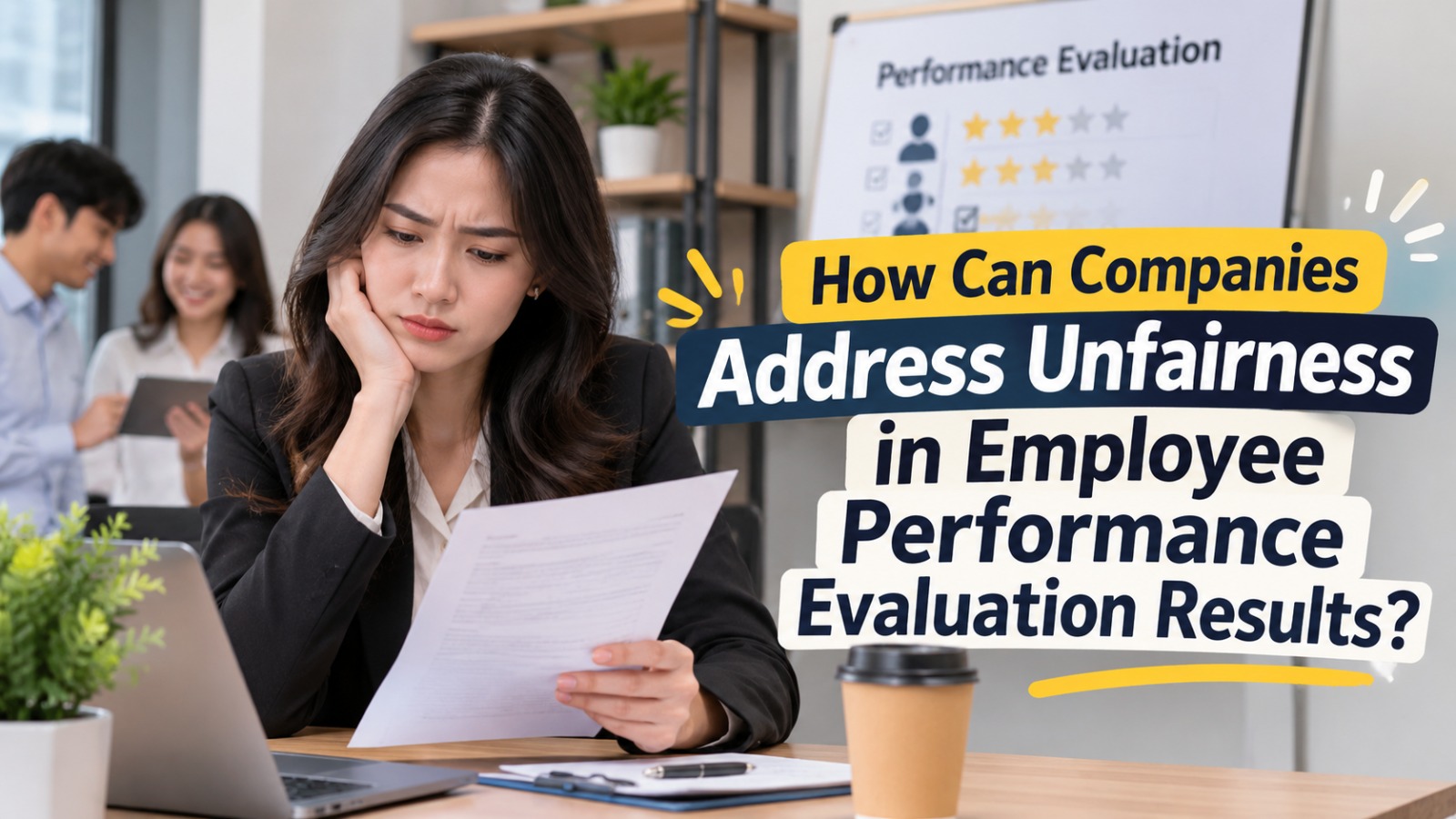
Fair employee performance evaluation is essential for building a productive and professional working environment. Companies use performance assessments to measure employee achievements, identify areas for improvement, and make important decisions about promotions, rewards, and career development. However, evaluation results are not always fair because personal bias, unclear standards, and inconsistent assessment methods can influence managerial decisions.
Unfair evaluation results can cause employees to lose motivation, reduce trust in management, and negatively affect workplace relationships. Employees who believe their contributions are not recognized may become less committed to their responsibilities. Therefore, companies need to establish transparent procedures and provide opportunities for employees to express their concerns. By addressing unfairness systematically, organizations can create a more trustworthy evaluation process and improve overall workforce performance.
ESTABLISH CLEAR AND TRANSPARENT EVALUATION STANDARDS
One of the most effective ways to address unfairness is by establishing clear and transparent evaluation standards. Companies should determine specific criteria before the assessment period begins so employees understand how their performance will be measured. These criteria may include productivity, work quality, attendance, teamwork, communication, and the achievement of individual targets.
Managers should also ensure that evaluation standards are relevant to each employee's position and responsibilities. Employees working in different departments should not automatically receive identical assessment criteria because their tasks and expected results may vary. For example, sales employees may be evaluated through revenue targets, while administrative employees may be assessed through document accuracy and task completion.
When expectations are communicated clearly, employees have a better understanding of what the company expects from them. This approach also reduces misunderstandings and prevents managers from changing assessment standards based on personal preferences. Consistency and transparency are essential for creating a fair evaluation system.
REDUCE PERSONAL BIAS IN PERFORMANCE ASSESSMENTS
Personal bias can influence evaluation results when managers allow individual preferences, relationships, or personal opinions to affect their judgments. For example, a manager may give higher scores to employees they frequently interact with, even when other employees demonstrate similar or better achievements. This situation can create favoritism and make employees question the fairness of management decisions.
To reduce this problem, companies should train managers to recognize common evaluation biases, including the halo effect, recency bias, and favoritism. Managers need to focus on objective evidence, such as completed projects, documented achievements, customer feedback, and measurable performance results. They should avoid making decisions based on isolated incidents or personal relationships.
Companies can also introduce multiple evaluators when appropriate. Feedback from supervisors, team leaders, and colleagues can provide different perspectives on employee performance. This method, often known as 360-degree feedback, can help organizations obtain a more balanced understanding of employee contributions and reduce the influence of individual judgment.
PROVIDE EMPLOYEES WITH AN OPPORTUNITY TO APPEAL RESULTS
Employees should have the opportunity to question evaluation results when they believe an assessment does not accurately reflect their performance. Without an appropriate appeal process, employees may feel powerless when facing unfair decisions. This can damage their relationship with management and reduce confidence in the company's performance management system.
Companies should establish a formal performance evaluation appeal procedure that allows employees to explain their concerns and provide supporting evidence. For example, an employee may present completed project records, previous performance reports, or documented achievements that were not considered during the assessment. Managers should review this information carefully before deciding whether the original evaluation needs to be adjusted.
The appeal process must be handled professionally and without retaliation. Employees should feel safe expressing disagreements without worrying that their concerns will negatively affect future assessments. By providing a fair review mechanism, companies demonstrate that employee opinions are important and that evaluation decisions can be reconsidered when valid evidence is available.
USE OBJECTIVE DATA AND CONSISTENT PERFORMANCE INDICATORS
Using objective data is another important step in preventing unfair evaluation results. Companies should establish Key Performance Indicators (KPIs) that help managers measure employee achievements based on relevant and measurable information. These indicators can include productivity levels, project completion rates, customer satisfaction, work accuracy, and progress toward established targets.
However, performance data should be interpreted carefully because numbers alone cannot explain every aspect of an employee's contribution. Some responsibilities involve creativity, problem-solving, leadership, and teamwork, which may require qualitative assessments. Therefore, companies should combine numerical results with documented observations and professional feedback to obtain a more complete evaluation.
Managers should also apply the same measurement principles consistently throughout the assessment period. Employees must be evaluated using reliable information rather than assumptions or incomplete records. By combining quantitative and qualitative assessments, organizations can make more accurate decisions and reduce the possibility of unfair treatment.
IMPROVE MANAGER TRAINING AND COMMUNICATION
Managers play an important role in determining whether performance evaluations are fair and effective. Even when companies have established evaluation policies, poorly trained managers may misunderstand assessment criteria or provide inconsistent judgments. Therefore, organizations should provide regular training on performance management, objective assessment, communication, and bias prevention.
Training should help managers understand how to evaluate employee achievements, provide constructive feedback, and explain assessment decisions clearly. They should also learn how to conduct evaluation meetings professionally and listen to different employee perspectives. These abilities can improve the quality of discussions and prevent disagreements from becoming unnecessary workplace conflicts.
Open communication between employees and management is equally important. Companies should encourage regular performance discussions instead of waiting until the end of the evaluation period. Through continuous feedback, employees can understand their progress, discuss workplace challenges, and correct performance problems earlier. This approach creates a more supportive environment where evaluations become opportunities for improvement rather than sources of pressure.
REVIEW EVALUATION SYSTEMS AND ENSURE ACCOUNTABILITY
Companies should regularly review their performance evaluation systems to identify weaknesses and prevent repeated unfair treatment. Management can examine evaluation results across departments, compare assessment patterns, and investigate unusual differences that may indicate inconsistent standards. These reviews help organizations determine whether their evaluation procedures are being applied appropriately.
An effective review process should also include management accountability. Supervisors must be responsible for providing evidence that supports their assessments and following established company policies. Human resource departments can help monitor evaluation practices, investigate employee complaints, and ensure that decisions follow consistent procedures.
Furthermore, companies should use the findings from these reviews to improve their assessment methods. If certain evaluation criteria repeatedly create misunderstandings, they should be revised to become clearer and more relevant. Regular system improvements help organizations maintain fairness, strengthen employee confidence, and support better workforce management over time.
CONCLUSION
Companies can address unfairness in employee performance evaluation results by establishing transparent standards, reducing personal bias, providing appeal opportunities, using objective performance data, improving manager training, and regularly reviewing assessment procedures. These actions help ensure that employees are evaluated according to their actual achievements, responsibilities, and professional contributions.
A fair evaluation system requires cooperation between management, human resource departments, and employees. Organizations must be willing to listen to concerns, correct inaccurate assessments, and maintain consistent standards. Ultimately, fair employee performance evaluation can strengthen workplace trust, increase employee motivation, support professional development, and improve overall organizational productivity.
Recent Posts

How Does Technology Make Daily Evaluation... 21.11.2026/63 View

Apa Strategi Menghadapi Kesenjangan antara Kompetensi... 21.11.2026/64 View

Mengapa Inventaris Aset Penting bagi Kelancaran... 21.11.2026/60 View

When Should Musicians Join a Record... 21.11.2026/59 View

Daily Evaluation or Daily Planning Which... 21.11.2026/67 View
