

How Can Companies Reduce Operating Costs Through Effective Logistics Management?
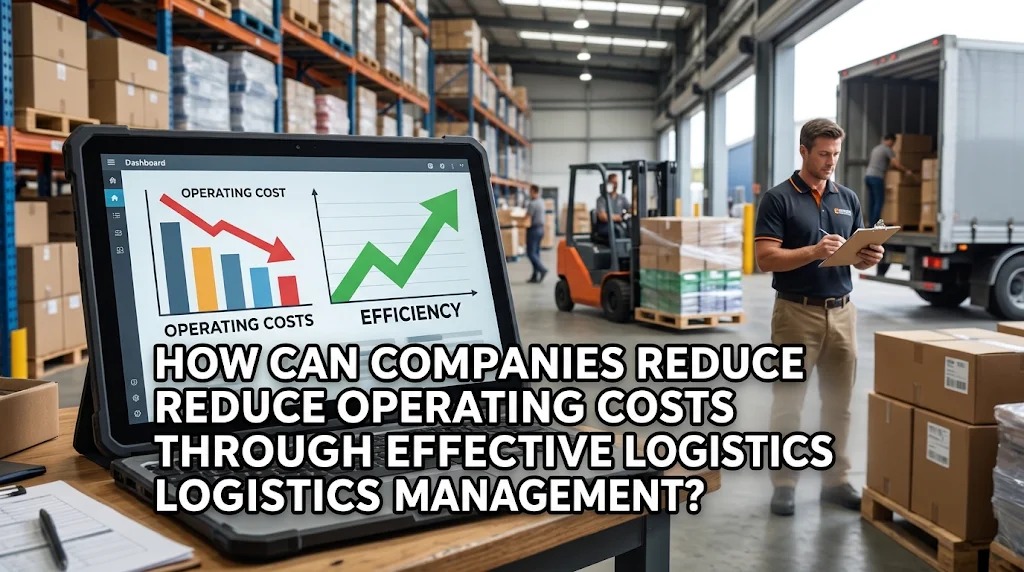
Effective logistics management is essential for businesses that want to control operational expenses while maintaining reliable product distribution. Logistics activities involve transportation, warehousing, inventory management, packaging, and order processing. Each activity requires financial resources, and poor management can lead to unnecessary expenses that reduce company profits. Therefore, businesses need appropriate logistics strategies to ensure that resources are used efficiently.
In modern business environments, reducing operating costs does not simply mean spending less money. Companies must also maintain product quality, delivery speed, and customer satisfaction. By improving transportation planning, optimizing inventory, using digital technology, and strengthening supplier relationships, businesses can reduce unnecessary expenses without sacrificing service quality. Understanding these strategies helps companies develop more efficient logistics operations and achieve sustainable business growth.
OPTIMIZING TRANSPORTATION AND DELIVERY ROUTES
Transportation management is one of the most important factors in reducing logistics expenses. Companies spend significant amounts of money on fuel, vehicle maintenance, driver salaries, and shipping services. Inefficient delivery routes can increase travel distances, fuel consumption, and transportation time. Therefore, businesses should evaluate their distribution routes and select the most efficient options based on delivery locations, traffic conditions, and shipment requirements.
Furthermore, companies can reduce transportation costs by combining shipments and selecting suitable transportation methods. For example, delivering several customer orders within the same geographical area can reduce the number of unnecessary trips. Businesses can also cooperate with reliable logistics providers to obtain competitive shipping rates and improve delivery efficiency. Through proper transportation planning, companies can minimize fuel expenses, reduce delivery delays, and maintain consistent distribution performance.
IMPROVING INVENTORY AND WAREHOUSE EFFICIENCY
Inventory management helps businesses control the amount of stock they maintain to avoid unnecessary storage expenses. Excessive inventory can increase warehouse rental costs, handling expenses, and the risk of damaged or outdated products. Meanwhile, insufficient stock can interrupt operations and create additional costs when businesses need emergency purchases. Companies should use demand forecasting and regular stock monitoring to determine appropriate inventory levels.
In addition, effective warehouse management can reduce expenses by improving how products are stored and handled. Businesses should organize storage areas so employees can locate products quickly and prepare orders efficiently. Using appropriate warehouse layouts, barcode scanners, and inventory management software can minimize handling mistakes and reduce wasted working time. These improvements help companies maximize warehouse capacity, improve employee productivity, and control storage-related expenses.
ADOPTING DIGITAL TECHNOLOGY AND AUTOMATION
Digital technology provides businesses with opportunities to reduce logistics expenses through more accurate and efficient operational processes. Logistics management systems can connect inventory records, transportation schedules, warehouse activities, and order processing through centralized platforms. This integration reduces manual administrative work and helps employees access important information more quickly. As a result, companies can minimize recording errors, avoid unnecessary activities, and improve coordination between departments.
Furthermore, automation can reduce repetitive tasks and improve operational productivity. For example, automated inventory systems can record stock movements, while digital tracking platforms can monitor shipments during transportation. Artificial intelligence can also help businesses analyze demand patterns and identify more efficient delivery routes. Although adopting new technology requires initial investment, suitable digital solutions can generate long-term savings by reducing labor inefficiencies, operational mistakes, and unnecessary resource consumption.
STRENGTHENING SUPPLIER RELATIONSHIPS AND PROCUREMENT STRATEGIES
Strong supplier relationships can help companies control purchasing and logistics expenses. Businesses should work with suppliers that offer competitive prices, consistent product quality, and reliable delivery schedules. Choosing suppliers based only on the lowest price may create additional expenses when materials arrive late or fail to meet quality requirements. Therefore, companies should evaluate suppliers based on their overall performance and long-term reliability.
Additionally, businesses can reduce procurement expenses through effective purchasing strategies. Negotiating favorable contracts, purchasing materials according to actual demand, and coordinating delivery schedules can help prevent unnecessary costs. Companies may also consider working with multiple suppliers to reduce dependence on a single source and minimize supply disruptions. By maintaining effective supplier relationships, businesses can improve material availability, control purchasing expenses, and support smoother logistics operations.
MONITORING LOGISTICS PERFORMANCE AND REDUCING RESOURCE WASTE
Regular logistics performance evaluations help businesses identify activities that consume excessive resources. Companies can monitor important indicators such as transportation costs, delivery times, inventory turnover, warehouse expenses, and order accuracy. These measurements provide useful information about which logistics activities require improvement. Managers can then make decisions based on operational data rather than relying only on assumptions.
Moreover, companies should identify and eliminate unnecessary resource consumption throughout their logistics processes. For example, using appropriate packaging materials can reduce packaging expenses and prevent product damage. Maintaining vehicles regularly can also prevent expensive repairs and unexpected transportation interruptions. By evaluating operational performance and improving resource utilization, businesses can maintain cost efficiency while ensuring that products are delivered safely and reliably.
CONCLUSION
Companies can reduce operating costs through effective logistics management by improving transportation routes, controlling inventory, optimizing warehouse activities, and adopting suitable digital technologies. Strong supplier relationships and efficient procurement strategies also help businesses prevent unnecessary purchasing and distribution expenses. These improvements allow companies to use financial and operational resources more effectively.
However, cost reduction should not negatively affect product quality or customer satisfaction. Businesses need to evaluate logistics performance regularly and identify opportunities for continuous improvement. With proper planning, technological support, and effective coordination, companies can build cost-efficient logistics systems, improve profitability, and strengthen their competitiveness in the market.
Recent Posts

How Does Technology Make Daily Evaluation... 21.11.2026/62 View

Apa Strategi Menghadapi Kesenjangan antara Kompetensi... 21.11.2026/63 View

Mengapa Inventaris Aset Penting bagi Kelancaran... 21.11.2026/59 View

When Should Musicians Join a Record... 21.11.2026/58 View

Daily Evaluation or Daily Planning Which... 21.11.2026/66 View
