

How Can Creators Protect Premium Content From Digital Piracy?
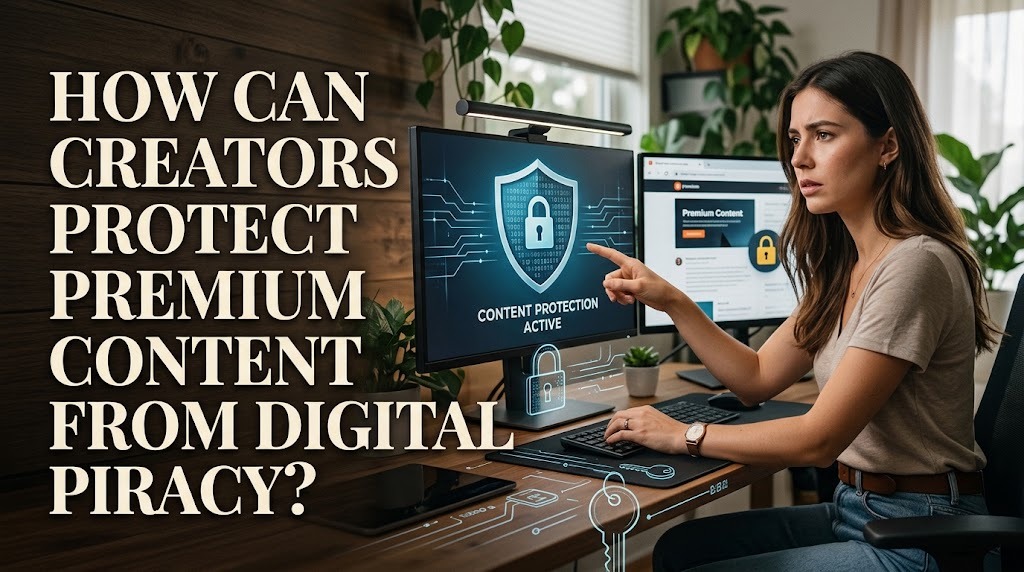
Premium digital content has become an important source of income for creators, publishers, and online businesses. Through subscription platforms, digital courses, paid articles, and exclusive media, creators can offer valuable materials to audiences in exchange for payment. However, the growing distribution of digital files also creates a risk of unauthorized copying, sharing, and redistribution.
Digital piracy can reduce potential revenue, weaken exclusive access, and undermine the value of original work. Therefore, creators need practical strategies to protect their intellectual property while maintaining a convenient experience for legitimate customers. Combining technology, legal protection, and audience awareness can help reduce the risks of unauthorized distribution.
USE DIGITAL RIGHTS MANAGEMENT TECHNOLOGY
Digital Rights Management (DRM) is a technology used to control how digital content is accessed, copied, and distributed. Depending on the system, DRM can restrict unauthorized downloads, limit the number of registered devices, or prevent certain copying activities.
Creators who sell e-books, videos, music, and online courses can consider platforms that provide DRM features. These systems make it more difficult for unauthorized users to reproduce protected materials. However, DRM is not completely effective because determined individuals may still find ways to bypass technical restrictions. It should therefore be combined with other security measures.
APPLY PERSONALIZED DIGITAL WATERMARKS
Digital watermarking helps creators identify the source of content if it is shared without permission. A visible watermark may display a creator's name, brand, or copyright notice, while an invisible watermark can embed identifying information within a digital file.
For premium documents, some platforms can add a buyer's account information or transaction identifier to each downloaded copy. If the file appears on an unauthorized website, this information may help creators investigate where the distribution originated. Watermarking does not prevent every form of piracy, but it can discourage unauthorized sharing and support content monitoring.
USE SECURE SUBSCRIPTION PLATFORMS
Choosing a reliable platform is an important step in protecting premium content. Subscription services with built-in security features can control access based on user accounts, payment status, and membership permissions.
Creators should look for platforms that offer secure authentication, access management, encrypted connections, and monitoring features. These systems help ensure that only authorized subscribers can view protected materials. A secure platform also reduces the need for creators to build complicated protection systems independently.
LIMIT UNAUTHORIZED ACCOUNT SHARING
Account sharing can become a problem when subscribers distribute their login credentials to people who have not paid for access. This practice can reduce subscription revenue and make it difficult for creators to understand their actual audience size.
To address this issue, platforms can introduce reasonable account controls, such as device limits, session monitoring, and additional verification for unusual login activity. These measures should be implemented carefully to avoid inconveniencing legitimate customers. Clear account policies also help subscribers understand which activities are permitted.
PROTECT CONTENT WITH ENCRYPTION
Encryption converts information into a protected format that can only be accessed through the appropriate decryption process. It is commonly used to secure digital communication, stored information, and media delivery.
For premium video platforms, encryption can help protect content while it is transmitted or stored. Secure delivery systems can also reduce the risk of unauthorized access to media files. However, encryption must be properly implemented and maintained because weaknesses in platform security may expose protected materials.
MONITOR UNAUTHORIZED CONTENT DISTRIBUTION
Regular monitoring helps creators identify whether their premium materials are being distributed without permission. Digital content may appear on unauthorized websites, file-sharing services, social media accounts, or online communities.
Creators can use search tools, reverse image search, content monitoring services, and platform reporting systems to identify potential violations. When unauthorized copies are discovered, they can document the relevant evidence and contact the website or service provider. Consistent monitoring makes it easier to respond before unauthorized distribution spreads further.
REGISTER COPYRIGHT AND DISPLAY OWNERSHIP INFORMATION
Copyright protection is an important legal foundation for creators. Original written materials, photographs, illustrations, videos, music, and other qualifying creative works may receive copyright protection under applicable laws. Registration, where available, can provide additional documentation of ownership.
Creators should also include copyright notices, publication dates, creator names, and clear usage terms in their digital products. These details communicate ownership and help users understand the conditions for using the material. For creators operating in Indonesia, they can consult the Directorate General of Intellectual Property (DJKI) to understand copyright registration and related procedures.
ESTABLISH CLEAR TERMS OF USE
Terms of use explain how subscribers are allowed to access and use premium content. They can specify whether users may download materials, print documents, share excerpts, or use content for commercial purposes.
Clear rules help prevent misunderstandings between creators and customers. For example, an online course may allow personal access while prohibiting the redistribution or resale of its lessons. Creators should make these conditions easy to find before customers complete their purchases. The terms should also comply with relevant consumer protection and intellectual property laws.
EDUCATE AUDIENCES ABOUT DIGITAL PIRACY
Technology alone cannot eliminate digital piracy. Audience awareness is also important because some users may share premium materials without understanding the financial and creative consequences.
Creators can explain that unauthorized distribution affects their ability to produce new content and maintain their services. They can encourage subscribers to use official links, purchase legitimate access, and report suspicious copies. Providing convenient sharing options, affordable subscription plans, and useful benefits may also encourage audiences to support creators through authorized channels.
CONCLUSION
Protecting premium content from digital piracy requires a combination of technical safeguards, legal measures, and responsible audience behavior. Digital Rights Management, personalized watermarks, secure subscription platforms, encryption, and regular monitoring can help reduce unauthorized distribution. Copyright information and clear terms of use also establish stronger protection for original work.
Although no security method can guarantee complete protection, creators can significantly improve content security through consistent prevention and monitoring. By choosing suitable tools and maintaining transparent relationships with subscribers, they can protect their intellectual property while continuing to deliver valuable digital experiences.
Recent Posts

Bagaimana Sistem SKS pada Program Kuliah... 22.11.2026/47 View

How Does Technology Make Daily Evaluation... 21.11.2026/74 View

Apa Strategi Menghadapi Kesenjangan antara Kompetensi... 21.11.2026/75 View

Mengapa Inventaris Aset Penting bagi Kelancaran... 21.11.2026/72 View

When Should Musicians Join a Record... 21.11.2026/75 View
