

How Can Cultural Heritage Remain Relevant to Younger Generations?
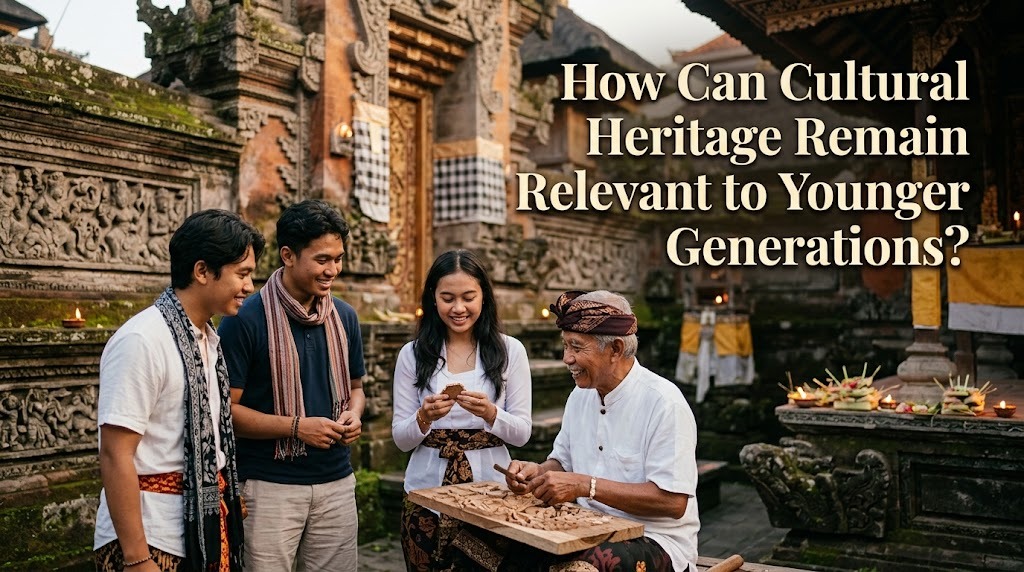
Cultural heritage is an important part of human history, identity, and community life. It includes traditional languages, music, dances, clothing, crafts, historical buildings, and customs passed down through generations. However, younger generations may become less interested in traditional practices as technology, globalization, and modern lifestyles continue to influence their daily lives. To remain relevant, cultural heritage must be preserved in ways that connect with young people's interests and experiences. By combining traditional values with modern approaches, communities can help ensure that cultural heritage remains meaningful for the future.
USING SOCIAL MEDIA TO PROMOTE CULTURAL HERITAGE
Social media provides an effective way to introduce cultural heritage to younger audiences. Platforms such as Instagram, TikTok, and YouTube allow young people to share videos, photographs, and stories about traditional practices. For example, creators can demonstrate traditional dances, explain the meaning of regional clothing, or show how local crafts are made. Short and engaging content can encourage viewers to explore cultural traditions they may not have encountered before.
Social media can also help cultural practitioners reach wider audiences and connect with people who share similar interests. Young creators should ensure that their content is accurate and respectful of the communities represented. They can collaborate with elders, artists, and local historians to explain the origins and significance of cultural practices. Through responsible digital communication, cultural heritage can become more visible and accessible to younger generations.
COMBINING TRADITIONAL CULTURE WITH MODERN CREATIVITY
Cultural heritage can remain relevant when traditional elements are incorporated into modern creative activities. Designers can use traditional textile patterns in contemporary clothing, while musicians can combine regional instruments with modern musical styles. Filmmakers and digital artists can also develop stories inspired by local legends, historical events, and traditional values. These creative approaches introduce cultural heritage in formats that appeal to modern audiences.
However, modernization should not remove the cultural meaning of traditional practices. Creators should understand the origins of cultural elements and consult relevant communities when necessary. They should also avoid using sacred symbols or culturally sensitive traditions without permission. By balancing innovation with respect for cultural origins, young people can help traditions develop while maintaining their distinctive identities.
INCLUDING CULTURAL HERITAGE IN EDUCATION
Education helps younger generations understand the historical and cultural significance of their communities. Schools can introduce local languages, traditional arts, regional history, and cultural practices through lessons and practical activities. Instead of relying entirely on textbooks, teachers can organize museum visits, traditional craft workshops, and cultural performances. These experiences make learning more interactive and help students connect historical knowledge with real life.
Students can also conduct projects about family traditions, local historical sites, or traditional occupations. Inviting cultural practitioners to schools allows students to learn directly from people who maintain these traditions. Educational activities can encourage curiosity and help young people recognize the value of cultural diversity. When cultural heritage becomes part of meaningful learning experiences, students are more likely to appreciate and preserve it.
ENCOURAGING YOUNG PEOPLE TO PARTICIPATE IN CULTURAL ACTIVITIES
Active participation helps young people develop a personal connection with cultural heritage. They can join traditional dance groups, learn regional musical instruments, practice local crafts, or participate in community celebrations. These activities provide practical experience and allow young people to understand traditions beyond their historical descriptions. Participation also creates opportunities to build friendships and strengthen relationships within the community.
Cultural organizations can make these activities more appealing by offering workshops, competitions, exhibitions, and collaborative projects. Young people should also have opportunities to suggest ideas and help organize cultural events. Their involvement allows traditional activities to reflect current interests while respecting their original meanings. When young people have an active role in cultural preservation, they are more likely to feel responsible for its future.
PRESERVING LOCAL LANGUAGES AND TRADITIONAL STORIES
Local languages and traditional stories carry important information about a community's identity, values, and history. However, some young people may use dominant languages more frequently and have fewer opportunities to learn their regional languages. Families and communities can address this challenge by encouraging everyday conversations in local languages. They can also share folk tales, proverbs, traditional songs, and family histories with younger family members.
Digital tools can support these efforts through online dictionaries, recorded interviews, podcasts, and storytelling videos. Young people can interview elders to document stories and expressions that are rarely used today. These materials should be recorded accurately and shared with the permission of the people involved. By combining personal interaction with digital resources, communities can help preserve languages and stories in ways that suit modern communication habits.
SUPPORTING LOCAL ARTISTS AND CULTURAL BUSINESSES
Traditional artists and craftspeople help maintain cultural heritage through their knowledge and skills. Their work may include weaving, pottery, batik production, wood carving, traditional music, and other forms of cultural expression. Young people can support these practitioners by purchasing authentic local products, attending performances, and recommending their work online. This support helps cultural practitioners earn income and continue teaching their skills.
Cultural businesses can also adapt their products and services to meet contemporary needs. For example, traditional crafts can be developed into practical household items, accessories, or modern clothing while retaining their cultural significance. Young entrepreneurs can collaborate with experienced craftspeople to improve product presentation and reach new markets. These partnerships can make traditional skills more economically sustainable and create opportunities for younger generations to continue practicing them.
USING TECHNOLOGY TO DOCUMENT CULTURAL HERITAGE
Technology can help preserve cultural heritage by recording information that might otherwise be lost. Digital photographs, videos, audio recordings, and online archives can document historical buildings, traditional ceremonies, local crafts, and cultural performances. These resources allow younger generations to explore their heritage even when they cannot attend events in person. They can also help researchers and communities maintain records for future educational purposes.
Young people can participate by creating digital exhibitions, interactive maps, or short documentaries about their local culture. They can work with museums, schools, and cultural organizations to ensure that information is reliable and properly documented. However, digital preservation should complement rather than replace the practice of living traditions. Responsible documentation must also respect privacy, cultural ownership, and restrictions on sensitive information.
CONCLUSION
Cultural heritage can remain relevant to younger generations through social media, modern creativity, education, active participation, language preservation, support for local artists, and digital documentation. These approaches help connect traditional knowledge with the interests and lifestyles of young people. They also create opportunities for cultural heritage to be shared, practiced, and appreciated in contemporary society.
Preserving cultural heritage does not mean preventing change. Instead, it means protecting important cultural meanings while allowing communities to adapt traditions responsibly. When young people are encouraged to learn, participate, and contribute new ideas, they can become active guardians of their cultural identity. Through cooperation between generations, cultural heritage can remain meaningful and continue to enrich the future.
Recent Posts

Bagaimana Sistem SKS pada Program Kuliah... 22.11.2026/49 View

How Does Technology Make Daily Evaluation... 21.11.2026/77 View

Apa Strategi Menghadapi Kesenjangan antara Kompetensi... 21.11.2026/78 View

Mengapa Inventaris Aset Penting bagi Kelancaran... 21.11.2026/74 View

When Should Musicians Join a Record... 21.11.2026/79 View
