

How Can Designers Develop Creative Ideas During the Design Process?
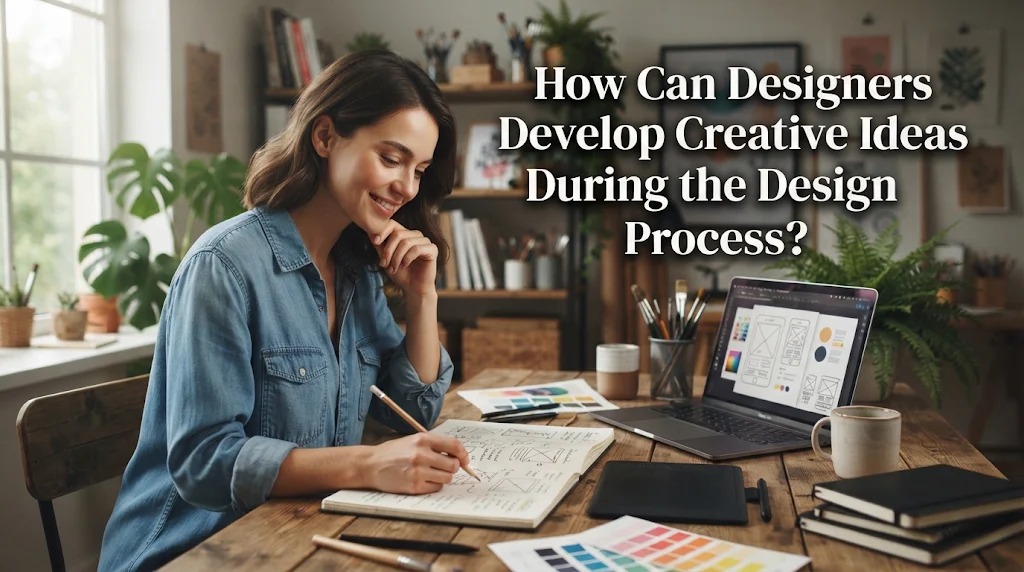
Creativity is one of the most important abilities a designer needs to produce attractive, meaningful, and effective work. Every design project requires ideas that can communicate messages, solve problems, and meet the expectations of clients or audiences. However, developing creative ideas is not always easy, especially when designers face tight deadlines, complicated requirements, or a lack of inspiration.
Creative ideas do not always appear suddenly. They can be developed through observation, research, experimentation, and continuous practice. Designers need to understand the purpose of a project, explore different possibilities, and evaluate their ideas before turning them into finished designs. By using the right approaches, designers can improve their creative thinking and produce work that is both original and useful.
UNDERSTAND THE DESIGN OBJECTIVES AND PROJECT REQUIREMENTS
The first step in developing creative ideas is understanding the objectives of a design project. Designers need to know what they want to communicate, who the target audience is, and what problems the design should address. Without a clear understanding of these elements, creative ideas may become visually attractive but fail to deliver the intended message.
For example, designing a promotional poster for a children's event requires a different approach from creating a corporate business presentation. The designer must consider the audience's age, interests, expectations, and preferences. These details help determine suitable colors, typography, illustrations, and visual compositions. Understanding the project requirements also prevents unnecessary revisions caused by misunderstandings.
Designers should communicate with clients or project teams before starting the creative process. They can ask about the project goals, preferred visual styles, brand guidelines, and expected results. Collecting this information provides a strong foundation for developing relevant ideas. With clear objectives, designers can explore creative possibilities without losing sight of the project's main purpose.
FIND INSPIRATION THROUGH RESEARCH AND OBSERVATION
Research and observation are valuable ways to discover new creative ideas. Designers can explore different sources of inspiration, including websites, advertisements, magazines, architecture, photography, nature, and everyday activities. Observing how colors, shapes, textures, and visual elements are used in different environments can encourage new ways of thinking.
Another useful approach is studying the work of other designers. Looking at different design styles can help designers understand visual trends, creative techniques, and effective communication methods. Platforms such as Behance and Dribbble provide opportunities to explore creative projects from professionals around the world. However, inspiration should be used as a starting point rather than a reason to copy someone else's work.
Designers can also create mood boards to collect references that match the direction of a project. A mood board may contain images, color combinations, typography examples, textures, and other visual materials. Organizing these references makes it easier to identify suitable styles and maintain a consistent creative direction. By combining research with personal observations, designers can develop ideas that feel more original and meaningful.
EXPERIMENT WITH DIFFERENT DESIGN TECHNIQUES
Experimentation helps designers discover creative possibilities that they may not find through ordinary thinking. Instead of immediately choosing the first idea, they can explore several alternatives using different layouts, colors, shapes, illustrations, and typography. This process allows them to compare different approaches and identify which one communicates the message most effectively.
One useful technique is brainstorming, where designers write down as many ideas as possible without immediately judging whether they are good or bad. They can also use mind mapping to connect related concepts and explore different directions. These methods encourage creative thinking and help designers move beyond familiar solutions. Working with other people during brainstorming sessions can also introduce perspectives they may not have considered.
Designers should not be afraid to test unusual combinations or unfamiliar techniques. They can create quick sketches, experiment with digital tools, or develop several rough design concepts before selecting the strongest option. Not every experiment will produce a successful result, but each attempt can provide useful lessons. Through continuous experimentation, designers can expand their creative abilities and become more confident in their decisions.
USE TECHNOLOGY AND DIGITAL TOOLS TO SUPPORT CREATIVITY
Technology provides many opportunities for designers to explore and develop creative ideas. Digital design applications allow them to experiment with visual elements, adjust compositions, create illustrations, and test different concepts more efficiently. Tools such as Adobe Photoshop, Adobe Illustrator, and Figma offer features that support various creative processes.
Artificial intelligence tools can also help designers explore initial concepts, generate references, and discover alternative visual directions. For example, AI can assist with brainstorming themes, suggesting color combinations, or producing rough visual concepts. However, designers should evaluate these suggestions carefully and make sure the final work meets project requirements. AI should support creative thinking rather than replace human judgment and originality.
Choosing the right tools depends on the type of project and the designer's needs. Graphic designers may benefit from illustration and image-editing applications, while UI UX designers may need tools for wireframing and prototyping. Learning new software features can also introduce different ways to approach design challenges. When used effectively, technology can make the creative process more flexible and productive.
EVALUATE IDEAS AND IMPROVE DESIGNS THROUGH FEEDBACK
Developing creative ideas does not end when a designer creates an initial concept. Every idea needs to be evaluated to determine whether it meets the project's objectives and communicates the intended message. Designers should consider visual quality, readability, functionality, consistency, and audience expectations when reviewing their work.
Feedback from clients, colleagues, lecturers, or other designers can provide valuable perspectives. Other people may notice problems that the designer has overlooked, such as unclear information, poor color contrast, or confusing layouts. Constructive feedback helps designers understand how their work is perceived and identify areas that need improvement. However, they should evaluate suggestions carefully rather than accepting every opinion without considering the project's objectives.
After receiving feedback, designers can revise their concepts and compare the improved versions with earlier designs. They should also reflect on the decisions made throughout the creative process to understand which methods worked effectively. This habit helps develop stronger problem-solving abilities and improves the quality of future projects. Over time, evaluation and revision become important parts of a designer's creative development.
CONCLUSION
Designers can develop creative ideas through a combination of research, observation, experimentation, technology, and continuous evaluation. Understanding project requirements provides a clear direction, while exploring different references and techniques helps generate fresh perspectives. Digital tools and constructive feedback can further support the process of improving design concepts.
Ultimately, creativity is not limited to natural talent. It is a skill that can be strengthened through practice, curiosity, and the willingness to try new approaches. By developing consistent creative habits, designers can produce original, effective, and meaningful work while improving their professional abilities.
Recent Posts

How Does Technology Make Daily Evaluation... 21.11.2026/58 View

Apa Strategi Menghadapi Kesenjangan antara Kompetensi... 21.11.2026/60 View

Mengapa Inventaris Aset Penting bagi Kelancaran... 21.11.2026/56 View

When Should Musicians Join a Record... 21.11.2026/55 View

Daily Evaluation or Daily Planning Which... 21.11.2026/63 View
