

How Can Digital Calendars Help College Students Manage Class Schedules?
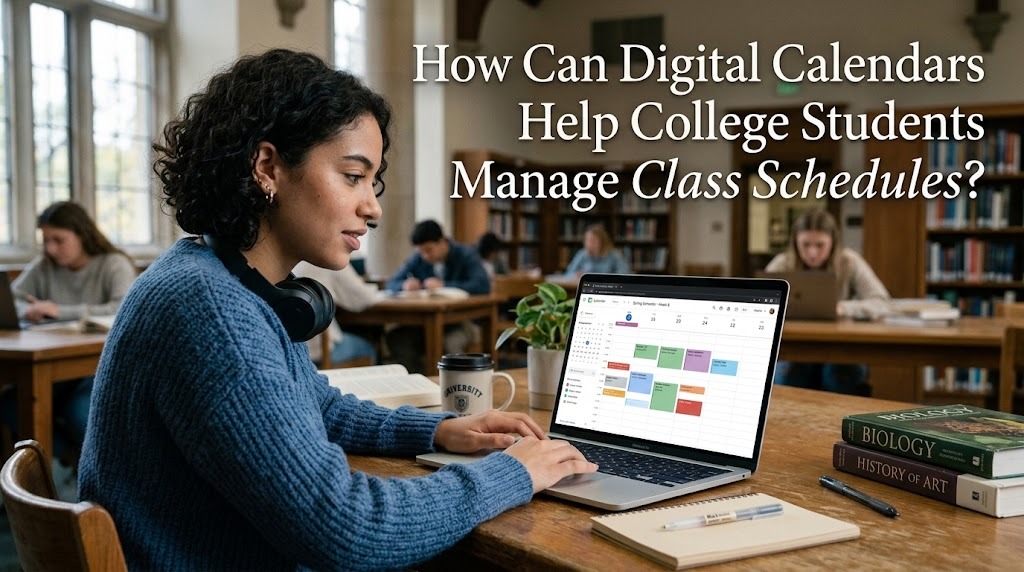
Digital calendars help college students organize class schedules, track assignments, remember exams, and manage their time more effectively. University life often involves lectures, group projects, practical sessions, extracurricular activities, and personal responsibilities. Without a clear plan, students may forget important deadlines or struggle to balance their academic workload. A digital calendar provides a convenient way to organize these activities in one accessible place. By using its scheduling features consistently, students can improve their study habits, reduce scheduling conflicts, and maintain a healthier balance between academic and personal life.
ORGANIZE CLASS SCHEDULES IN ONE PLACE
A digital calendar allows college students to record all their classes in one organized system. They can enter the subject name, classroom, lecturer, start time, and end time for each session. Recurring events are especially useful because weekly lectures can be scheduled automatically without entering the same information repeatedly. Students can also include laboratory sessions, tutorials, seminars, and academic consultations. Having a complete overview of class schedules makes it easier to prepare for each day and avoid missing important sessions.
SET REMINDERS FOR CLASSES AND EXAMS
Reminders help students remember upcoming classes, examinations, presentations, and other academic commitments. Most digital calendar applications allow users to set notifications minutes or hours before an event begins. For example, a student can receive a reminder before a morning lecture to allow enough time to prepare materials and travel to campus. Exam reminders can also be scheduled several days in advance to encourage early revision. By using notifications strategically, students can reduce the risk of forgetting important activities without relying entirely on memory.
MANAGE ASSIGNMENTS AND DEADLINES
College students often handle several assignments from different subjects at the same time. A digital calendar can help them record submission dates for essays, research reports, presentations, and group projects. Instead of scheduling only the final deadline, students can create smaller tasks for research, drafting, editing, and submission. This approach makes large assignments easier to manage and reduces the pressure of completing everything at the last minute. Regularly checking upcoming deadlines also helps students decide which tasks require attention first.
PREVENT SCHEDULING CONFLICTS
Class schedules may sometimes overlap with organization meetings, part-time jobs, group discussions, or personal appointments. A digital calendar provides a visual overview of these commitments, making potential conflicts easier to identify. Before accepting a new activity, students can check their existing schedule to determine whether they have enough available time. If a lecturer changes a class session, they can update the event and review its impact on other plans. This flexibility helps students make better decisions and avoid unnecessary stress caused by double-booking activities.
IMPROVE STUDY TIME MANAGEMENT
Digital calendars allow students to reserve specific periods for studying outside the classroom. They can schedule time for reviewing lecture notes, reading academic materials, completing exercises, and preparing for examinations. Study sessions should be realistic and arranged around existing classes, energy levels, and other responsibilities. Students can also include short breaks to maintain concentration during longer study periods. By treating study sessions as planned commitments, they can develop more consistent learning habits and make better use of their available time.
COORDINATE GROUP PROJECTS AND CAMPUS ACTIVITIES
Group assignments require students to coordinate schedules with classmates who may have different academic and personal commitments. Shared digital calendars can help team members identify suitable meeting times, record project milestones, and track important deadlines. Students can also use calendar invitations to communicate meeting details and receive updates when plans change. Beyond academic projects, calendars can organize student organization meetings, campus events, workshops, and extracurricular activities. This makes it easier to participate in university life while keeping academic responsibilities under control.
ACCESS CLASS SCHEDULES ACROSS DEVICES
Many digital calendar applications synchronize information across smartphones, tablets, and computers when users sign in to the same account and enable synchronization. This feature allows students to check their schedules while commuting, studying at the library, or working from home. Changes made on one connected device can appear on others, helping keep information consistent. Some applications also support offline access to previously synchronized events, although availability depends on the service and device settings. Students should review synchronization and notification settings to ensure that their schedules remain accessible and up to date.
REVIEW AND UPDATE SCHEDULES REGULARLY
A digital calendar works best when students keep it accurate and review it frequently. Checking the calendar each morning helps them understand the day's priorities and prepare for upcoming classes. A weekly review is also useful for identifying examination periods, approaching deadlines, and unusually busy days. Students should update cancelled lectures, changed meeting times, and newly assigned tasks as soon as possible. This simple habit helps prevent outdated information from causing confusion and supports more effective academic planning.
CONCLUSION
Digital calendars help college students manage class schedules by organizing lectures, setting reminders, tracking assignments, and preventing scheduling conflicts. They also support study planning, group coordination, and access to academic information across connected devices. Regular reviews ensure that schedules remain accurate as university responsibilities change. By combining a digital calendar with realistic priorities and consistent planning habits, students can manage their academic workload more effectively while making time for rest and personal activities.
Recent Posts

Bagaimana Sistem SKS pada Program Kuliah... 22.11.2026/56 View

How Does Technology Make Daily Evaluation... 21.11.2026/86 View

Apa Strategi Menghadapi Kesenjangan antara Kompetensi... 21.11.2026/84 View

Mengapa Inventaris Aset Penting bagi Kelancaran... 21.11.2026/82 View

When Should Musicians Join a Record... 21.11.2026/86 View
