

How Can Digital Dictionaries Help People Learn Regional Languages?
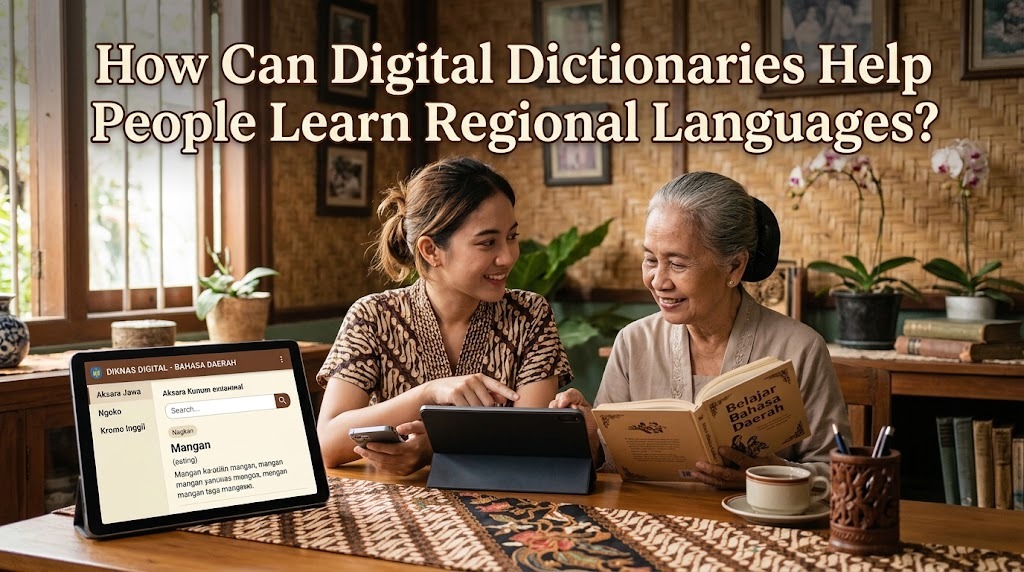
Regional languages are an important part of cultural identity and communication in many communities. However, some people find it difficult to learn these languages because learning materials may be limited or difficult to access. Digital dictionaries offer a practical solution by providing vocabulary, translations, pronunciation guides, and examples through computers and mobile devices. They allow learners to explore unfamiliar words without always depending on printed books or direct assistance from teachers. Digital dictionaries can make regional language learning more accessible, flexible, and convenient for people of different ages. When developed accurately and used consistently, these tools can also contribute to preserving local languages for future generations.
PROVIDING EASY ACCESS TO REGIONAL VOCABULARY
One of the main benefits of digital dictionaries is their ability to provide quick access to regional vocabulary. Learners can search for a word and find its meaning without browsing through many printed pages. Some dictionaries include translations into Indonesian or English, making it easier for beginners to understand unfamiliar expressions. They may also organize words into categories such as food, family, education, greetings, and everyday activities. Quick vocabulary searches help learners understand and remember regional words more efficiently.
Digital dictionaries can be especially useful for students who need additional resources outside the classroom. When reading a local story or watching a regional language video, learners can look up unfamiliar words immediately. This helps them understand the content while gradually expanding their vocabulary. Search features may also allow users to find words even when they remember only part of the spelling. By making vocabulary easier to explore, digital dictionaries encourage independent learning and regular practice.
HELPING LEARNERS UNDERSTAND PRONUNCIATION
Knowing the meaning of a word is not always enough to communicate effectively. Learners also need to understand how words are pronounced and how they sound in natural conversation. Digital dictionaries can include audio recordings from native speakers to demonstrate pronunciation, stress, and intonation. These features allow learners to listen repeatedly and compare their pronunciation with the recorded examples. Audio pronunciation guides help learners develop listening skills and speak regional languages more confidently.
Pronunciation features are particularly important for languages with sounds or speech patterns that beginners may not recognize. Learners can practice short words, common expressions, and complete sentences at their own pace. Recordings from different speakers may also help users understand regional variations in pronunciation. However, dictionaries should explain which language variety is represented because pronunciation can differ between communities. When possible, learners should combine audio practice with conversations with fluent speakers to develop more natural communication skills.
MAKING LANGUAGE LEARNING MORE FLEXIBLE
Digital dictionaries allow people to learn regional languages according to their own schedules. Unlike traditional printed resources, mobile dictionaries can be carried easily and accessed whenever a question arises. Some applications also offer offline access, allowing users to search for vocabulary without an internet connection. This is useful for learners who live in areas with limited connectivity or want to reduce data usage. Flexible access allows people to practice regional languages in different places and at convenient times.
Learners can use digital dictionaries during school lessons, while reading, or when communicating with family members. For example, someone who wants to speak with grandparents in a regional language can search for everyday expressions and practice them before a conversation. Students can also use dictionaries to support homework, writing assignments, and cultural projects. Short, frequent learning sessions can help learners remember words more effectively than occasional study alone. By fitting language learning into daily routines, digital dictionaries can make consistent practice easier.
SUPPORTING SELF-DIRECTED AND INTERACTIVE LEARNING
Digital dictionaries encourage learners to take responsibility for their own progress. Instead of waiting for a teacher to explain every unfamiliar word, users can search for meanings and explore related vocabulary independently. Some platforms provide example sentences, synonyms, word categories, and links to additional learning resources. These features help learners understand how words are used in context rather than memorizing isolated definitions. Independent exploration can strengthen vocabulary knowledge and build confidence in learning regional languages.
Digital dictionaries can also support interactive activities when combined with quizzes, flashcards, or language learning applications. Learners can create personal vocabulary lists and review them regularly. Teachers may ask students to find regional words related to a particular theme and use them in sentences or short conversations. These activities connect digital searches with practical language use. Nevertheless, learners should check the reliability of dictionary entries and avoid assuming that every word has the same meaning in all regional varieties.
PRESERVING LOCAL VOCABULARY AND CULTURAL KNOWLEDGE
Digital dictionaries do more than help people learn new words; they can also preserve vocabulary that is becoming less common. Some regional languages contain traditional terms related to local foods, farming, crafts, ceremonies, and community relationships. If these words are rarely used by younger generations, their meanings may gradually become unfamiliar. Recording them in a digital dictionary helps keep them available for students, researchers, and community members. Digital dictionaries can preserve valuable linguistic and cultural knowledge that might otherwise be forgotten.
Creating a reliable dictionary often requires cooperation among native speakers, teachers, researchers, and local cultural organizations. Contributors can document word meanings, pronunciation, example sentences, and information about where particular expressions are used. Older speakers may provide knowledge about traditional vocabulary that does not appear in ordinary learning materials. Their contributions should be recorded with permission and presented respectfully. Regular updates and careful review can help ensure that digital dictionaries remain accurate, useful, and relevant to the communities they represent.
OVERCOMING CHALLENGES IN DIGITAL DICTIONARY USE
Although digital dictionaries offer many benefits, their quality and availability can vary. Some regional languages have limited digital resources because there are few recorded words, trained contributors, or financial resources for development. Other dictionaries may contain incomplete definitions, inconsistent spelling, or pronunciation guides that do not reflect local speech. Learners may also encounter difficulties when applications require internet access or are unavailable on their devices. Reliable content, accessible design, and community participation are essential for making digital dictionaries effective learning tools.
These challenges can be addressed through collaboration between educational institutions, technology developers, language experts, and native speakers. Projects should verify definitions, include examples from real communication, and clearly identify regional variations. Offline access and simple interfaces can help more people use the resources. Schools and community organizations can also teach learners how to evaluate dictionary entries and compare information from trustworthy sources. With careful development and ongoing maintenance, digital dictionaries can become more dependable tools for both language education and preservation.
CONCLUSION
Digital dictionaries help people learn regional languages by providing accessible vocabulary, pronunciation guides, flexible learning opportunities, and resources for independent study. They can also preserve traditional words and cultural knowledge that might otherwise become less familiar to younger generations. However, dictionaries work best when their information is accurate and learners combine digital study with real conversations. Technology can support regional language preservation, but regular use by families, schools, and communities remains essential. By developing reliable digital resources and encouraging everyday practice, communities can make regional languages easier to learn and pass on to future generations.
Recent Posts

Bagaimana Sistem SKS pada Program Kuliah... 22.11.2026/49 View

How Does Technology Make Daily Evaluation... 21.11.2026/77 View

Apa Strategi Menghadapi Kesenjangan antara Kompetensi... 21.11.2026/78 View

Mengapa Inventaris Aset Penting bagi Kelancaran... 21.11.2026/74 View

When Should Musicians Join a Record... 21.11.2026/79 View
