

How Can Digital Technology Support Literacy Movement Programs in Modern Society?
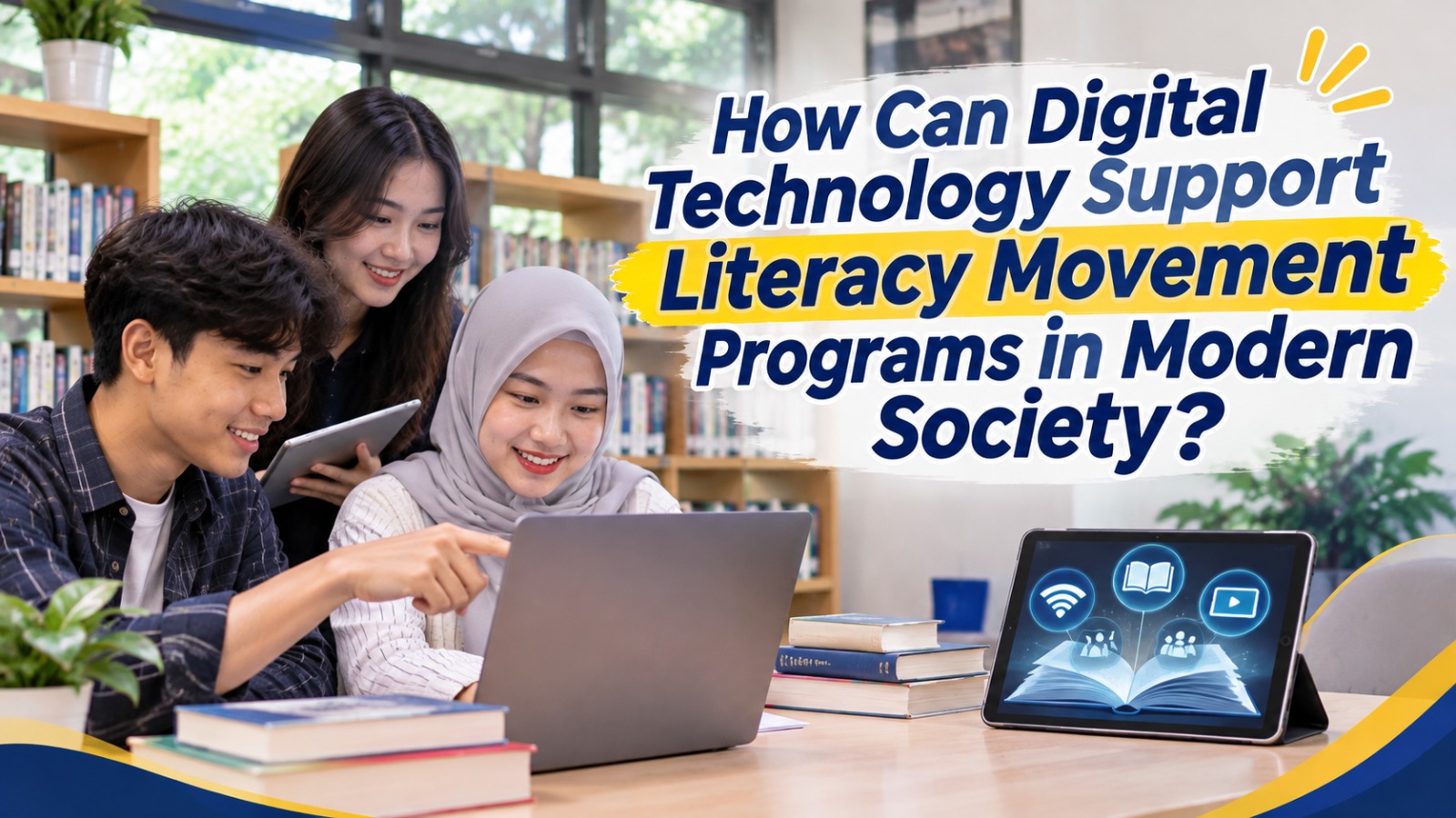
Digital technology has become an important part of modern society, changing the way people access information, communicate, and learn new things. The development of smartphones, computers, electronic books, and online learning platforms provides opportunities for individuals to improve their literacy skills more easily. These technological developments can also support literacy movement programs by making educational resources more accessible to people from different backgrounds and locations.
Literacy movements aim to develop reading, writing, comprehension, and information-processing skills within communities. However, traditional literacy activities sometimes face challenges, such as limited reading materials, inadequate educational facilities, and differences in access to information. By utilizing digital technology, literacy programs can reach wider audiences, introduce more interactive learning methods, and encourage people to develop reading habits. Therefore, technology can become an effective tool for strengthening literacy movements and improving the quality of education in modern society.
THE ROLE OF DIGITAL TECHNOLOGY IN MODERN LITERACY MOVEMENTS
Digital technology supports literacy movements by providing new ways to access, distribute, and understand educational information. People can now read books, explore educational articles, and participate in online learning activities through digital devices. These opportunities make literacy activities more flexible because individuals can access learning materials without always visiting physical libraries or educational institutions.
Furthermore, digital platforms allow literacy programs to reach communities across different geographical areas. Schools, libraries, and educational organizations can distribute learning materials through websites, applications, and social media platforms. This approach helps people discover educational resources that may not be available in their immediate surroundings.
Digital technology also encourages the development of different literacy skills. Besides traditional reading and writing, individuals can improve their digital literacy, media literacy, and information literacy. These abilities are increasingly important because modern society requires people to understand and evaluate information from various digital sources.
EXPANDING ACCESS TO DIGITAL READING MATERIALS
One of the biggest advantages of digital technology is its ability to expand access to reading materials. Through electronic books, online libraries, educational websites, and digital publications, people can explore a wide range of information using smartphones, tablets, or computers. This makes reading resources more accessible, especially for individuals who have difficulty obtaining printed books.
Digital reading platforms also provide different types of materials based on age, interests, and educational needs. Children can access illustrated stories, students can explore academic resources, and adults can read professional development materials. Having various options can increase reading interest because people can select content that matches their preferences.
In addition, digital libraries can help reduce limitations related to physical storage and book availability. Educational institutions can provide collections of electronic books and other learning materials that users can access remotely. However, digital access should be supported by sufficient internet connectivity, affordable devices, and guidance so that everyone has an opportunity to benefit from these resources.
MAKING LITERACY ACTIVITIES MORE INTERACTIVE AND INTERESTING
Digital technology can make literacy activities more engaging through interactive learning methods. Educational applications, digital storytelling, online quizzes, and multimedia materials allow users to participate actively instead of only reading printed information. These activities can help maintain learners' interest, particularly among children and young people who are familiar with digital devices.
For example, teachers can use digital storytelling applications to introduce reading materials through pictures, sounds, and animations. Students can also participate in online reading challenges, write digital stories, and discuss books through virtual classrooms. These activities combine reading, writing, creativity, and communication in a more interesting learning experience.
Furthermore, interactive technology allows educators to adjust learning activities according to students' abilities. Some platforms provide exercises and feedback that help learners understand their progress. With appropriate guidance, these features can encourage individuals to participate more actively in literacy programs and develop consistent learning habits.
SUPPORTING DIGITAL LITERACY AND INFORMATION EVALUATION
Digital literacy is an essential part of modern literacy movements because people receive information from numerous online sources every day. Although the internet provides extensive educational opportunities, not all available information is accurate, reliable, or suitable for learning purposes. Therefore, individuals must understand how to search for, evaluate, and use digital information responsibly.
Literacy programs can introduce practical activities that teach people how to identify credible websites, examine information sources, and distinguish facts from opinions. Participants can also learn how to recognize misleading headlines, manipulated images, and false information circulating on social media. These activities strengthen critical thinking skills and help individuals avoid spreading unverified content.
Moreover, digital literacy education should include responsible internet use and personal data protection. People need to understand the importance of creating secure passwords, protecting private information, and avoiding suspicious online links. By developing these abilities, literacy movements can prepare communities to participate more safely and confidently in the digital environment.
STRENGTHENING COMMUNITY PARTICIPATION THROUGH DIGITAL PLATFORMS
Digital platforms provide opportunities for communities to participate in literacy activities more actively. Social media, online discussion groups, educational websites, and messaging applications can be used to share reading recommendations, announce literacy events, and distribute educational materials. These platforms help organizations communicate with participants more quickly and efficiently.
For example, community libraries can create online reading groups where members discuss books and exchange ideas. Educational organizations can also organize virtual workshops, writing competitions, and online storytelling events. Such activities allow people to participate even when they cannot attend programs in person.
In addition, digital communication can strengthen cooperation between schools, families, libraries, local governments, and educational communities. Each organization can share resources, promote activities, and support literacy campaigns through online networks. This collaboration can increase public awareness and encourage more people to become involved in developing a strong reading culture.
CONCLUSION
Digital technology supports literacy movement programs by expanding access to educational materials, making learning activities more interactive, improving digital literacy, and strengthening community participation. These advantages allow individuals to develop reading habits and access knowledge through various digital platforms.
However, technology alone cannot guarantee the success of literacy movements. Communities also need adequate infrastructure, affordable digital devices, reliable internet access, and guidance on responsible technology use. Cooperation between educational institutions, families, communities, and government organizations is essential to ensure that digital literacy programs benefit everyone. With effective implementation, digital technology can become a valuable tool for building an educated, informed, and digitally capable society.
Recent Posts

Bagaimana Sistem SKS pada Program Kuliah... 22.11.2026/28 View

How Does Technology Make Daily Evaluation... 21.11.2026/65 View

Apa Strategi Menghadapi Kesenjangan antara Kompetensi... 21.11.2026/65 View

Mengapa Inventaris Aset Penting bagi Kelancaran... 21.11.2026/62 View

When Should Musicians Join a Record... 21.11.2026/63 View
