

How Can Educator Training Improve Vocational Curriculum Implementation Quality?
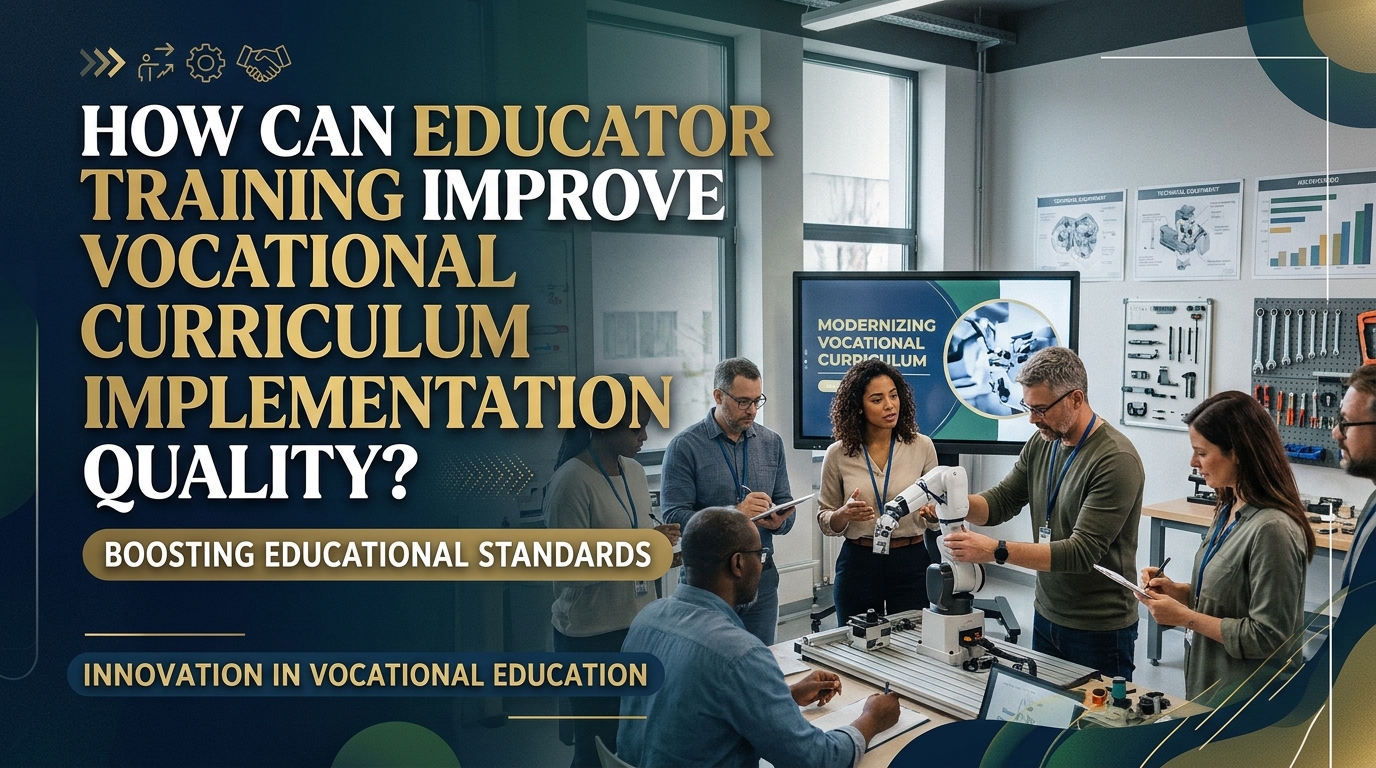
The effectiveness of any educational framework relies heavily on the competence and readiness of its teaching staff. High schools, technical colleges, and vocational academies must continually strengthen teacher skills to match evolving workplace demands. Investing in educator professional development guarantees that complex learning materials are taught accurately and effectively in classroom environments. When teachers master modern technologies and innovative teaching methods, students gain relevant practical expertise. However, neglecting continuous instructor updates often results in outdated classroom instruction and poor learning outcomes.
BRIDGING THE GAP BETWEEN THEORY AND PRACTICAL INSTRUCTION
Continuous teacher upskilling helps educators transform theoretical knowledge into hands-on practical learning for their students. Traditional vocational instruction frequently focuses on textbook concepts rather than modern workplace applications. Structured professional workshops ensure instructors gain firsthand experience with contemporary machinery, modern software, and current industrial processes.
Consequently, educators can design realistic classroom assignments that directly reflect actual professional working environments. When teachers understand current industry standards, they guide students toward acquiring market-relevant technical skills. Closing this pedagogical gap significantly raises the overall quality of technical and vocational education programs worldwide.
ADOPTING MODERN PEDAGOGICAL METHODS AND DIGITAL TOOLS
Effective teacher training equips instructors with modern teaching methodologies designed to increase student engagement. Traditional lecture-based models are often insufficient for teaching complex technical subjects and specialized operational procedures. Specialized pedagogical programs teach instructors how to implement project-based learning, interactive simulations, and digital collaboration tools effectively.
Furthermore, mastering modern learning management systems allows educators to monitor individual student progress efficiently and accurately. Teachers learn to adapt instruction to diverse learning speeds while delivering immediate constructive feedback during practical sessions. Integrating digital instructional tools creates a dynamic classroom atmosphere where students build technical confidence rapidly.
BUILDING SUSTAINABLE INDUSTRY MENTORSHIP AND COLLABORATION
Comprehensive training initiatives encourage active collaboration between vocational educators and private sector professionals. Participating in industry externship programs allows teachers to spend dedicated time working alongside experienced industry practitioners. This direct exposure ensures instructors remain updated on emerging technological trends and operational standards.
Additionally, corporate partnerships provide schools with valuable access to expert guest lecturers and updated instructional resources. Teachers can refine their lesson plans based on real-time feedback from leading corporate professionals. These collaborative efforts ensure that vocational study programs remain continuously aligned with real market demands.
MEASURING IMPACT AND ENSURING CONTINUOUS IMPROVEMENT
Evaluating the impact of instructor training requires regular performance assessments and student outcome tracking. Educational administrators should establish clear teaching quality metrics to evaluate how effectively new methodologies are implemented. Gathering feedback from students and industry partners helps identify specific teaching areas that require further development.
Moreover, continuous feedback loops enable institutions to update educator training modules regularly without administrative delays. Sponsoring professional certification exams for teachers further validates their technical proficiency and instructional mastery. Sustained investment in instructor evaluation guarantees long-term academic excellence and continuous institutional improvement.
CONCLUSION
Comprehensive teacher training serves as the cornerstone of successful vocational curriculum implementation and educational excellence. Empowering educators with modern pedagogical techniques, technical upskilling, and direct industry exposure dramatically elevates instruction quality. While establishing structured development programs requires sustained investment, the long-term benefits for students and employers are immense. Modernized teaching methods ensure graduates master relevant workplace skills and enter the workforce with complete confidence. Educational leaders must prioritize continuous instructor development to build a resilient, competitive, and future-ready vocational system.
Recent Posts

Bagaimana Sistem SKS pada Program Kuliah... 22.11.2026/54 View

How Does Technology Make Daily Evaluation... 21.11.2026/83 View

Apa Strategi Menghadapi Kesenjangan antara Kompetensi... 21.11.2026/82 View

Mengapa Inventaris Aset Penting bagi Kelancaran... 21.11.2026/78 View

When Should Musicians Join a Record... 21.11.2026/84 View
