

How Can Employees Balance Work And Rest During Business Travel?
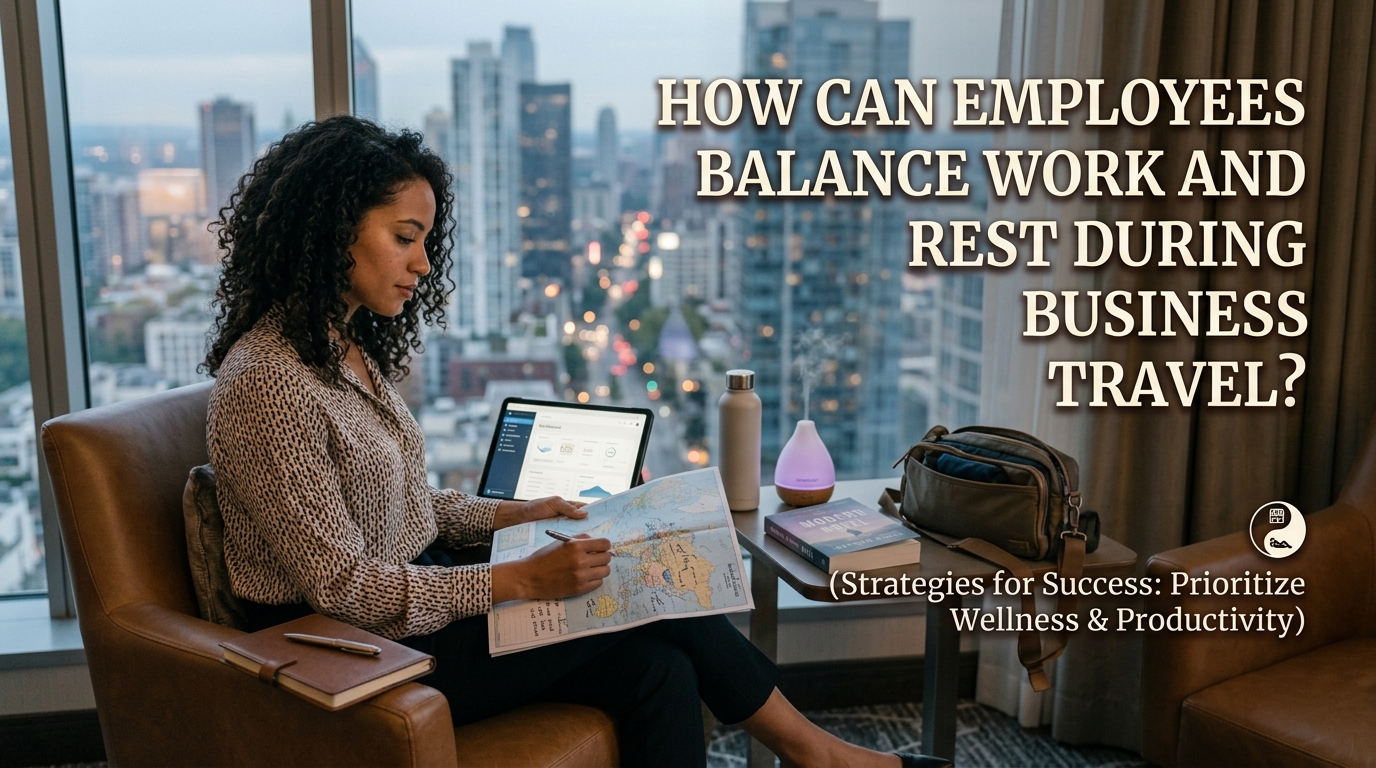
Business travel allows employees to attend meetings, meet clients, and develop professional relationships outside their usual workplace. However, traveling for work can be tiring because employees must manage professional responsibilities while adapting to unfamiliar places and changing schedules. Long journeys, tight deadlines, and limited sleep can affect concentration and work performance. Without enough rest, employees may feel exhausted and struggle to complete their tasks effectively. Balancing work and rest during business travel helps employees maintain productivity, protect their health, and achieve better results.
CREATE A REALISTIC TRAVEL SCHEDULE
A realistic travel schedule helps employees organize their work activities without making their days unnecessarily exhausting. Before departure, they should list important meetings, transportation times, deadlines, and other responsibilities. They should also include time for meals, short breaks, and sufficient sleep. A balanced schedule allows employees to complete essential tasks while protecting their personal well-being.
Employees should avoid arranging too many meetings close together because unexpected delays can disrupt the entire day. Leaving extra time between activities makes it easier to adjust when transportation or meeting schedules change. They can use digital calendars to organize appointments and receive reminders about important tasks. Planning work and rest together makes business travel more manageable and reduces unnecessary pressure.
PRIORITIZE IMPORTANT WORK TASKS
Employees may have limited time during business trips, so identifying the most important tasks is essential. They should focus first on activities that directly support the purpose of the trip, such as client meetings, negotiations, or company visits. Less urgent tasks can be scheduled for quieter periods or completed after returning to the office when appropriate. Prioritizing responsibilities helps employees use their energy and time more effectively.
Employees can also divide large assignments into smaller tasks that are easier to complete between meetings. A simple to-do list can help them track progress and avoid forgetting important responsibilities. However, they should not try to finish every task at once or continue working late every night. Working strategically is more effective than staying busy without clear priorities.
GET ENOUGH SLEEP
Sleep is essential for concentration, memory, decision-making, and overall health. Employees who sleep too little may feel tired, become less attentive, and find it harder to communicate effectively during meetings. Business travelers should aim for a regular sleep schedule and allow enough time to rest before important work activities. Sufficient sleep helps employees remain alert and perform their responsibilities more effectively.
Employees can improve their sleep by choosing comfortable accommodation, reducing unnecessary screen use before bedtime, and avoiding excessive caffeine late in the day. When crossing time zones, they may need time to adjust their sleeping habits to the local schedule. They should also avoid filling late evenings with nonessential work when an early meeting is planned for the next morning. Protecting sleep is an important part of maintaining productivity throughout a business trip.
TAKE REGULAR BREAKS DURING WORK
Taking breaks can help employees recover their attention and reduce physical discomfort during busy travel days. After long meetings or periods of working on a laptop, they can stand up, stretch, walk briefly, or find a quiet place to relax. Even a short break may help them feel more refreshed before starting the next activity. Regular breaks support concentration and help prevent unnecessary fatigue.
Employees should also use waiting periods wisely rather than treating every free moment as additional working time. For example, they can review a document during a suitable train journey, but they should rest when they feel tired. During long trips, moving around safely when possible can reduce discomfort caused by sitting for extended periods. The goal is to balance productive activity with enough recovery time.
MAINTAIN HEALTHY EATING AND DRINKING HABITS
Healthy eating and proper hydration help employees maintain their energy during business travel. Busy schedules may tempt them to skip meals or rely on convenient snacks, but irregular eating can leave them feeling tired or uncomfortable. Employees should try to eat balanced meals that include vegetables, fruit, protein, and other nutritious foods. Regular, balanced meals help support energy levels and concentration throughout the day.
Employees should also drink water regularly, especially during long journeys or when spending time in warm environments. Carrying a reusable water bottle can make hydration more convenient when suitable facilities are available. They should limit excessive caffeine and avoid relying on energy drinks to replace adequate sleep. Healthy daily habits make it easier to manage demanding work schedules without neglecting physical needs.
SET CLEAR BOUNDARIES BETWEEN WORK AND REST
Technology makes it possible to answer emails and attend online meetings almost anywhere, but constant availability can make it difficult to rest. Employees should establish reasonable working hours whenever their responsibilities allow it. They can inform coworkers about their availability and identify which matters require an immediate response. Clear boundaries help employees separate essential work from time needed for recovery.
Employees should avoid checking every notification during meals, personal breaks, or bedtime unless an urgent work situation requires attention. Managers can support this balance by setting realistic expectations and avoiding unnecessary after-hours communication. If work responsibilities regularly interfere with sleep, employees should discuss their workload or schedule with their supervisors. Healthy work boundaries support both employee well-being and long-term work performance.
USE TECHNOLOGY TO ORGANIZE WORK EFFICIENTLY
Digital tools can help employees manage business travel without wasting unnecessary time. Calendar applications, task management systems, and online document platforms allow them to organize appointments, monitor deadlines, and access work materials. Automated reminders can also reduce the need to remember every detail manually. Using technology effectively can save time and create more opportunities for rest.
However, employees should choose tools that match their needs instead of using too many applications at once. They should keep important information organized and protect confidential company data when working through public networks. Employees can also download essential documents in advance so they remain accessible when internet access is limited. Simple and secure digital systems make it easier to work efficiently while traveling.
ADJUST PLANS WHEN UNEXPECTED CHANGES OCCUR
Business travel rarely follows a perfect schedule every time. Traffic congestion, canceled transportation, extended meetings, and sudden requests can affect planned work and rest periods. Employees should remain flexible and decide which activities must be completed immediately and which can be rescheduled. Adjusting priorities helps employees manage unexpected changes without exhausting themselves unnecessarily.
When delays occur, employees should communicate with supervisors or meeting organizers as soon as practical. They should also protect essential rest time instead of automatically extending their working hours to compensate for every disruption. If a schedule becomes unrealistic, discussing alternative arrangements can help prevent mistakes and excessive fatigue. Flexibility and clear communication help maintain a healthier balance between work demands and personal needs.
CONCLUSION
Employees can balance work and rest during business travel by preparing realistic schedules, prioritizing important tasks, getting sufficient sleep, and taking regular breaks. Healthy eating, proper hydration, clear work boundaries, and useful technology can also support their well-being. When unexpected changes occur, employees should adjust their plans and communicate with the people involved. Successful business travel is not only about completing work but also about maintaining the energy and focus needed to perform well. By balancing professional responsibilities with adequate rest, employees can make their journeys more productive and comfortable.
Recent Posts

Bagaimana Sistem SKS pada Program Kuliah... 22.11.2026/57 View

How Does Technology Make Daily Evaluation... 21.11.2026/86 View

Apa Strategi Menghadapi Kesenjangan antara Kompetensi... 21.11.2026/84 View

Mengapa Inventaris Aset Penting bagi Kelancaran... 21.11.2026/82 View

When Should Musicians Join a Record... 21.11.2026/86 View
