

How Can Employees Choose The Right Transportation For Business Travel?
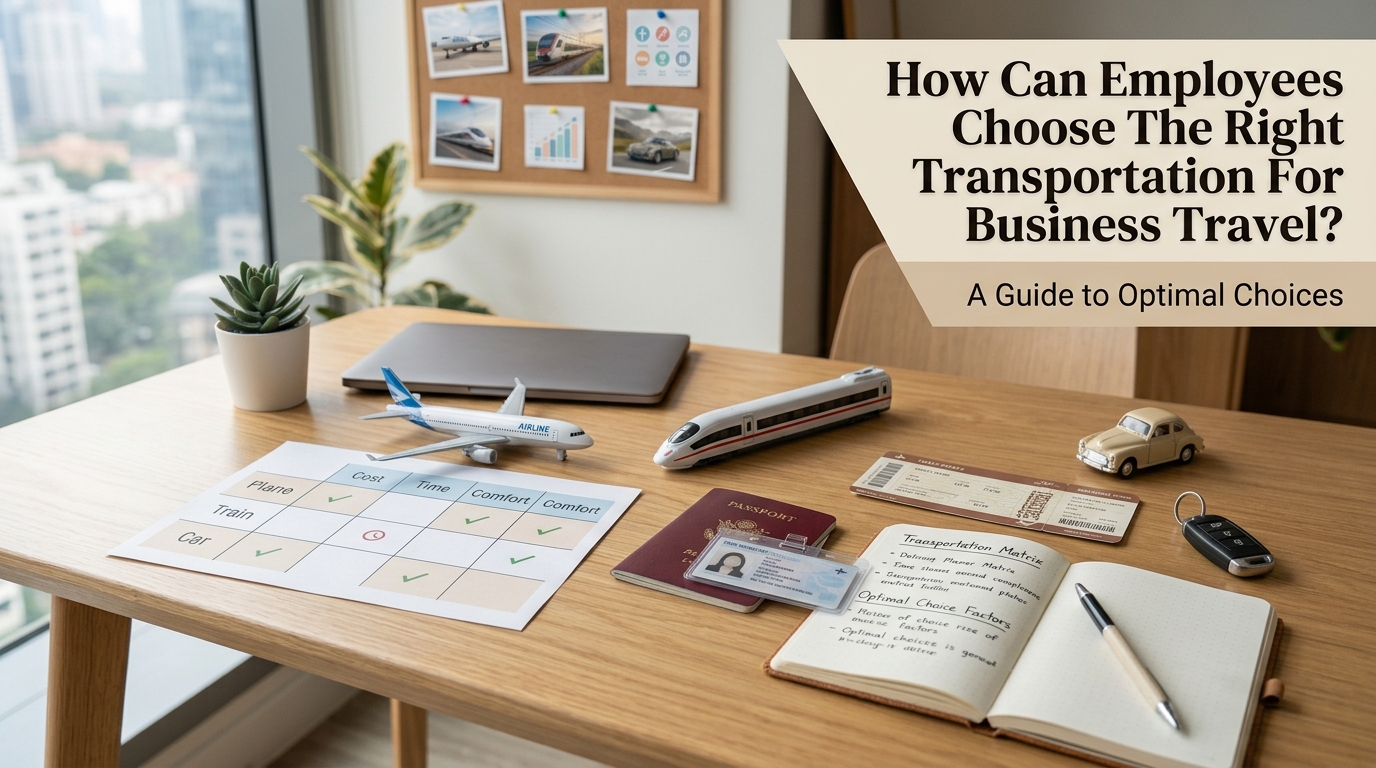
Choosing the right transportation for business travel is important to ensure that employees arrive at their destinations safely, comfortably, and on time. Business trips often involve meetings, client visits, company events, or other professional activities that require careful planning. The wrong transportation choice can cause delays, increase travel expenses, and affect work schedules. Therefore, employees should consider several factors before deciding how to travel. The best transportation option should balance cost, travel time, comfort, safety, and convenience to support the success of a business trip.
CONSIDER THE TRAVEL DISTANCE AND TIME
The first step in choosing transportation is to consider the distance between the starting point and the destination. For short distances within a city, employees may choose a taxi, online transportation service, bus, or train, depending on availability. For longer journeys between cities, trains, buses, private cars, or airplanes may be more suitable. Employees should also estimate how long each option will take, including possible traffic congestion, waiting periods, and transfers. Choosing transportation based on distance and travel time helps employees arrive according to their work schedules.
Employees should also consider the time of their meetings or appointments. If they must attend an important meeting early in the morning, they should select transportation that offers a reliable arrival time. For long-distance travel, leaving earlier can provide extra time to handle unexpected delays. Checking travel schedules before departure can also help employees avoid missed connections. Good time management reduces the risk of arriving late and helps business activities run smoothly.
COMPARE TRANSPORTATION COSTS
Transportation costs are another important factor when planning a business trip. Employees should compare ticket prices, fuel expenses, parking fees, toll charges, and additional transportation costs at their destination. Air travel may be faster for long distances, but it can be more expensive than traveling by train or bus. However, the cheapest option is not always the most efficient because longer travel times may affect productivity. Employees should consider the total cost of the journey rather than looking only at the initial ticket price.
Company travel policies may also determine which transportation options employees can use. Some companies set spending limits, require approval for certain bookings, or specify preferred transportation providers. Employees should understand these rules before making reservations to avoid unnecessary expenses. Keeping receipts and booking confirmations is also useful for expense reports and reimbursement requests. Choosing transportation within the company budget helps control expenses while maintaining travel efficiency.
PRIORITIZE SAFETY AND COMFORT
Safety should always be a priority when choosing transportation for business travel. Employees should use reliable transportation providers, check vehicle conditions when relevant, and choose services that follow applicable safety requirements. For public transportation, they should review official schedules and use authorized stations or stops. When traveling by car, drivers should be properly licensed, follow traffic regulations, and avoid driving when tired. Safe transportation helps protect employees and reduces the risk of disruptions during business trips.
Comfort is also important, especially when employees need to travel for several hours. A comfortable journey can help them arrive feeling more prepared for meetings and other responsibilities. Employees may consider seating, luggage space, accessibility, and opportunities to rest during the trip. For long journeys, they should also think about whether the transportation option allows them to take breaks when necessary. Balancing safety and comfort can improve the overall business travel experience.
CHECK THE AVAILABILITY AND CONVENIENCE
Before selecting transportation, employees should check whether the service is available at their departure time and destination. Some transportation options may have limited schedules, while others may require advance reservations. Employees traveling to unfamiliar locations should also consider how easily they can reach their hotels, offices, or meeting venues after arriving. Convenient transportation reduces unnecessary transfers and makes it easier to follow the planned itinerary.
Technology can make this process simpler and faster. Employees can use official transportation websites, booking applications, and navigation tools to compare schedules, check routes, and estimate travel times. They should also review cancellation policies and possible additional charges before confirming a booking. It is helpful to save digital tickets, addresses, and reservation details so they can access important information during the journey. Using reliable travel information helps employees make informed decisions and prepare for unexpected changes.
MATCH TRANSPORTATION WITH THE PURPOSE OF THE TRIP
The purpose of a business trip can influence which transportation option is most appropriate. Employees attending a short meeting in another city may prefer a train or airplane if it provides a suitable schedule. Those visiting several clients in different locations may benefit from using a rental car or arranging local transportation in advance. Employees carrying presentation equipment, samples, or other business materials should also consider luggage capacity and ease of transport. The transportation choice should support the activities planned during the trip.
Employees should also consider whether they need to work while traveling. For example, a train journey may provide an opportunity to review documents or prepare presentations, depending on the available facilities and travel conditions. However, employees should not assume that every transportation service offers reliable internet access or a suitable working environment. When choosing a vehicle for a group, they should consider the number of passengers and the amount of equipment being carried. Matching transportation to business needs can improve productivity and reduce practical difficulties.
PREPARE FOR POSSIBLE TRAVEL DISRUPTIONS
Even well-planned business trips can experience unexpected problems, such as traffic jams, severe weather, canceled services, or schedule changes. Employees should check travel updates before departure and allow extra time for important appointments. For long-distance journeys, they can identify alternative routes or other transportation services in case the original plan becomes unavailable. Having a backup plan helps employees respond calmly and minimize delays.
Employees should also know whom to contact if transportation problems affect their schedules. Depending on company procedures, they may need to inform their supervisor, travel coordinator, or meeting organizer about significant delays. They should keep essential contact details and booking information accessible throughout the journey. If a reservation needs to be changed, reviewing the provider's cancellation and rescheduling policies can help prevent additional costs. Preparation and clear communication make business travel more flexible and reliable.
CONCLUSION
Choosing the right transportation for business travel requires employees to evaluate several factors, including distance, time, cost, safety, comfort, availability, and the purpose of the trip. They should compare suitable options and follow company travel policies before making a reservation. Checking schedules, using reliable booking services, and preparing alternative plans can also prevent common travel problems. The most effective transportation choice is one that supports business objectives while keeping travel safe, practical, and cost efficient. With careful planning, employees can manage their journeys more effectively and focus on their professional responsibilities.
Recent Posts

Bagaimana Sistem SKS pada Program Kuliah... 22.11.2026/57 View

How Does Technology Make Daily Evaluation... 21.11.2026/86 View

Apa Strategi Menghadapi Kesenjangan antara Kompetensi... 21.11.2026/84 View

Mengapa Inventaris Aset Penting bagi Kelancaran... 21.11.2026/82 View

When Should Musicians Join a Record... 21.11.2026/86 View
