

How Can Employees Maintain Productivity During Business Trips?
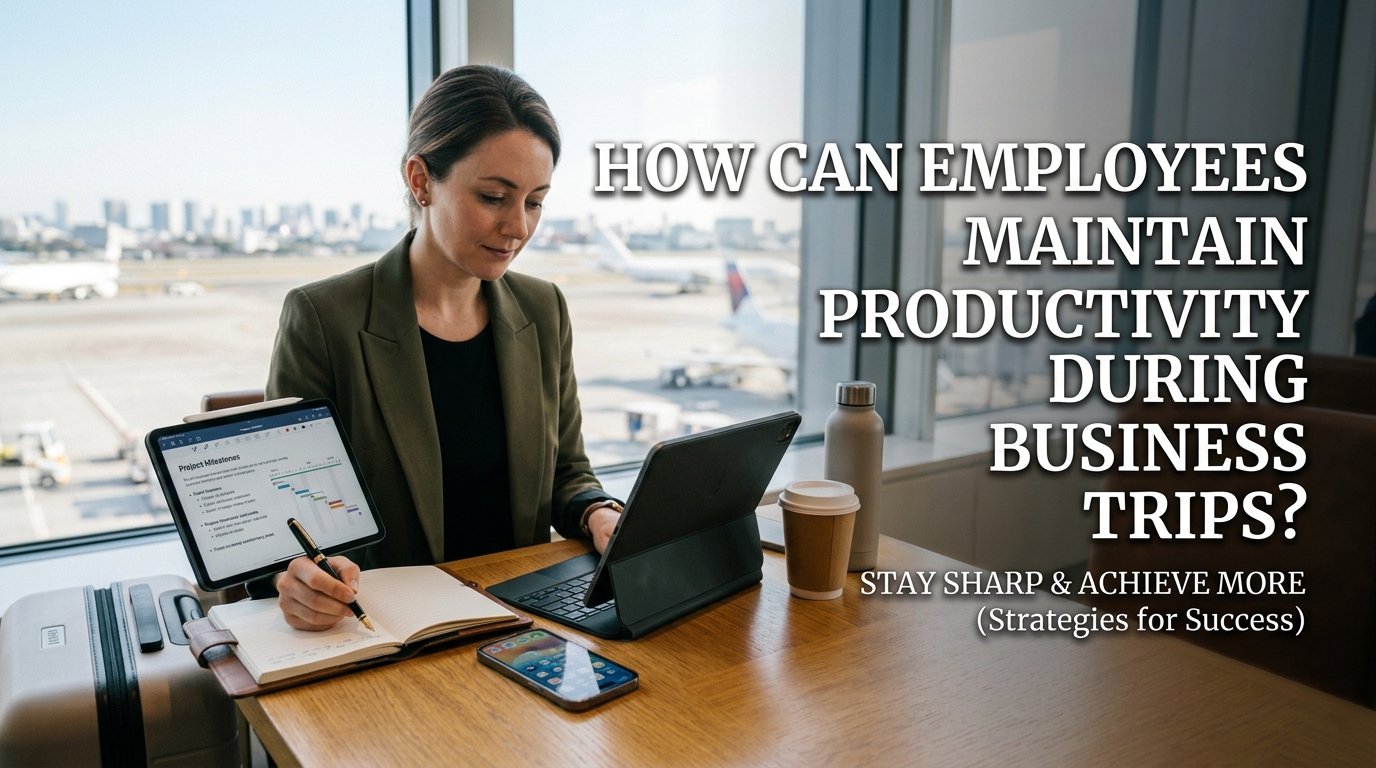
Business trips allow employees to meet clients, attend professional events, visit company branches, and develop new business opportunities. However, traveling to another city can make it difficult to maintain productivity because of changing schedules, long journeys, unfamiliar environments, and limited rest. Employees need to balance their professional responsibilities with their physical and mental well-being. With proper preparation and effective time management, they can complete important tasks without feeling overwhelmed. Maintaining productivity during business trips requires good planning, clear priorities, healthy habits, and effective communication.
PLAN ACTIVITIES BEFORE DEPARTURE
Preparing a clear plan before leaving helps employees use their time more effectively during a business trip. They should identify the main purpose of the journey, list important tasks, and confirm meeting schedules in advance. Transportation, accommodation, and travel documents should also be arranged early to reduce unnecessary problems. A well-organized travel plan helps employees focus on their responsibilities instead of handling avoidable issues.
Employees can use a digital calendar or a simple to-do list to organize their activities. Important meetings and urgent tasks should receive the highest priority, while less urgent work can be scheduled for available periods. They should also leave extra time for transportation delays and unexpected changes. Realistic planning makes it easier to complete essential tasks while keeping the schedule flexible.
MANAGE TIME EFFECTIVELY
Time management is essential when employees have several responsibilities to complete during a business trip. They should divide their working hours according to the importance and urgency of each task. For example, preparing for a client meeting may need to take priority over checking routine emails. Focusing on high-priority activities helps employees achieve meaningful results within a limited period.
Employees should avoid filling every hour with meetings or work assignments. Short breaks between activities can provide time to review notes, respond to urgent messages, and prepare for the next appointment. They can also use waiting periods productively when the environment is suitable and doing so does not interfere with rest or safety. Using time wisely is more effective than trying to stay busy throughout the entire trip.
USE TECHNOLOGY TO SUPPORT WORK
Technology helps employees stay connected and manage their responsibilities while traveling. Smartphones, laptops, and productivity applications allow them to access documents, check schedules, and communicate with coworkers. Cloud storage can make important files available from different locations, provided employees have the necessary access and a secure internet connection. Using appropriate digital tools helps employees continue their work even when they are away from the office.
Employees should prepare their devices before departure by charging batteries, updating essential applications, and saving important files for offline access when possible. They should also use secure networks and follow company rules when handling confidential information. Public Wi-Fi may not always be safe, so approved secure connections should be used for sensitive work. Reliable technology and good digital security practices help prevent interruptions and protect company information.
MAINTAIN HEALTHY HABITS
Physical health has a direct effect on concentration, energy, and work performance. Employees should get enough sleep, drink sufficient water, and eat balanced meals during their journeys. Long periods of sitting can also cause discomfort, so taking suitable breaks to stand, stretch, or walk can help them feel more comfortable. Healthy habits support concentration and help employees maintain their energy throughout a business trip.
Employees should avoid scheduling demanding activities immediately after a long journey whenever possible. Adjusting to a different time zone, experiencing travel delays, or losing sleep can make it harder to focus. Allowing enough time to rest before important meetings can improve readiness and decision-making. Rest is an important part of productivity, not a waste of valuable working time.
COMMUNICATE CLEARLY WITH COWORKERS AND CLIENTS
Clear communication helps employees coordinate their responsibilities while working away from the office. They should inform relevant coworkers about their travel schedules, availability, and important deadlines. When meetings change, notifying the people involved as soon as possible can prevent misunderstandings. Effective communication keeps work moving and ensures that everyone understands the current plans.
Employees should also agree on practical ways to stay in touch with their teams. Email, messaging applications, and online meetings can help them discuss urgent matters without requiring unnecessary travel or additional appointments. However, they should set reasonable response times and focus on important messages instead of checking notifications constantly. Good communication balances teamwork with the need for focused work.
ORGANIZE DOCUMENTS AND WORK MATERIALS
Having the right documents and materials ready can save time during a business trip. Employees should prepare presentations, meeting notes, contracts, travel confirmations, and other relevant files before departure. Organizing these materials into clearly named digital folders or a suitable physical file can make them easier to find. Keeping work materials organized reduces delays and helps employees prepare confidently for professional activities.
Employees should also check that their documents are accurate and accessible before important meetings. Saving backup copies of essential files can help prevent problems if a device is lost or a file becomes unavailable. Confidential documents should be stored and shared according to company security policies. Good document management supports efficient work and reduces the risk of losing important information.
REVIEW PROGRESS AND ADJUST PLANS
Reviewing daily progress helps employees understand whether their business trip is meeting its objectives. At the end of each day, they can check completed tasks, record important meeting outcomes, and identify responsibilities that still need attention. This review also helps them prepare for the next day's activities. Regular progress checks make it easier to stay organized and recognize unfinished work early.
If priorities change, employees should adjust their schedules instead of trying to follow an unrealistic plan. They may need to move less urgent tasks, arrange follow-up meetings, or request support from coworkers. After the trip, reviewing the results can help them identify what worked well and what could be improved for future journeys. Learning from each business trip helps employees develop better work habits and improve future productivity.
CONCLUSION
Employees can maintain productivity during business trips by planning ahead, managing time, using technology wisely, maintaining healthy habits, and communicating clearly. Organizing work materials and reviewing progress also helps them stay focused on important responsibilities. At the same time, employees should allow enough time for rest and remain flexible when unexpected changes occur. The key to productive business travel is balancing professional goals with effective planning and personal well-being. By applying these practices, employees can make better use of their time and achieve more successful business trip outcomes.
Recent Posts

Bagaimana Sistem SKS pada Program Kuliah... 22.11.2026/57 View

How Does Technology Make Daily Evaluation... 21.11.2026/86 View

Apa Strategi Menghadapi Kesenjangan antara Kompetensi... 21.11.2026/84 View

Mengapa Inventaris Aset Penting bagi Kelancaran... 21.11.2026/82 View

When Should Musicians Join a Record... 21.11.2026/86 View
