

How Can Employees Maintain Their Health During Business Trips?
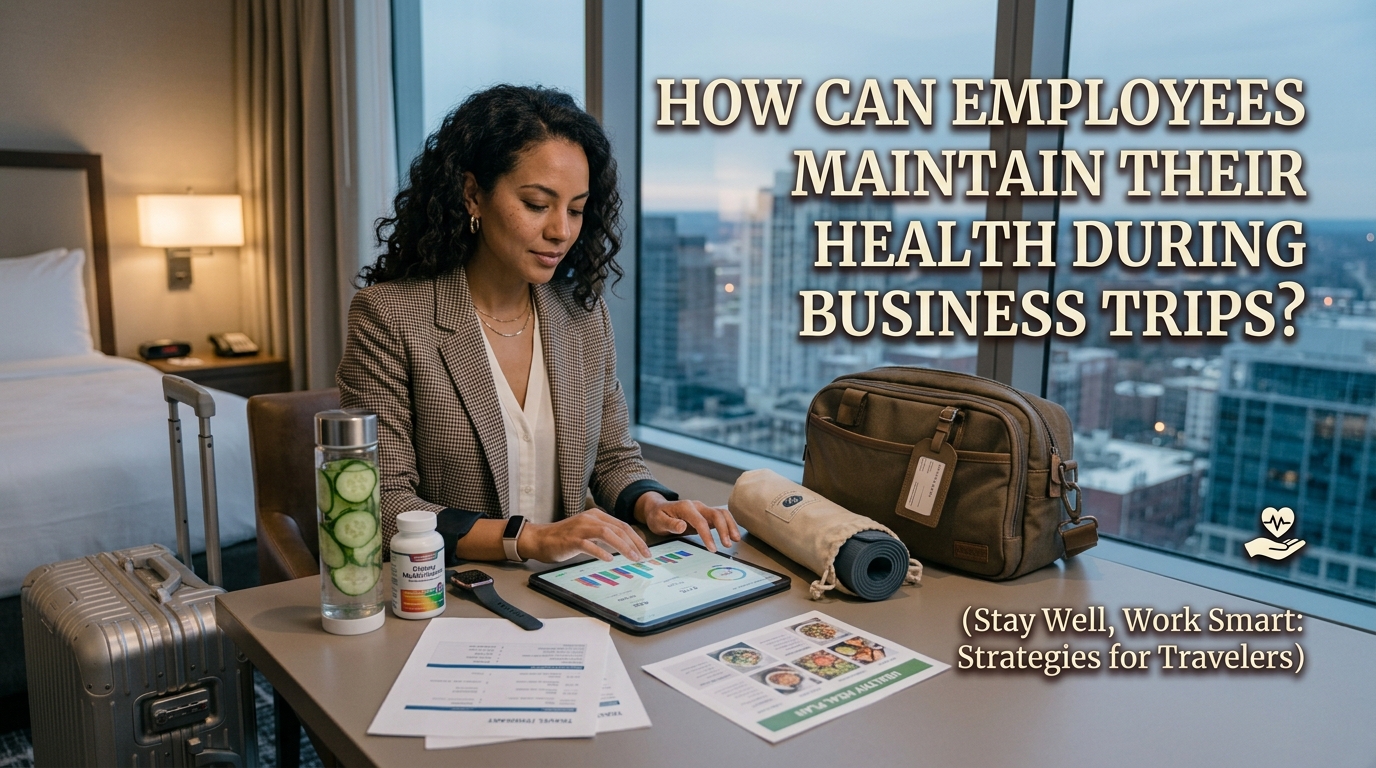
Business trips allow employees to attend meetings, visit clients, and develop professional relationships in different locations. However, frequent travel can affect physical and mental health because of long journeys, irregular meals, limited sleep, and busy schedules. Employees may feel tired or stressed when they have to manage work responsibilities while adapting to unfamiliar environments. Without proper preparation, these challenges can reduce concentration and affect work performance. Maintaining good health during business trips helps employees stay energetic, focused, and ready to complete their professional responsibilities.
GET ENOUGH SLEEP AND REST
Getting enough sleep is essential for maintaining health during business trips. Employees who do not sleep well may experience fatigue, reduced concentration, and difficulty making decisions. They should plan their schedules to allow sufficient time for sleep, especially before important meetings or long journeys. Adequate rest helps the body recover and supports better performance throughout the trip.
Employees can improve their sleep by choosing comfortable accommodation and following a consistent bedtime when possible. They should avoid unnecessary late-night work and limit caffeine close to bedtime. When traveling across different time zones, adjusting sleep and wake times gradually may help the body adapt. Prioritizing sleep can reduce travel fatigue and make demanding workdays easier to manage.
EAT BALANCED AND REGULAR MEALS
Healthy eating habits help employees maintain energy during business travel. Busy schedules can make it tempting to skip meals or choose convenient foods with limited nutritional value. Employees should try to eat balanced meals that include vegetables, fruit, protein, whole grains, and other nutritious foods. Regular, balanced meals support energy levels and help employees stay focused on their work.
Planning meals ahead can make healthy choices easier, particularly when meetings leave little free time. Employees can carry suitable snacks, such as nuts or fruit, when appropriate and permitted. They should also consider food safety when eating in unfamiliar places and choose establishments that follow good hygiene practices. Making thoughtful food choices helps employees maintain their well-being while traveling.
DRINK ENOUGH WATER
Staying hydrated is important during business trips, especially when employees spend long hours traveling or working in warm environments. Not drinking enough water may contribute to thirst, headaches, and tiredness. Employees should drink water regularly throughout the day instead of waiting until they feel very thirsty. Proper hydration supports normal body functions and helps employees feel comfortable during their journeys.
Carrying a reusable water bottle can make drinking water more convenient when safe refill facilities are available. Employees should also remember to drink water during flights, train journeys, and breaks between meetings. They may need more fluids in hot weather or during physical activity. Making hydration part of the daily travel routine helps prevent avoidable discomfort.
STAY PHYSICALLY ACTIVE
Long periods of sitting in cars, trains, or airplanes can cause stiffness and discomfort. Employees can support their physical health by walking when practical, stretching gently, and taking movement breaks during long journeys. They may also use hotel fitness facilities or take a short walk before or after work activities. Regular movement helps reduce the discomfort associated with sitting for extended periods.
Physical activity does not need to involve a demanding workout to be useful. Employees can choose simple activities that fit their schedules and physical abilities. They should follow safety instructions during travel and avoid exercise that leaves them too tired for important work. Small amounts of regular movement can help employees feel more comfortable and maintain an active routine.
MANAGE STRESS AND WORKLOAD
Business trips can create stress because of tight deadlines, transportation delays, unfamiliar locations, and demanding meetings. Employees should organize their tasks according to priority and avoid scheduling more activities than they can reasonably complete. Allowing extra time between appointments can also reduce pressure when plans change. Effective planning helps employees manage work demands without creating unnecessary stress.
Employees can use simple relaxation techniques, such as slow breathing, listening to calming music, or taking a short break in a quiet place. Staying in contact with family or friends may also help them feel connected while away from home. If stress becomes difficult to manage, they should consider discussing their workload with a supervisor or seeking appropriate support. Taking care of mental well-being is just as important as maintaining physical health during business travel.
MAINTAIN GOOD PERSONAL HYGIENE
Personal hygiene is especially important when employees travel through airports, stations, hotels, and other shared environments. Washing hands regularly with soap and water can help reduce the spread of germs. If soap and water are unavailable, an appropriate hand sanitizer can be a useful alternative. Good hygiene practices help protect employees and support a healthier travel experience.
Employees should also keep personal items clean and avoid sharing items that may spread germs, such as drinking bottles or towels. They should follow food safety practices and choose clean places to eat. When staying in accommodation, keeping personal belongings organized and maintaining basic cleanliness can improve comfort. Simple hygiene habits can reduce avoidable health risks during a business trip.
PREPARE MEDICINES AND HEALTH ESSENTIALS
Preparing essential health items before departure can help employees manage minor problems during travel. Depending on their needs, they may bring personal medications, basic first-aid supplies, tissues, hand sanitizer, and other useful items. They should check that medications are properly labeled and stored according to the instructions provided. Preparing health essentials in advance can make it easier to respond to common travel needs.
Employees who use prescription medication should bring an adequate supply for the trip and follow their prescribed instructions. For international travel, they should check the destination's rules for carrying medication and keep required documentation when necessary. If they develop severe or concerning symptoms during a trip, they should seek appropriate medical care rather than ignoring the problem. Being prepared helps employees manage health needs more responsibly while away from home.
PLAN A HEALTHY TRAVEL SCHEDULE
A healthy travel schedule balances work commitments with enough time for meals, sleep, and recovery. Employees should avoid arranging consecutive activities without breaks, particularly after long journeys. Choosing transportation and accommodation that fit their schedules can also reduce unnecessary fatigue. A realistic itinerary helps employees protect their health while meeting professional responsibilities.
Employees should review their plans before departure and adjust them when unexpected changes occur. If delays reduce their available rest time, they may need to reschedule less urgent activities when possible. They should also avoid sacrificing sleep repeatedly to complete tasks that can be handled later. Flexible planning makes it easier to maintain healthy routines throughout the business trip.
CONCLUSION
Employees can maintain their health during business trips by getting enough sleep, eating balanced meals, drinking water, staying active, and managing stress. Good personal hygiene, preparation of essential health items, and realistic travel schedules are also important. Employees should pay attention to their physical and mental condition and seek appropriate help when necessary. Healthy travel habits support employee well-being, improve concentration, and make business trips more productive. With careful preparation and consistent routines, employees can manage their responsibilities while taking care of themselves.
Recent Posts

Bagaimana Sistem SKS pada Program Kuliah... 22.11.2026/57 View

How Does Technology Make Daily Evaluation... 21.11.2026/86 View

Apa Strategi Menghadapi Kesenjangan antara Kompetensi... 21.11.2026/84 View

Mengapa Inventaris Aset Penting bagi Kelancaran... 21.11.2026/82 View

When Should Musicians Join a Record... 21.11.2026/86 View
