

How Can Employees Manage Business Travel Expenses Effectively?
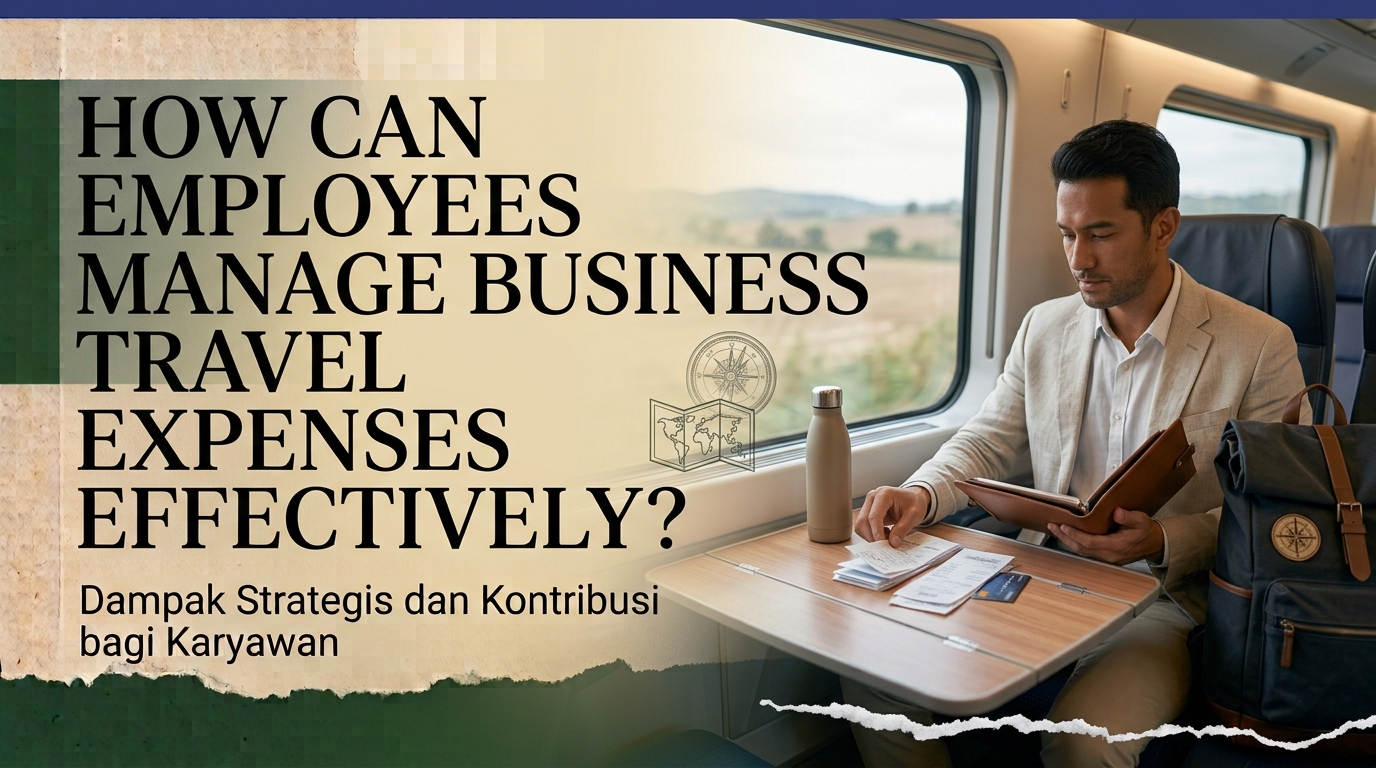
Managing business travel expenses effectively is important for employees and companies that want to control costs while maintaining productivity. Business trips often involve transportation, accommodation, meals, and other work-related expenses. Without proper planning, these costs can exceed the allocated budget and create difficulties during financial reporting. Employees should understand company policies, plan their spending, and keep accurate records throughout the journey. Effective expense management helps employees use company funds responsibly, avoid unnecessary costs, and maintain financial transparency.
CREATE A REALISTIC TRAVEL BUDGET
The first step in managing business travel expenses is creating a realistic budget before departure. Employees should estimate the costs of transportation, accommodation, meals, local travel, and other necessary business activities. They should also review the company's spending limits and confirm which expenses are eligible for reimbursement. A clear budget helps employees understand how much money they can use for each part of the trip. Setting a budget in advance reduces overspending and supports better financial planning.
Employees should compare their estimated expenses with the funds approved by their company. If the expected costs are higher than the available budget, they should discuss possible adjustments with their supervisor before making reservations. It is also helpful to set aside an appropriate amount for unexpected but necessary expenses when company policy allows it. However, this reserve should not become an excuse for unnecessary purchases. A practical budget balances cost control, employee needs, and the purpose of the business trip.
BOOK TRANSPORTATION AND ACCOMMODATION EARLY
Booking transportation and accommodation early can help employees control business travel costs. They should compare available options based on price, schedule, location, and reliability. For example, train tickets or flights may cost less when purchased in advance, although prices and availability can change. Employees should choose options that fit the business schedule and comply with company travel policies. Early planning can provide more choices and reduce the risk of expensive last-minute bookings.
Accommodation should also be selected carefully. Employees can compare approved hotels based on room rates, location, safety, and access to meeting venues. A cheaper hotel may not always be the most economical choice if it requires expensive transportation or long daily journeys. Before confirming a reservation, employees should check the total cost, cancellation terms, and any additional fees. Considering the full travel cost helps employees make more economical decisions.
FOLLOW COMPANY EXPENSE POLICIES
Every employee should understand the company's rules for business travel expenses. These policies may specify spending limits for hotels, meals, transportation, and other approved costs. They may also explain which purchases require advance approval and what documents must be submitted for reimbursement. Employees should read these rules before departure rather than waiting until they need to submit a claim. Following company policies helps prevent rejected claims, misunderstandings, and unauthorized spending.
If an expense is unclear, employees should ask their supervisor or finance department for guidance. They should not assume that every purchase made during a business trip will be reimbursed. Personal shopping, entertainment, and other unrelated expenses should be kept separate from official travel costs. Employees must also provide honest information when reporting their spending. Clear policy compliance supports fairness, accountability, and responsible use of company funds.
KEEP ALL RECEIPTS AND EXPENSE RECORDS
Keeping accurate records is essential for effective business travel expense management. Employees should save receipts, invoices, booking confirmations, and other documents that support their spending. These records provide evidence of the amount paid, the date of the transaction, and the type of expense. Employees should organize the documents throughout the trip instead of collecting them at the last minute. Complete documentation makes expense reporting easier and more reliable.
Digital copies can provide an additional layer of protection if paper receipts are lost or damaged. Employees may use an approved expense application or a secure company folder to store the information. Each expense should be recorded clearly and assigned to the correct category. They should also check that the recorded amounts match the receipts and payment records. Organized expense records reduce errors and help the finance team verify reimbursement claims efficiently.
USE DIGITAL TOOLS TO TRACK SPENDING
Digital tools can simplify the process of recording and reviewing business travel expenses. Spreadsheet applications and approved expense management systems allow employees to record costs, categorize purchases, and compare spending with the budget. Some systems can also store receipt images and generate expense reports automatically. These features reduce manual work and make financial information easier to review. Using suitable digital tools improves accuracy and saves time during expense management.
Employees should update their records regularly rather than waiting until the trip is over. Reviewing spending each day helps them identify unexpected costs and adjust their remaining budget. However, they should use secure, company-approved systems when handling financial documents or confidential business information. Access permissions and device security should also be considered. Regular tracking provides better control over spending while protecting sensitive information.
CONTROL DAILY MEALS AND LOCAL TRANSPORTATION COSTS
Meals and local transportation may seem inexpensive individually, but their combined cost can become significant during a multi-day trip. Employees should understand the company's meal allowance and choose reasonable options that meet their needs. They can compare restaurant prices, use approved meal arrangements, or select convenient food options within the budget. Employees should also check whether meals are already included in a hotel booking or business event. Planning daily expenses helps prevent small purchases from gradually exceeding the budget.
For local transportation, employees should compare suitable options such as public transport, approved ride-hailing services, taxis, or company vehicles. The best choice depends on the distance, schedule, safety, and total cost. When several employees travel to the same destination, sharing transportation may reduce expenses if it is practical and permitted. Employees should keep the necessary receipts and follow the company's rules for local travel. Choosing transportation and meals carefully helps reduce costs without compromising safety or punctuality.
SEPARATE BUSINESS EXPENSES FROM PERSONAL SPENDING
Employees should clearly distinguish official travel costs from personal purchases. Mixing the two can make expense reports confusing and create problems during reimbursement. A dedicated payment method for business expenses, when provided by the company, can make transactions easier to track. If employees use personal funds for approved expenses, they should record those payments separately and retain the supporting receipts. Separating personal and business spending improves financial accuracy and accountability.
Employees should also avoid using company funds for purchases unrelated to their work responsibilities. If a transaction contains both business and personal items, they should identify the eligible business portion clearly and follow company procedures. Any uncertainty about a payment should be discussed with the finance team before the report is submitted. Honest reporting protects both the employee and the company. Clear separation of expenses helps maintain trust and prevents reimbursement disputes.
REPORT UNEXPECTED EXPENSES PROMPTLY
Unexpected expenses may occur because of transportation delays, reservation changes, urgent work requirements, or other unforeseen circumstances. Employees should assess whether the expense is necessary and follow the company's approval procedures whenever required. They should notify their supervisor if the cost could significantly affect the approved budget. Supporting documents and a clear explanation should be retained for the expense report. Prompt communication helps the company manage unexpected costs and make informed decisions.
Employees should not hide additional costs or assume that every unexpected expense will automatically be reimbursed. They should explain why the expense occurred and how it relates to the business trip. If a planned service is canceled or a booking is changed, employees should also check whether a refund or credit is available. Keeping records of these adjustments helps prevent inaccurate reporting. Transparent handling of unexpected expenses supports responsible financial management.
SUBMIT ACCURATE EXPENSE REPORTS ON TIME
After returning from a business trip, employees should prepare and submit their expense reports according to company deadlines. The report should include all eligible expenses, the correct categories, and the required supporting documents. Before submission, employees should check the totals, dates, receipts, and explanations for unusual transactions. Missing information or calculation errors may delay reimbursement and increase the finance team's workload. Accurate and timely reporting helps ensure a smoother reimbursement process.
Employees should also respond promptly if the finance department requests clarification or additional documentation. They should correct any errors using the company's approved process rather than changing records without explanation. Reviewing the completed report can help employees understand where their money was spent and whether the original budget was realistic. This information can be useful when planning future business trips. A careful review improves financial transparency and supports better travel planning over time.
EVALUATE EXPENSES AFTER THE BUSINESS TRIP
Expense management should continue after the report has been submitted. Employees and managers can compare actual spending with the original budget to identify major differences. They can examine whether transportation, accommodation, meals, and other costs were reasonable for the trip's purpose. This review may reveal opportunities to choose better booking options or improve planning. Evaluating actual expenses helps companies make more informed decisions about future travel budgets.
Companies should also consider whether the trip achieved its business objectives. A low-cost trip is not necessarily successful if important meetings are missed or necessary work cannot be completed. Similarly, higher expenses may be reasonable when they support essential business activities and comply with company policies. Employees should provide feedback about problems and useful cost-saving methods. The goal is to control unnecessary spending while ensuring that business travel delivers meaningful results.
CONCLUSION
Employees can manage business travel expenses effectively by creating a realistic budget, booking transportation early, following company policies, keeping receipts, and tracking spending regularly. They should also separate personal purchases from business costs, report unexpected expenses honestly, and submit accurate reports on time. Digital tools can simplify recordkeeping, while regular reviews help identify opportunities to reduce future costs. Most importantly, employees should balance cost savings with safety, comfort, and the objectives of the trip. Responsible expense management protects company resources and makes business travel more transparent, efficient, and cost-effective.
Recent Posts

Bagaimana Sistem SKS pada Program Kuliah... 22.11.2026/56 View

How Does Technology Make Daily Evaluation... 21.11.2026/86 View

Apa Strategi Menghadapi Kesenjangan antara Kompetensi... 21.11.2026/84 View

Mengapa Inventaris Aset Penting bagi Kelancaran... 21.11.2026/82 View

When Should Musicians Join a Record... 21.11.2026/86 View
